
How to Get Rid of Bloating and Trapped Wind: Causesand Fast Relief
By Anjela Jeganathan – Medical Herbalist | Herba Naturalle
Bloating and trapped wind are among the most common digestive complaints reported in clinical practice — affecting an estimated 15–30% of the UK population at any given time. The symptom is familiar: a sensation of fullness, tightness, pressure, or swelling in the abdomen, often accompanied by visible distension, rumbling, excessive gas, and discomfort. Despite being extremely common, bloating is frequently undertreated and poorly understood.
For a comprehensive clinical guide to bloating, constipation, and digestive relief, see our full post on bloating, trapped wind and constipation — causes, relief and foods that help.
What Causes Bloating?
Bloating has several distinct mechanisms — understanding which is driving symptoms points to the most effective solution.
Excess Gas Production
Gas in the gut is produced by bacterial fermentation of undigested carbohydrates — particularly fermentable fibres (FODMAPs), lactose, fructose, and certain starches. In those with gut dysbiosis (imbalanced gut bacteria), gas production is often significantly elevated.
Intestinal Smooth Muscle Dysfunction
The intestine moves gas along through regular peristaltic contractions. When this smooth muscle is dysfunctional — as in IBS — gas is not propelled forward effectively and becomes trapped, causing pain and distension. The detailed explanation of the gut’s anatomy and function is in our educational post on your digestive system explained.
Visceral Hypersensitivity
In IBS, the nerves lining the gut become hypersensitive — perceiving normal gas volumes as painful pressure. This is why people with IBS often experience severe bloating with relatively small amounts of gas. The IBS picture is explored in detail in our post on IBS, IBD and bowel conditions.
Swallowing Air (Aerophagia)
Eating too quickly, drinking carbonated drinks, chewing gum, and anxiety-related over-breathing all increase swallowed air, contributing to upper abdominal gas.
Constipation
Slow bowel transit allows gas to accumulate. Our guide to constipation addresses this related pattern.
Causes of Excessive Gas in Females
Women experience bloating more frequently than men due to hormonal influences — oestrogen and progesterone both affect gastrointestinal motility and visceral sensitivity. Bloating is commonly worse in the premenstrual phase and during perimenopause.
How to Get Rid of Bloating Instantly or Quickly
Movement
Walking — even a short 10-minute walk — is one of the most effective immediate interventions for trapped wind and bloating. Upright movement stimulates peristalsis and helps move gas through the intestine.
Positions That Help Trapped Wind
- Lying on the left side (encourages gas to move from the ascending to the transverse colon)
- Knees-to-chest position
- Gentle abdominal massage in a clockwise direction (following the direction of intestinal flow)
- Child’s pose (yoga)
How to Remove Gas from Stomach Instantly
There is no single “instant” solution, but the combination of movement, the left-side position, and abdominal massage most reliably produces rapid gas relief in most people.
Herbal Remedies That Relieve Bloating Fast
- Peppermint tea or enteric-coated peppermint oil capsules — menthol relaxes intestinal smooth muscle, allowing trapped gas to pass
- Chamomile tea — antispasmodic and carminative, particularly for gas with nervous system or anxiety component
- Fennel seeds — chewed or as a tea, traditional post-meal carminative with a strong evidence base
- Ginger tea — stimulates digestive motility and accelerates gastric emptying
- Activated charcoal — short-term use can reduce intestinal gas volume, though long-term use is not recommended
Foods That Make Bloating Worse
- Beans and lentils (high FODMAP fermentable fibres)
- Onions, garlic, leeks (high fructo-oligosaccharides)
- Cruciferous vegetables in large quantities (broccoli, Brussels sprouts, cabbage)
- Carbonated drinks
- Chewing gum (causes aerophagia)
- Dairy in those with lactose intolerance
- Wheat and gluten in those with non-coeliac gluten sensitivity
When Bloating Is Not Just Bloating
Persistent bloating — particularly when associated with unexplained weight loss, blood in stool, difficulty swallowing, or progressive worsening — requires medical investigation to exclude serious pathology. Our post on IBS, IBD and bowel cancer symptoms covers the red flag symptoms that require urgent GP assessment.
This article is for educational purposes only. Persistent bloating should be investigated by your GP.
Our Trending Products & Bundles
-
 Digestive reset bundle
Original price was: £151.65.£144.95Current price is: £144.95.
Digestive reset bundle
Original price was: £151.65.£144.95Current price is: £144.95.
-
 Smooth muscle and immune reset Bundle
Original price was: £177.60.£159.95Current price is: £159.95.
Smooth muscle and immune reset Bundle
Original price was: £177.60.£159.95Current price is: £159.95.
-
 Nervous System Reset
Original price was: £163.68.£149.95Current price is: £149.95.
Nervous System Reset
Original price was: £163.68.£149.95Current price is: £149.95.
-
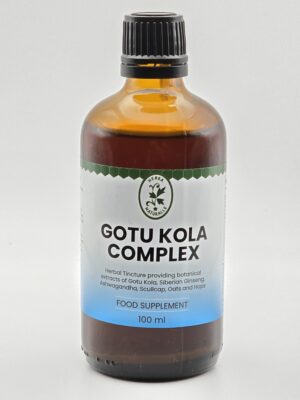 Gotu Kola Complex
£26.95
Gotu Kola Complex
£26.95


About the Author

Holistic Herbalist in UK · 30 Years of Excellence at Croydon, GB
Angela Jegnathan brings over 30 years of experience in integrated medicine and more than 25 years of full-time clinical herbal practice. Specializing in holistic herbal medicine, she focuses on restoring digestive health, calming the nervous system, and supporting the body's natural inflammatory response through evidence-based, patient-centered care.
Expertise: Holistic Herbs, Natural Medicines, Herbal Health
30 years of experience
