Elderberry Tincture: Benefits, Dosage and How to Take It
Elderberry has quietly become one of the most recognisable immune herbs on the market, largely thanks to its deep purple syrup appearing on pharmacy shelves every autumn, yet surprisingly few people understand why the berry specifically, rather than the flower from the same plant, is the part reached for when a cold is already circulating. A tincture concentrates the berry’s compounds into a more potent, longer lasting form than syrup, without the added sugar, and it is worth understanding how it fits into a sensible seasonal routine rather than being bought in a last minute panic once everyone around you already has a cough. Used thoughtfully, with proper timing rather than as an afterthought, elderberry can genuinely earn the reputation it has built, rather than simply riding on seasonal marketing alone.
Berry or Flower: A Distinction Worth Understanding
The elder tree, Sambucus nigra, produces two distinct traditional remedies from two different parts of the same plant. Our article on elder flower covers the blossom, traditionally used for its diaphoretic, catarrh clearing action, useful once a cold has already taken hold and congestion needs moving. The berry works differently, with a traditional and increasingly researched reputation for direct immune support, particularly against viral infections, which is why elderberry tincture and elderflower preparations, despite coming from the same plant, are reached for at genuinely different moments and for different purposes.
Why Elderberry Has Earned Its Reputation
Elderberries are rich in anthocyanins, the same deep purple pigments found in blueberries and blackcurrants, which have attracted considerable research interest for their antioxidant and immune modulating properties. Several studies have looked specifically at how elderberry extracts interact with common cold and influenza viruses, and while the research is still developing and not all of it is equally rigorous, the pattern of results has been consistent enough that elderberry has moved from folk remedy to one of the most widely discussed immune herbs in modern phytotherapy. What is worth remembering is that this research typically uses properly prepared, standardised extracts, which is another reason the quality of a tincture matters more than the name on the front of the bottle.
Typical Dosage and How to Take It
Dosage varies by product concentration, so always check the specific label rather than assuming a universal standard. As a general guide, elderberry tincture is commonly taken at two to four millilitres, up to three or four times daily during an acute cold, reducing to a smaller, once or twice daily maintenance dose during the wider cold and flu season as a preventive measure. The taste is pleasantly fruity and tart, making it one of the easier tinctures to take neat or diluted in a small amount of warm water, which is part of why it has become such a popular introduction to herbal tinctures for people new to the format.
Immune Support Through the Season
Our shopping guide to the best herbal supplements for seasonal immunity places elderberry within a wider seasonal toolkit rather than treating it as a single solution, and our article on andrographis, the herbalist’s go to for cold and flu season discusses a complementary herb often used alongside it once symptoms have already started. For a more general immune tonic used across the whole season rather than only during acute illness, astragalus takes a longer term approach that pairs sensibly with elderberry’s more acute, targeted action.
A Product Worth Understanding Fully
For anyone comparing formats, our article on elderflower complex explains how a multi herb blend built around seasonal preparation differs from a single herb tincture like this one, and which approach suits which stage of the season, before symptoms appear versus once they have already arrived. Echinacea purpurea root is another herb frequently discussed alongside elderberry, and while the two are sometimes combined, they work through different traditional mechanisms, which is worth understanding before assuming more herbs automatically means a stronger effect.
Families and Recovery
Many parents reach for elderberry syrup or tincture for children without adjusting the dose appropriately for a smaller body, and our article on herbs for children’s immunity covers this specifically, alongside our broader article on herbal medicine for the whole family, which sets out what is generally considered appropriate across different age groups. For anyone whose recovery from a viral illness has dragged on longer than expected, our article on herbal support for post viral fatigue addresses a different, longer pattern than the acute use elderberry is traditionally associated with.
Travel and Seasonal Timing
Travel often precedes a cold by only a day or two, and our article on natural remedies for jet lag and travel fatigue is worth reading alongside this one for anyone who travels frequently during the colder months, since immune resilience and travel fatigue so often overlap. Our article on herbs for hay fever covers a different seasonal pattern entirely, worth distinguishing from a cold if symptoms seem to recur at the same time every year regardless of who around you is unwell.
Who Should Be Cautious
Raw, unprocessed elderberries and other plant parts contain compounds that can cause nausea if eaten raw, which is why properly prepared tinctures and syrups, made from correctly processed berries, matter considerably more than foraging and preparing your own without proper knowledge. Elderberry has a traditional reputation for stimulating immune activity, so anyone with an autoimmune condition or taking immunosuppressant medication should discuss it with a qualified practitioner before regular use, since working against the mechanism of these medications can reduce their effectiveness or complicate treatment. Pregnancy and breastfeeding are generally reasons to seek individual guidance first, since the research on concentrated elderberry preparations in these groups is limited, and it is better to be cautious than to assume a fruit based remedy is automatically safe in every circumstance.
A Realistic, Honest View
We want to be upfront: elderberry is a genuinely well regarded immune herb with growing research interest, but it is not a guaranteed way to avoid illness entirely, and like echinacea, timing and consistency matter considerably more than most product marketing suggests. It also works best alongside the basics that no herb can replace, adequate sleep, a reasonably varied diet, and managing stress, since an exhausted, run down immune system will struggle to respond well to any single herbal intervention regardless of how well chosen it is. Anyone with a high fever, difficulty breathing, or symptoms that are worsening rather than gradually improving should seek proper medical assessment rather than relying on herbs alone. Our guide on when to use herbal medicine is a useful starting point for setting realistic expectations around any single immune herb.
Discuss Your Case With a Herbalist
Because the right seasonal strategy depends on your own health history and how often you tend to get unwell, a proper consultation gives far more reliable guidance than assembling a routine from product marketing alone, particularly if you tend to catch every cold going round or recover slowly once you do. Learn more about our clinical approach, take a look at how our herbal consultation works, or read through our patient success stories to see how other people have built a seasonal routine that genuinely works for them.
Our Trending Products & Bundles
-
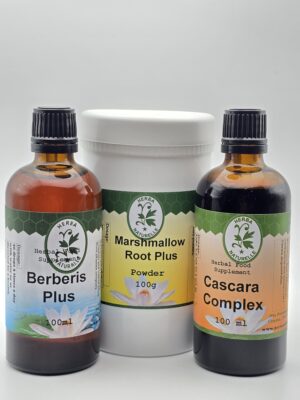 Digestive reset bundle
Original price was: £151.65.£144.95Current price is: £144.95.
-
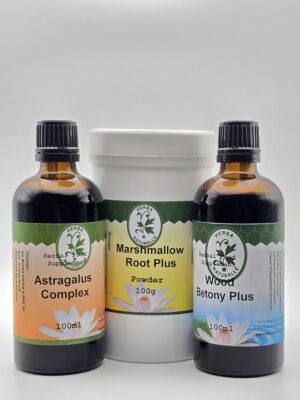 Smooth muscle and immune reset Bundle
Original price was: £177.60.£159.95Current price is: £159.95.
-
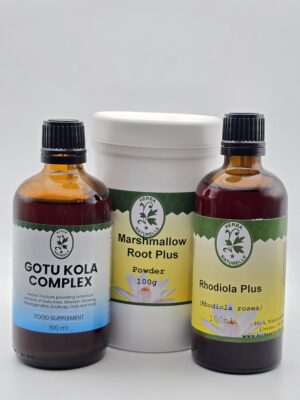 Nervous System Reset
Original price was: £163.68.£149.95Current price is: £149.95.
-
 Gotu Kola Complex
£26.95

About the Author

Holistic Herbalist in UK · 30 Years of Excellence at Croydon, GB
Angela Jegnathan brings over 30 years of experience in integrated medicine and more than 25 years of full-time clinical herbal practice. Specializing in holistic herbal medicine, she focuses on restoring digestive health, calming the nervous system, and supporting the body's natural inflammatory response through evidence-based, patient-centered care.
Expertise: Holistic Herbs, Natural Medicines, Herbal Health
30 years of experience
