
Herbal Support for Post Viral Fatigue: What Helps After a Cold or Flu Lingers
The cough has stopped, the fever’s long gone, and by every obvious measure the illness is over. Except it isn’t, not really, because the tiredness hasn’t lifted. Two weeks turns into four, sometimes longer, and the question people bring into clinic is always some version of the same thing: why do I still feel like this, and what actually helps? Herbal support for post viral fatigue is one of the most common searches we see after cold and flu season, and for good reason, because this pattern is more common, and more misunderstood, than most people realise.
Why Fatigue Outlasts the Infection Itself
It’s a strangely isolating experience, feeling unwell after everyone around you assumes you’ve already recovered. Friends and colleagues stop asking how you’re feeling once the visible symptoms disappear, and there’s often a quiet pressure to act like everything is back to normal even when it clearly isn’t yet. Naming that experience matters, because part of recovering well is giving yourself permission to still be recovering, even when nobody else can see it.
Fighting off a virus is metabolically expensive. The immune system draws heavily on the body’s energy reserves, and once the acute infection clears, the body still has repair work to do, replenishing depleted nutrients, calming residual inflammation and recalibrating a nervous and immune system that’s been running in overdrive. For some people that recovery happens quickly and quietly. For others, particularly if they were run down before getting ill in the first place, that recovery process stalls, and the fatigue simply doesn’t lift on schedule.
This overlaps significantly with the territory covered in herbal medicine for chronic fatigue and low energy, and it’s worth reading that piece if your fatigue has been going on for more than a few weeks, since the clinical approach to genuinely chronic fatigue differs somewhat from short term post viral recovery.
Rebuilding Immune Resilience Without Overstimulating It
Astragalus is one of the most respected immune tonics in Chinese herbal medicine, traditionally used not during acute infection but afterwards, to help the immune system return to a settled, resilient baseline rather than staying reactive. This distinction matters. Many people reach instinctively for Echinacea, which is genuinely useful during the acute phase of an infection, but a tonic herb like Astragalus is generally better suited to the recovery period that follows, once the acute fight is already over.
Andrographis, sometimes called the king of bitters, has a strong traditional reputation for cold and flu support, and our more recent piece on Andrographis as the herbalist’s go to for cold and flu season covers how it’s used both during illness and in the recovery period that follows.
Adaptogens for the Energy That Won’t Come Back
Siberian Ginseng is one of the more balanced adaptogens available, traditionally used to support stamina and resilience during periods of physical depletion, which describes post viral recovery precisely. It’s gentler than some other adaptogens, which makes it a sensible starting point for someone whose system already feels overtaxed rather than simply under-stimulated.
Reishi Mushroom, sometimes called the mushroom of immortality in traditional Chinese medicine, works from a slightly different angle, supporting both immune balance and a calmer nervous system, which matters because post viral fatigue is rarely a purely physical picture. Sleep is often disrupted, mood often dips, and a herb that addresses both immune and nervous system resilience at once tends to be more useful than one narrowly focused on energy alone.
Supporting the Body’s Own Inflammatory Recovery
Even after an infection clears, some residual inflammation typically lingers while tissue repairs itself, and this is part of why people often still feel unwell in a vague, low grade way well after testing negative or symptoms resolving. Our broader piece on understanding inflammation as a root driver of chronic disease explains why unresolved inflammation, even at a low level, can keep someone feeling below par long after the original trigger has passed.
When Stress Made You Vulnerable in the First Place
It’s worth being honest about this pattern, because it comes up constantly in clinic. People who were already running on stress reserves before catching a virus tend to have a harder, slower recovery afterwards, because their system had less resilience in the bank to begin with. How chronic stress affects the body explains this mechanism properly, and it’s a useful, if slightly uncomfortable, piece of self reflection for anyone who keeps catching every bug going round and taking longer than everyone else to bounce back.
A Similar Kind of Tiredness, Different Cause
If your fatigue feels tied more to disrupted routine and travel than illness specifically, our piece on natural remedies for jet lag and travel fatigue covers a related but distinct kind of depletion, and some of the same herbs discussed here overlap usefully with that picture too.
Calming an Overstretched Nervous System
Recovery is rarely just physical. The disrupted sleep, the frustration of not bouncing back on schedule, and the general low grade stress of feeling unwell for longer than expected all place a real load on the nervous system, and our Nervous System Reset formulation was specifically built to support this kind of overstretched, under-rested recovery picture.
Pacing: The Skill Nobody Teaches You
One of the most useful, and least discussed, tools in post viral recovery is pacing, meaning deliberately spreading activity across the day rather than doing everything at once on the days you happen to feel better. It’s tempting, on a good day, to catch up on everything that’s piled up while you were unwell, and that boom and bust pattern, a burst of activity followed by a crash, is one of the most reliable ways to prolong fatigue that would otherwise have settled naturally within a few weeks.
A more sustainable approach involves doing noticeably less than you feel capable of on good days, keeping activity roughly consistent day to day rather than swinging between overexertion and total collapse. This feels counterintuitive, almost frustratingly cautious, to most people used to pushing through, but it’s consistently one of the more effective strategies for shortening the overall recovery window rather than lengthening it.
A Case From Clinic
A man in his late thirties came to clinic six weeks after a flu that had, by every measure, resolved, still describing himself as running at roughly sixty percent of normal energy and increasingly frustrated that return to full training at the gym kept triggering a fresh wave of exhaustion each time he tried. The plan combined Siberian Ginseng and Astragalus daily, alongside a firm, almost uncomfortable instruction to cut his gym sessions back to a fraction of their previous intensity for a full month before gradually building back up. Within that month, the pattern of repeated crashes stopped entirely, and by the following month he was back to full training without the setbacks that had been derailing him for weeks beforehand.
Giving Recovery the Time It Actually Needs
The single biggest mistake people make with post viral fatigue is returning to full activity the moment symptoms clear, rather than tapering back in gradually. Herbs can meaningfully support the recovery process, but they work with the body’s own repair timeline, not instead of it, and pushing too hard, too soon, is one of the most reliable ways to prolong fatigue that would otherwise have resolved on its own within a few more weeks.
If your fatigue has lasted longer than you’d expect and you’d like a proper assessment of what’s driving it, you can book a consultation or book an appointment online. The full herb directory has more detail on every herb covered here, and our homepage has the complete picture of how the clinic can support your recovery.
Post viral fatigue is real, common, and genuinely responsive to the right support. It just needs to be taken seriously rather than pushed through, and herbal medicine has a solid, practical role to play in that recovery.
When Fatigue Doesn’t Resolve
For most people, post viral fatigue eases steadily over weeks, even if slower than they’d like. If exhaustion is still severe, worsening, or lasting many months after the original illness, that pattern moves into different territory and deserves proper medical investigation to rule out other causes, rather than assuming herbs alone will eventually resolve it. Herbal support works best as part of a genuine recovery, not as a way of pushing through a problem that actually needs a closer look. Knowing that distinction, and being honest with yourself about which category you’re in, is often the most useful first step of all.
Our Trending Products & Bundles
-
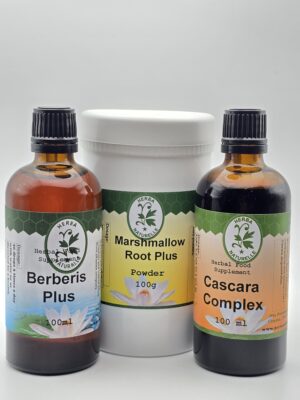 Digestive reset bundle
Original price was: £151.65.£144.95Current price is: £144.95.
-
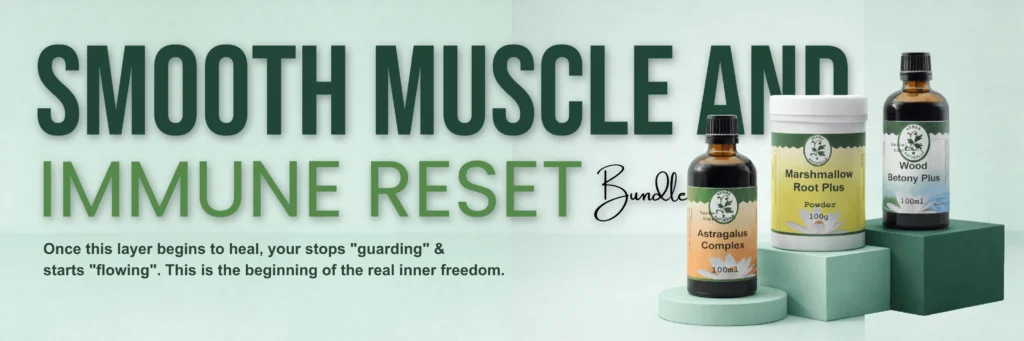
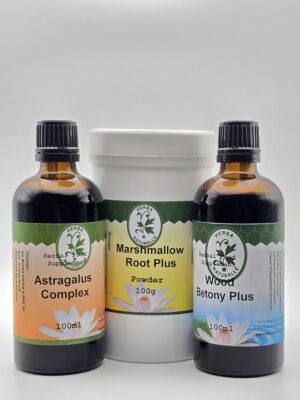 Smooth muscle and immune reset Bundle
Original price was: £177.60.£159.95Current price is: £159.95.
-
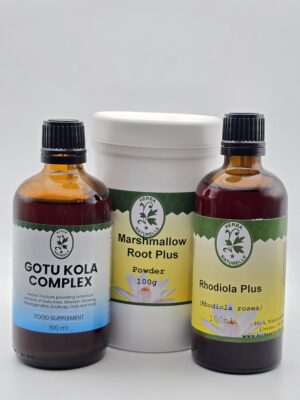 Nervous System Reset
Original price was: £163.68.£149.95Current price is: £149.95.
-
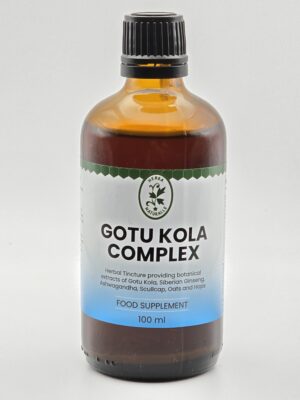 Gotu Kola Complex
£26.95

About the Author

Holistic Herbalist in UK · 30 Years of Excellence at Croydon, GB
Angela Jegnathan brings over 30 years of experience in integrated medicine and more than 25 years of full-time clinical herbal practice. Specializing in holistic herbal medicine, she focuses on restoring digestive health, calming the nervous system, and supporting the body's natural inflammatory response through evidence-based, patient-centered care.
Expertise: Holistic Herbs, Natural Medicines, Herbal Health
30 years of experience
