Milk Thistle Tincture: Benefits, Dosage and How to Take It
Milk thistle has a quiet, unglamorous reputation compared to trendier adaptogens, which is somewhat unfair given it has one of the longest, most consistent traditional track records of any liver herb in Western medicine. A tincture is one of the more practical ways to take it, concentrating the seed’s active compounds into a liquid form that is easier to dose accurately than counting out capsules, particularly for anyone using it as part of an ongoing, longer term liver support routine rather than a one off cleanse. It is the kind of herb that rarely makes headlines, quietly doing its job in the background while flashier supplements come and go around it.
Why the Liver Gets So Little Attention Until Something Goes Wrong
The liver is one of the few organs capable of genuinely significant regeneration, yet it also has remarkably few nerve endings, which means it can be under real strain for years before producing any symptoms a person would actually notice. This silent quality is exactly why liver support herbs like milk thistle are traditionally used proactively, as ongoing maintenance, rather than reactively once a problem has already become obvious. Our article on holistic health and why it matters for long term wellbeing touches on this broader principle, supporting systems before they fail rather than only intervening afterward.
What Makes Milk Thistle Different
Milk thistle seed owes its traditional reputation to silymarin, a group of compounds concentrated in the seed that appear to support the liver’s own regenerative and detoxifying processes rather than forcing any dramatic action of their own. This traditional use stretches back over two thousand years, referenced by classical physicians long before anyone understood the liver’s biochemistry in any detail, and it remains one of the most consistently researched single herbs in modern phytotherapy, partly because its traditional use translates so clearly into testable, specific mechanisms that modern laboratory methods can actually examine directly.
How a Tincture Differs From Capsules Here
Silymarin is notoriously poorly absorbed on its own, similar to curcumin in turmeric, which is part of why milk thistle products vary so widely in actual effectiveness depending on extraction quality. A well made tincture, using a proper herb to liquid ratio and adequate extraction time, captures a broader spectrum of the seed’s compounds than a cheaply processed capsule often does, and the liquid format allows for easier, more flexible dosing when supporting the liver over an extended period rather than a short burst. This matters particularly for an organ like the liver, where consistent, sustained support tends to outperform an occasional, high dose approach by a meaningful margin.
Typical Dosage and How to Take It
As with any tincture, concentration varies between manufacturers, so always check the specific product’s label rather than assuming a universal dose applies. As a general guide, milk thistle tinctures are commonly taken at two to four millilitres, two to three times daily, diluted in water, with consistency over several weeks mattering considerably more than any single large dose. The taste is mildly bitter rather than unpleasant, and bitterness itself has a traditional role in digestive and liver support, stimulating digestive secretions in a way that gentler, sweeter preparations do not.
Who Reaches for Milk Thistle and Why
Our article on herbs for liver detox covers milk thistle’s traditional role alongside other liver supportive herbs, often reached for after a period of heavier alcohol intake, rich food, or simply as a seasonal reset. For anyone concerned about early signs of liver strain, our article on fatty liver explains the early warning signs worth knowing, and milk thistle is one of the most frequently discussed herbs in this context, though it works best alongside genuine dietary and lifestyle change rather than as a way to offset an otherwise unchanged routine, a distinction our article on visceral fat and the hidden fat around your organs also touches on, since visceral fat and liver strain are closely connected processes that rarely improve from supplementation alone.
Pairing With Other Liver Herbs
Milk thistle is traditionally combined with other bitter, liver supportive herbs rather than used entirely alone. Dandelion root is one of the most common pairings, traditionally used as a bitter digestive and liver tonic in its own right, and yellow dock root is often added where iron rich, blood supportive action is also wanted alongside liver support. Together, these herbs reflect a traditional approach built around supporting several connected systems rather than targeting the liver in isolation.
Medication and Long Term Use
One of the more interesting, practical reasons milk thistle comes up so often in consultations is its traditional association with supporting the liver during periods of regular medication use, since the liver processes most oral medications. Our article on the side effects of long term medication discusses this relationship in more depth, and it is an area where close communication with a prescribing doctor matters, since milk thistle can occasionally affect how certain medications are metabolised, speeding up or slowing down the liver enzymes responsible for clearing them from the body. Our broader article on natural herbs vs pharmaceutical drugs explains why this kind of interaction consideration matters for herbs generally, not just this one.
Beyond the Liver
Milk thistle’s traditional reputation extends slightly beyond liver support alone, with some traditional use around healthy cholesterol levels, discussed in our article on cholesterol lowering foods and a heart healthy diet, and general metabolic support, which our article on herbal medicine and weight management touches on, since liver function and metabolic health are more closely linked than most people assume.
Who Should Be Cautious
Milk thistle belongs to the same plant family as ragweed and daisies, so anyone with a known allergy to these should be cautious. It also has a mild traditional reputation for stimulating bile flow, which makes it worth approaching cautiously, or avoiding, if you have gallstones or a bile duct obstruction. As with any herb taken alongside regular medication, checking for potential interactions with a pharmacist or herbalist first is sensible rather than optional.
A Realistic, Honest View
We want to be upfront: milk thistle is genuinely well regarded, but it is not a substitute for addressing the underlying cause of liver strain, whether that is alcohol intake, diet, medication load or an undiagnosed condition that genuinely needs proper medical investigation rather than a supplement alone. Our guide on when to use herbal medicine is worth reading for a clear view of where herbal support genuinely fits, and our broader philosophy on preventive health and herbal medicine sets out why consistent, ongoing support tends to outperform occasional, reactive use.
Discuss Your Case With a Herbalist
Because the right dose, combination and duration depends on your individual health picture and any medication you are taking, a proper consultation gives far more reliable guidance than a generic product label or a one size fits all recommendation. Learn more about our clinical approach, or read through our patient success stories to see how other people have used milk thistle and similar herbs as part of a properly tailored plan built around their own health picture.
Our Trending Products & Bundles
-
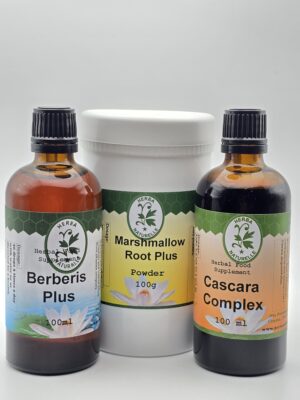 Digestive reset bundle
Original price was: £151.65.£144.95Current price is: £144.95.
-
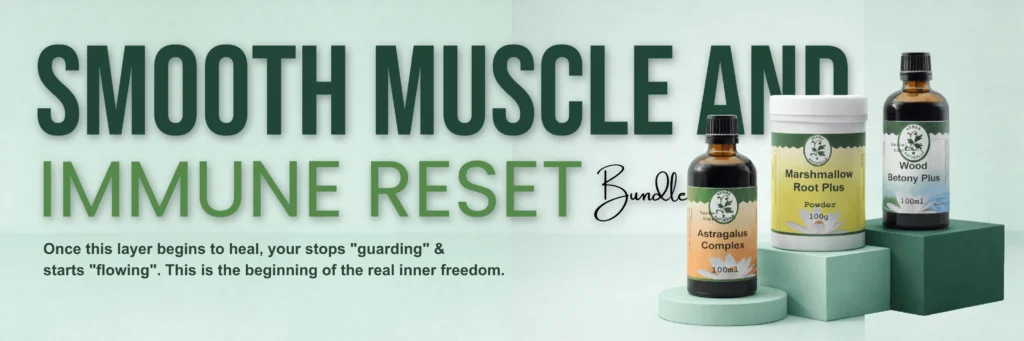
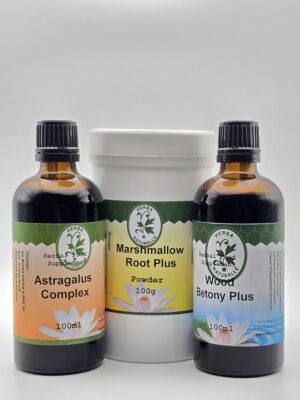 Smooth muscle and immune reset Bundle
Original price was: £177.60.£159.95Current price is: £159.95.
-
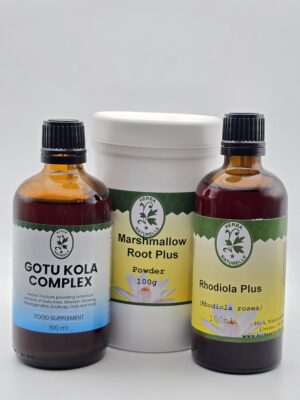 Nervous System Reset
Original price was: £163.68.£149.95Current price is: £149.95.
-
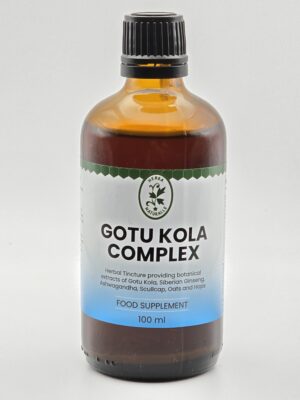 Gotu Kola Complex
£26.95

About the Author

Holistic Herbalist in UK · 30 Years of Excellence at Croydon, GB
Angela Jegnathan brings over 30 years of experience in integrated medicine and more than 25 years of full-time clinical herbal practice. Specializing in holistic herbal medicine, she focuses on restoring digestive health, calming the nervous system, and supporting the body's natural inflammatory response through evidence-based, patient-centered care.
Expertise: Holistic Herbs, Natural Medicines, Herbal Health
30 years of experience
