Herbal Anti-Inflammatories: How Plant Compounds Compare to NSAIDs
Inflammation is not a disease. It is the body’s most fundamental healing response, the process by which damaged tissue is cleared, pathogens are destroyed and repair begins. Without inflammation, a simple cut would become a fatal infection. The problem is not inflammation itself. The problem is inflammation that fails to resolve.
Chronic, low-grade inflammation is now recognised as a driver of nearly every modern disease, from cardiovascular disease and type 2 diabetes to depression, autoimmune conditions and neurodegeneration. This has made anti-inflammatory treatment one of the most important areas in both conventional and herbal medicine. But the two approaches could not be more different.
Understanding those differences, how non-steroidal anti-inflammatory drugs work compared to how herbal anti-inflammatories work, explains why herbal medicine offers a fundamentally different approach to chronic inflammation and why millions of people are turning to plant-based alternatives.
How NSAIDs Work
Non-steroidal anti-inflammatory drugs, ibuprofen, naproxen, diclofenac, aspirin, work by inhibiting cyclooxygenase enzymes, specifically COX-1 and COX-2. These enzymes convert arachidonic acid into prostaglandins, which are signalling molecules that promote inflammation, pain and fever.
The action is powerful and fast. Block the enzyme, reduce the prostaglandins, reduce the inflammation. For acute pain and short-term inflammation, NSAIDs are remarkably effective.
The problem emerges with long-term use. COX enzymes do not only produce inflammatory prostaglandins. They also produce prostaglandins that protect the stomach lining, maintain kidney blood flow, regulate platelet function and support intestinal integrity. Blocking these enzymes long-term produces side effects that range from gastric ulcers and kidney damage to cardiovascular events and intestinal permeability.
The side effects of long-term medication are well documented in the medical literature. NSAID-related gastrointestinal bleeding causes thousands of hospitalisations and deaths annually in the UK alone. This is not a minor concern. It is a direct consequence of blocking a broad-spectrum enzyme system to suppress one of its products.
How Herbal Anti-Inflammatories Work Differently
Herbal anti-inflammatory compounds do not typically work by blocking a single enzyme. They modulate multiple inflammatory pathways simultaneously, often at lower potency per pathway but with broader systemic effects and significantly fewer side effects.
Turmeric is the most extensively studied herbal anti-inflammatory. Curcumin, its primary active compound, inhibits NF-kB, a master transcription factor that controls the expression of hundreds of inflammatory genes. By modulating NF-kB, curcumin reduces the production of COX-2, lipoxygenase, inflammatory cytokines (TNF-alpha, IL-1, IL-6), adhesion molecules and matrix metalloproteinases. A single compound, working upstream, modulates multiple downstream inflammatory pathways simultaneously.
This is fundamentally different from an NSAID, which blocks one enzyme downstream. The upstream approach means that the anti-inflammatory effect is broader, more balanced and does not produce the specific tissue damage that comes from completely blocking prostaglandin production.
The turmeric tincture form delivers curcuminoids with enhanced bioavailability compared to capsules, particularly when combined with piperine from black pepper.
Frankincense contains boswellic acids, which are potent inhibitors of 5-lipoxygenase, an enzyme that produces inflammatory leukotrienes. Leukotrienes are a class of inflammatory mediators that NSAIDs do not address at all. This makes frankincense complementary to COX inhibitors and explains why it is effective in conditions like asthma and inflammatory bowel disease where leukotrienes play a dominant role.
Meadowsweet is historically significant, aspirin was originally derived from meadowsweet’s salicylate compounds. But unlike aspirin, whole meadowsweet contains tannins and mucilage that protect the stomach lining. The plant produces its own side-effect protection. This is the principle of synergy in action, and it is a perfect illustration of why whole plant medicine works differently from isolated compounds.
Willow bark contains salicin, which is converted to salicylic acid in the liver. Unlike aspirin, this conversion is gradual, producing a sustained anti-inflammatory effect without the gastric irritation of direct salicylate contact with the stomach wall.
Devil’s claw has been shown in clinical trials to be as effective as some NSAIDs for osteoarthritic pain, with significantly fewer side effects. Its active compound, harpagoside, works through multiple anti-inflammatory mechanisms including COX-2 inhibition, NF-kB modulation and antioxidant activity.
The Inflammation Resolution Pathway
Perhaps the most important difference between pharmaceutical and herbal anti-inflammatories is their effect on inflammation resolution. Acute inflammation is designed to be self-limiting. The body produces specialised pro-resolving mediators, resolvins, protectins and maresins, that actively switch off the inflammatory process and initiate tissue repair.
In chronic inflammation, this resolution pathway has failed. The inflammatory response has become stuck in a self-perpetuating cycle. NSAIDs suppress the inflammatory signals but do nothing to activate the resolution pathway. When the drug is withdrawn, inflammation returns because the underlying failure of resolution has not been addressed.
Several herbal compounds have been shown to actively promote inflammation resolution. Omega-3 fatty acids from plant sources serve as precursors for resolvins. Curcumin promotes the production of lipoxins, which are key resolution mediators. Nettle leaf modulates the immune cells responsible for resolution signalling.
This is why herbal anti-inflammatory treatment, when properly prescribed by a qualified medical herbalist, often produces lasting results that persist after the herbs are discontinued. The treatment has not merely suppressed symptoms. It has helped the body resolve the underlying inflammatory process.
Clinical Applications
Autoimmune conditions represent one of the most important clinical applications of herbal anti-inflammatories. In autoimmunity, the immune system drives chronic inflammation against the body’s own tissues. NSAID use in these conditions treats pain but does not address the immune dysregulation driving the inflammation.
Herbal treatment takes a broader approach. Anti-inflammatory herbs are combined with immune-modulating herbs to address the underlying immune dysfunction while managing the inflammatory symptoms. Gut-healing herbs address the intestinal permeability that often triggers and maintains autoimmune responses.
Joint pain and arthritis is another area where herbal anti-inflammatories excel. The combination of turmeric, frankincense, devil’s claw and celery seed addresses pain, inflammation and the underlying metabolic factors that contribute to joint degeneration. Unlike NSAIDs, which may actually accelerate cartilage loss over time, herbal compounds like boswellic acids have been shown to protect cartilage tissue.
For conditions involving chronic pain with a nervous system component, herbal anti-inflammatories can be combined with nervine herbs to address both the inflammatory and the neurological aspects of the pain.
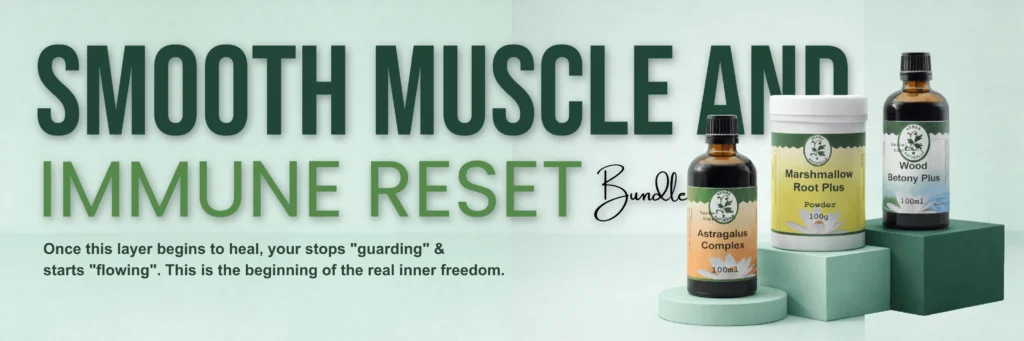
The Smooth Muscle and Immune Reset Bundle addresses the intersection of inflammation and smooth muscle dysfunction that characterises many chronic conditions. The Elderflower Complex provides anti-inflammatory support with particular affinity for the upper respiratory tract and sinuses.
When to Choose Herbal Over Pharmaceutical
For acute, severe pain, a broken bone, post-surgical pain, a migraine, NSAIDs have a legitimate and important role. Their speed of action and potency are appropriate for acute situations.
For chronic, ongoing inflammation, the kind that underlies most of the conditions people bring to a medical herbalist, herbal anti-inflammatories offer significant advantages. They are safer for long-term use. They address multiple inflammatory pathways. They support rather than hinder inflammation resolution. And they can be combined with herbs that address the root cause of the inflammation, whether that is gut permeability, stress, immune dysregulation or metabolic imbalance.
The decision is not either/or. Many patients use short-term pharmaceutical support alongside long-term herbal treatment, gradually reducing the pharmaceutical as the herbal treatment takes effect. This is the kind of integrated approach that experienced practitioners manage routinely.
Booking a consultation is the most reliable way to develop an anti-inflammatory strategy that addresses your specific pattern. The full range of anti-inflammatory and supportive products is available on the products page.
Our Trending Products & Bundles
-
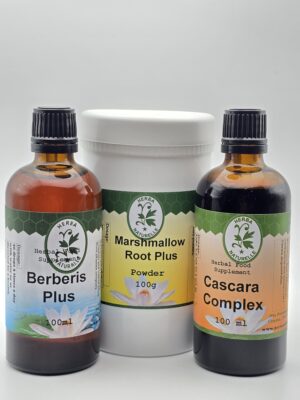 Digestive reset bundle
Original price was: £151.65.£144.95Current price is: £144.95.
-
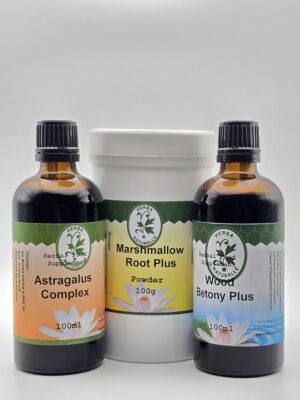 Smooth muscle and immune reset Bundle
Original price was: £177.60.£159.95Current price is: £159.95.
-
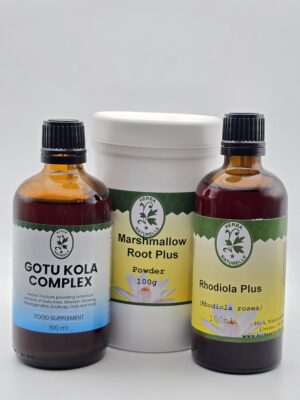 Nervous System Reset
Original price was: £163.68.£149.95Current price is: £149.95.
-
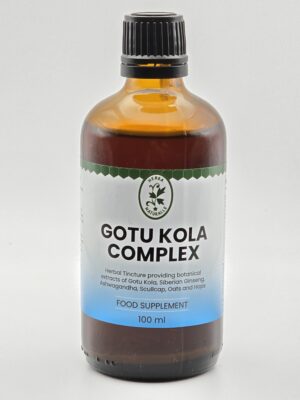 Gotu Kola Complex
£26.95

About the Author

Holistic Herbalist in UK · 30 Years of Excellence at Croydon, GB
Angela Jegnathan brings over 30 years of experience in integrated medicine and more than 25 years of full-time clinical herbal practice. Specializing in holistic herbal medicine, she focuses on restoring digestive health, calming the nervous system, and supporting the body's natural inflammatory response through evidence-based, patient-centered care.
Expertise: Holistic Herbs, Natural Medicines, Herbal Health
30 years of experience
