
Herbal Support for Chilblains and Cold Weather Circulation Problems
There’s a specific, maddening itch that arrives with chilblains, usually on the toes or fingers, a few hours after coming in from the cold, once circulation starts returning to skin that had briefly shut down blood flow to conserve heat elsewhere. For people prone to them, winter becomes something to brace for rather than simply endure, and herbal support for chilblains is a search that spikes reliably every year as the temperature drops.
Layering Warmth Properly
It’s worth mentioning that layering thin, breathable materials traps warm air more effectively than a single thick layer, and this applies especially to gloves and socks, where a thin wicking layer under a thicker insulating layer keeps extremities both warm and dry, since dampness from trapped sweat can paradoxically make cold sensitive skin more vulnerable to chilblains rather than less.
What’s Actually Happening With Chilblains
Chilblains occur when small blood vessels near the skin’s surface overreact to cold exposure, constricting tightly to preserve core body heat, then reopening too quickly once warmth returns, causing inflammation, swelling, redness and that characteristic intense itching or burning sensation. People with naturally poor peripheral circulation are considerably more prone to them, which is exactly why chilblains and broader circulation problems tend to travel together rather than existing as separate issues.
Diet’s Supporting Role in Peripheral Circulation
Alongside herbs, foods rich in omega-3 fatty acids, such as oily fish, support healthy blood vessel function and reduced inflammation, both relevant to how well the body handles cold exposure at the extremities. Adequate iron intake matters too, since even mild anaemia can worsen cold sensitivity in the hands and feet, adding yet another reason to rule out iron deficiency if cold weather circulation problems feel more severe than they should for the temperatures actually involved.
Exercise and Circulation Through Winter
Regular movement, even simple activities like brisk walking, keeps blood actively circulating to the extremities in a way that sitting still for long periods simply doesn’t. This becomes especially relevant in winter, when people naturally move less, and a short burst of activity before heading out into the cold can genuinely improve how well the hands and feet cope once exposed to lower temperatures.
Herbs That Support Peripheral Circulation
Ginkgo Leaf has a genuine research base supporting its role in peripheral blood flow, making it one of the more relevant herbs for anyone whose circulation problems are centred on the hands and feet specifically. Rosemary Leaf, better known for memory support, also has a traditional reputation for stimulating circulation, sometimes used topically as an infused oil massaged directly into cold hands and feet.
Prickly Ash Bark is a warming circulatory stimulant with a long traditional history specifically for cold extremities and poor peripheral circulation, often considered one of the more targeted herbs for this exact complaint.
Supporting the Vascular Tissue Itself
Horse Chestnut has a well established reputation as a vein herb, supporting vascular tone and healthy circulation more broadly, and Butcher’s Broom works along similar lines, traditionally used as a venous tonic where circulation to the extremities feels sluggish. Both herbs are more commonly discussed in relation to varicose veins, and our dedicated piece on herbs for varicose veins and poor circulation is worth reading if venous circulation more broadly, not just cold weather sensitivity, is a concern for you.
The Heart’s Role in Peripheral Warmth
Hawthorn Berries are traditionally considered a heart tonic, and since good peripheral circulation ultimately depends on efficient cardiac output, supporting overall cardiovascular health has a genuine, if indirect, bearing on how well blood reaches the coldest parts of the body during winter. Our broader piece on herbal medicine for heart health is worth reading for the fuller picture of how cardiovascular health and peripheral circulation connect, and our guide to resting heart rate, blood pressure and heart health explains some of the basic measurements worth knowing if cardiovascular health is a genuine underlying concern.
When Cold Hands Are the Bigger Everyday Problem
Chilblains are, in many ways, one visible symptom of a broader pattern of cold sensitivity in the extremities. If persistently cold hands and feet, rather than chilblains specifically, are your main concern, our related guide to natural remedies for cold hands and feet covers that pattern in considerably more depth, since many of the same underlying causes and herbs overlap between the two conditions.
Who’s Most Prone to Chilblains
Certain groups are considerably more prone to chilblains than others, including people with naturally low body weight, those with existing circulatory conditions, smokers, and people who spend long periods in cold, damp environments without adequate insulation. Genetics also plays a role, with some people simply having a more reactive peripheral vascular response to cold regardless of how carefully they dress or how healthy their circulation is otherwise.
Practical Steps That Matter as Much as Any Herb
Prevention genuinely matters more than treatment once chilblains have already developed. Keeping extremities consistently warm, avoiding rapid temperature changes such as putting cold feet directly next to a hot radiator, wearing proper insulated footwear rather than fashion over function, and not smoking, since nicotine constricts peripheral blood vessels further, all meaningfully reduce chilblain frequency and severity for people prone to them.
A Case Worth Sharing
A woman in her fifties came to clinic after several consecutive winters of painful, itchy chilblains on her toes that made wearing normal shoes uncomfortable for weeks each year. Alongside practical changes to her footwear and a conscious effort to warm up gradually rather than suddenly after being outside, a herbal plan built around Ginkgo Leaf taken daily through autumn and winter, alongside Rosemary infused oil massaged into her feet each evening, led to a noticeably milder chilblain season the following winter, with far less of the itching and swelling that had previously made the season so miserable.
Building a Plan Before the Cold Weather Arrives
Chilblains and cold weather circulation problems respond considerably better to preparation than to treatment after the fact, which is exactly why the best time to start a herbal plan is before the coldest months set in, not after the first painful, itchy patch has already appeared. If you’d like a proper plan built around your specific circulation pattern, you can book a consultation or book an appointment online. The full herb directory has more detail on every herb mentioned here, our About Herbal Medicine page explains the reasoning behind this approach, and our homepage has everything else you need to know about how the clinic works.
Winter doesn’t have to mean dreading your own hands and feet every year. With the right circulatory support started early enough, most people find the season considerably more comfortable to get through.
When to See a Doctor Instead
It’s worth mentioning that chilblains occasionally signal an underlying circulatory or autoimmune condition, particularly if they’re unusually severe, occur outside typical cold exposure, or are accompanied by skin ulceration. If your chilblains feel disproportionately severe compared with what’s described here, it’s worth having that checked by a doctor before assuming herbal support alone will resolve it.
Building Resilience Over Successive Winters
Many people who take a consistent, preventive approach find each successive winter noticeably easier than the last, as circulation gradually improves with sustained herbal support and consistent protective habits, rather than starting from scratch each year once the cold weather has already arrived and symptoms have already begun.
A Final Word on Consistency
The herbs discussed throughout this piece work considerably better taken consistently through the colder months rather than only reached for once symptoms have already flared, since supporting circulation is inherently a preventive strategy rather than a rescue remedy for an already inflamed, itching chilblain.
Footwear Choices That Genuinely Make a Difference
Tight footwear restricts blood flow to the toes precisely where chilblains are most likely to develop, so choosing shoes and boots with enough room for natural circulation, rather than prioritising a snug, fashionable fit, is one of the simplest preventive changes available. Natural materials like wool and leather also tend to regulate temperature and moisture better than synthetic alternatives, further reducing the conditions chilblains need to develop in the first place.
Small, consistent choices like these, made throughout the season rather than only on the coldest days, tend to add up to a genuinely more comfortable winter overall.
Our Trending Products & Bundles
-
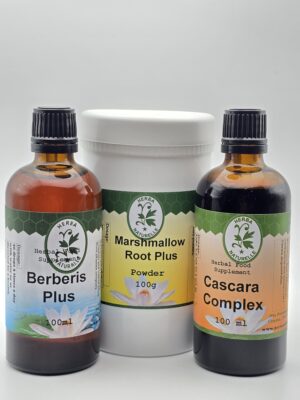 Digestive reset bundle
Original price was: £151.65.£144.95Current price is: £144.95.
-
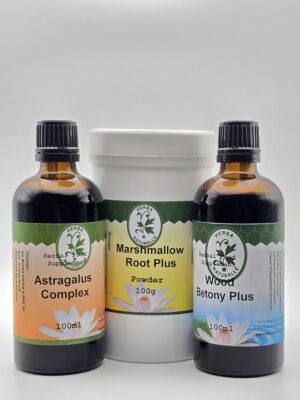 Smooth muscle and immune reset Bundle
Original price was: £177.60.£159.95Current price is: £159.95.
-
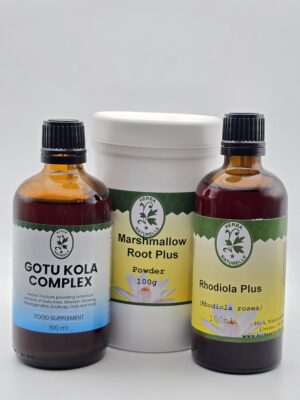 Nervous System Reset
Original price was: £163.68.£149.95Current price is: £149.95.
-
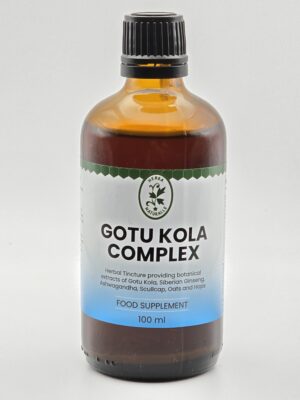 Gotu Kola Complex
£26.95


About the Author

Holistic Herbalist in UK · 30 Years of Excellence at Croydon, GB
Angela Jegnathan brings over 30 years of experience in integrated medicine and more than 25 years of full-time clinical herbal practice. Specializing in holistic herbal medicine, she focuses on restoring digestive health, calming the nervous system, and supporting the body's natural inflammatory response through evidence-based, patient-centered care.
Expertise: Holistic Herbs, Natural Medicines, Herbal Health
30 years of experience
