Herbs for Gallbladder Health and Gallstone Prevention
The gallbladder rarely gets a mention until it starts causing trouble, usually announced by a sharp, gripping pain under the right ribs after a particularly fatty meal, the kind that sends people to A&E convinced something far more serious is happening. Herbs for gallbladder health tends to be searched by two different groups of people, those who’ve already had a gallstone scare and want to avoid another one, and those who’ve heard gallstones run in the family and want to be proactive before anything happens at all.
Hormones and Gallstone Risk
It’s worth mentioning that oestrogen appears to increase cholesterol concentration in bile, which is part of why gallstones are notably more common in women, particularly during pregnancy and while taking oestrogen containing hormonal treatments. This doesn’t mean these situations should be avoided, but it does mean it’s worth being aware of the connection and mentioning any relevant hormonal history when discussing gallbladder health with a herbalist.
What the Gallbladder Actually Does
The gallbladder stores and concentrates bile, a substance produced by the liver that’s essential for digesting and absorbing dietary fats. When bile becomes too concentrated with cholesterol, or when the gallbladder doesn’t empty efficiently, gallstones can form, ranging from tiny, symptomless crystals to larger stones that cause genuine, often severe pain when they block the bile duct. Not everyone with gallstones has symptoms, but for those who do, the pain is distinctive enough that most people remember exactly where they were the first time it happened.
Fibre’s Underrated Role in Gallstone Prevention
Adequate dietary fibre helps regulate cholesterol levels and supports healthy digestion generally, both of which have a bearing on gallstone risk over time. Simple changes, like choosing wholegrain over refined carbohydrates and including a good variety of vegetables daily, support gallbladder health as a natural side effect of broader digestive wellbeing, without requiring any dramatic or restrictive dietary overhaul.
Herbs That Support Healthy Bile Flow
Dandelion Root is one of the classic bitter herbs used to support digestion and liver function, working partly by stimulating healthy bile production and flow, which is directly relevant to gallbladder health given how closely the two organs work together. Artichoke has genuine research behind its role in supporting bile flow and fat digestion, and it’s one of the more well studied herbs in this specific area, with a long history of traditional use for exactly this purpose.
Boldo Leaf, a South American liver herb, has a traditional reputation specifically for supporting healthy bile flow and easing digestive discomfort related to fat intake. Gentian Root, sometimes called the king of bitters, works on a broader digestive level, stimulating the whole digestive process including bile release, taken traditionally before meals to prepare the digestive system for what’s coming.
Why the Liver and Gallbladder Are So Closely Linked
Since bile is produced in the liver before being stored in the gallbladder, liver health has a direct bearing on gallbladder function. Milk Thistle Seed supports healthy liver cell function broadly, which indirectly supports healthy bile composition and flow as well. If liver sluggishness feels like part of your picture, particularly after periods of richer eating, our piece on herbs for liver detox covers this connection in more depth, and our guide to fatty liver is worth reading if you suspect broader liver health might be a contributing factor.
Diet Matters as Much as Any Herb Here
It’s worth being direct about this, since diet plays such a significant, well established role in gallstone risk. Rapid weight loss, very low fat diets followed by sudden high fat meals, and a diet consistently high in refined carbohydrates and low in fibre are all associated with increased gallstone risk. A more moderate, consistent approach to fat intake, rather than extreme restriction followed by indulgence, tends to support gallbladder health considerably better than either extreme. Our broader overview of herbal medicine for digestive health covers the wider digestive picture that gallbladder health sits within, and our piece on bloating, trapped wind and constipation is worth reading if digestive discomfort after fatty meals has become a recurring pattern for you.
The Inflammation Angle
Chronic low grade inflammation appears to play a role in gallstone formation as well, adding gallbladder health to the growing list of conditions where systemic inflammation matters more than people initially assume. Our piece on understanding inflammation as a root cause of chronic disease is a useful, broader read in this context.
The Value of Small, Sustainable Changes Over Drastic Ones
It’s worth resisting the temptation toward a dramatic, restrictive overhaul once gallstones or gallbladder concerns are identified, since very low fat diets can actually reduce gallbladder contraction and, somewhat counterintuitively, increase stone risk over time. A moderate, consistent approach that includes healthy fats rather than eliminating them entirely tends to serve gallbladder health considerably better than swinging between extremes.
Who’s Most at Risk
Certain factors are consistently associated with higher gallstone risk, including being female, being over forty, carrying excess weight particularly around the abdomen, a family history of gallstones, and rapid weight loss from crash dieting or bariatric surgery. None of these are within full control, but knowing your own risk profile helps a herbalist tailor a genuinely preventive plan rather than offering the same generic advice to everyone regardless of their actual likelihood of developing stones.
Age and Family History as Risk Factors Worth Discussing
If gallstones run in your family, it’s worth mentioning this specifically when discussing prevention, since a family history meaningfully raises your own baseline risk regardless of how well other lifestyle factors are managed. This doesn’t mean gallstones are inevitable, but it does mean a somewhat more proactive, consistent approach to the herbs and dietary habits discussed here may be worthwhile earlier than it would be for someone without that family history.
When Gallbladder Pain Needs Urgent Attention
This needs saying plainly, because gallbladder issues can occasionally become a genuine medical emergency. Severe, persistent pain under the right ribs, especially accompanied by fever, yellowing of the skin or eyes, or pain lasting more than a few hours, requires urgent medical attention, since it can indicate a blocked bile duct, gallbladder infection, or inflammation of the pancreas, all of which need proper medical treatment rather than herbal support alone. Herbal medicine has a genuine, supportive role in gallbladder health and prevention, but it is not appropriate as the primary response to an acute gallbladder attack.
A Case Worth Sharing
A woman in her late forties came to clinic after being told she had small, symptomless gallstones found incidentally during an unrelated scan, and wanting to do everything possible to avoid them becoming symptomatic. Alongside gradual dietary changes toward more consistent, moderate fat intake and increased fibre, her plan included Dandelion Root and Artichoke taken before meals. Several years on, she’s remained symptom free, which isn’t a guarantee that would hold for everyone, but reflects a sensible, supportive approach taken seriously and consistently over time.
Building a Sensible, Preventive Approach
If you’d like a proper plan for supporting gallbladder health, whether you already know you have gallstones or simply want to be proactive, you can book a consultation or book an appointment online. The full herb directory has more detail on every herb mentioned here, our About Herbal Medicine page explains the clinical reasoning behind this approach, and our homepage has everything else you need to know about how the clinic works.
Gallbladder health responds well to sensible, consistent support over time, and for most people, prevention through diet and appropriate herbs is considerably more comfortable than dealing with an acute gallstone attack after the fact.
Life After Gallbladder Removal
Some readers will already have had their gallbladder removed following a serious attack, and it’s worth mentioning that digestion continues perfectly well afterwards for most people, though some notice a period of adjustment, particularly with fattier meals, while the body adapts to bile flowing more continuously rather than being stored and released as needed. Gentle digestive support during this adjustment period, including many of the bitter herbs discussed here, can genuinely ease that transition for people who’ve had the surgery.
Keeping Track of Your Own Triggers
If you already know you have gallstones, keeping a simple note of which meals or foods seem to precede discomfort can help identify your own specific triggers, since these vary somewhat between individuals even though very fatty, fried meals are the most common culprit overall. This kind of tracking, done consistently for even a few weeks, often gives a clearer, more personalised picture than general dietary advice alone.
Our Trending Products & Bundles
-
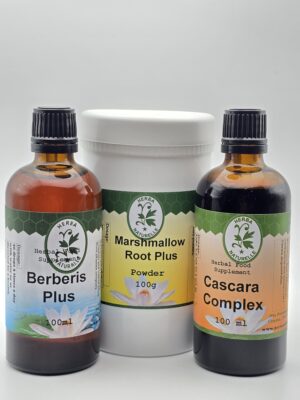 Digestive reset bundle
Original price was: £151.65.£144.95Current price is: £144.95.
-
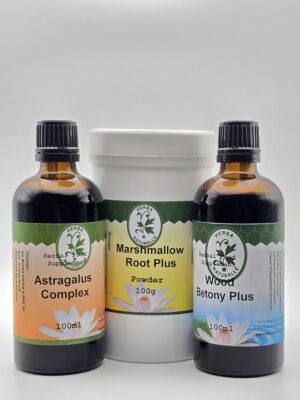 Smooth muscle and immune reset Bundle
Original price was: £177.60.£159.95Current price is: £159.95.
-
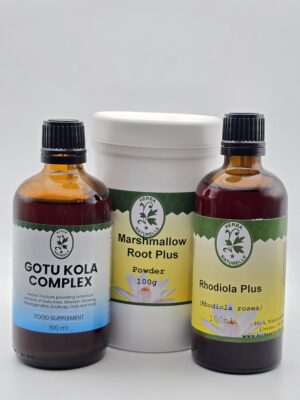 Nervous System Reset
Original price was: £163.68.£149.95Current price is: £149.95.
-
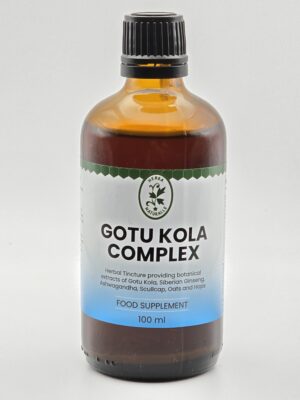 Gotu Kola Complex
£26.95

About the Author

Holistic Herbalist in UK · 30 Years of Excellence at Croydon, GB
Angela Jegnathan brings over 30 years of experience in integrated medicine and more than 25 years of full-time clinical herbal practice. Specializing in holistic herbal medicine, she focuses on restoring digestive health, calming the nervous system, and supporting the body's natural inflammatory response through evidence-based, patient-centered care.
Expertise: Holistic Herbs, Natural Medicines, Herbal Health
30 years of experience
