Mental Health in the UK: Depression, Anxiety, NHS Support and Natural Approaches
Introduction
Mental health difficulties affect roughly one in four people in the UK each year. Despite growing public awareness and reduced stigma, particularly in the wake of mental health campaigns and World Mental Health Day, millions of people still struggle to access timely, appropriate support. Whether you are experiencing depression, anxiety, postnatal low mood, or simply feel overwhelmed and don’t know where to turn, this article maps out the signs to recognise, the help available through the NHS, and the complementary approaches, including herbal medicine, that can make a genuine difference.
Recognising Depression: Symptoms to Know
Depression is more than feeling sad or having a bad week. It is a clinical condition that changes how people think, feel, and function across all areas of life. The NHS diagnostic criteria recognise depression when symptoms persist for most of the day, nearly every day, for at least two weeks.
Core symptoms of depression:
- Persistent low mood or sadness
- Loss of interest or pleasure in activities you previously enjoyed (anhedonia)
- Fatigue and loss of energy
- Difficulty concentrating, remembering, or making decisions
- Changes in sleep, either insomnia or sleeping excessively
- Changes in appetite or weight (either loss or gain)
- Feelings of worthlessness, excessive guilt, or self-blame
- Slowed thinking, speaking, or movement (visible to others)
- Recurrent thoughts of death or suicide
Depression ranges in severity from mild to severe. Even mild depression that persists should prompt a conversation with your GP.
Anxiety: Natural and Nausea Connections
Anxiety is the most common mental health problem in the UK, affecting approximately 8 million people at any one time. It is characterised by persistent worry, tension, and physical symptoms that often mirror those of physical illness.
Does Anxiety Cause Nausea?
Yes, and significantly so. The gut-brain connection (the vagus nerve and the enteric nervous system) means that emotional states are directly felt in the digestive tract. During anxiety, the body’s stress response (fight-or-flight) redirects blood away from the gut, slows digestion, and can trigger nausea, a churning stomach, diarrhoea, or loss of appetite. For some people, this GI presentation of anxiety is the most disabling feature.
Common physical symptoms of anxiety:
- Palpitations or a racing heart
- Shortness of breath or a feeling of being unable to take a full breath
- Nausea, stomach churning, or IBS-like symptoms
- Muscle tension, headaches, and jaw clenching
- Sweating, trembling, or dizziness
- Difficulty sleeping (particularly getting to sleep, or waking at 3–4am with a racing mind)
- Hypervigilance, a persistent sense of being on high alert
Postpartum Depression: What to Look Out For
Postpartum depression (PPD) affects approximately 1 in 10 women in the UK in the first year after giving birth. It is different from the “baby blues,” which are brief tearfulness and emotional fluctuations in the first two weeks following delivery and usually resolve without treatment.
Signs of postpartum depression:
- Persistent low mood, crying, or hopelessness that doesn’t improve after a couple of weeks
- Difficulty bonding with the baby, feeling detached or unable to feel love for the child
- Frightening thoughts, including fears of harming the baby (these are distressing, not intentions, but require support)
- Extreme tiredness, beyond what is typical for new parenthood
- Loss of appetite or significant overeating
- Withdrawal from family and friends
- Difficulty making decisions or managing daily tasks
PPD is common, treatable, and not a reflection of your worth as a parent. If you recognise these signs in yourself or someone close to you, speak to your midwife, health visitor, or GP, ideally as soon as possible. Treatment typically involves talking therapy, peer support, and in some cases medication.
How to Get Help With Mental Health in the UK
The NHS provides a range of mental health services, though waiting times vary considerably by region and severity.
Your GP: The First Step
Your GP can assess your symptoms, rule out physical causes (thyroid problems, for example, can present as depression), and refer you to appropriate services. Don’t minimise your symptoms when speaking to your GP, be as honest as possible about how you have been feeling.
NHS Talking Therapies (IAPT)
The NHS Improving Access to Psychological Therapies (IAPT) programme, now rebranded as NHS Talking Therapies, provides free cognitive-behavioural therapy (CBT), guided self-help, counselling, and other evidence-based talking therapies. You can often self-refer without a GP referral. Average waiting times vary from weeks to months depending on location.
Can You Get Therapy on the NHS?
Yes, but the process can require patience. For a detailed guide on how NHS therapy access works, including self-referral pathways, read: Mental Health Services: Can You Get Therapy on the NHS?
Crisis Support
If you or someone else is in crisis, there are immediate options:
- Samaritans: call 116 123 (free, 24 hours)
- Crisis Resolution Teams: available through your local NHS Trust, accessed via your GP or A&E
- Emergency services: call 999 if someone is in immediate danger
Natural Remedies for Anxiety and Depression
Herbal and lifestyle approaches are not a replacement for professional mental health care but can meaningfully complement it, particularly for mild to moderate symptoms, or during the wait for NHS therapy.
St. John’s Wort (Hypericum perforatum)
St. John’s Wort is the most extensively researched herbal antidepressant. Multiple meta-analyses have found it more effective than placebo and broadly comparable to standard antidepressants for mild to moderate depression, with a better side-effect profile in many studies. It is widely used across Europe and approved in Germany as a licensed herbal medicine for depression.
Important caution: St. John’s Wort has significant interactions with many medications, including the contraceptive pill, anticoagulants, antivirals, and antidepressants. Always check with your pharmacist or GP before using it. Read: St. John’s Wort: The Antidepressant Herb
Valerian Root (Valeriana officinalis)
Traditionally used for anxiety and sleep difficulties, valerian has some evidence for its sedative and anxiolytic effects, particularly for improving sleep quality. Read: Valerian Root: The Sleep Herb and for the tincture format: Valerian Root Tincture: A Complete Guide
Passionflower (Passiflora incarnata)
Well-established in herbal medicine as an anxiety-specific herb. Some clinical trials have found it comparable to low-dose benzodiazepines for generalised anxiety without the dependency risk. Passion Flower: The Anxiety Specialist
Lemon Balm (Melissa officinalis)
Gentle, calming, and safe for most people. Lemon balm reduces anxiety and improves mood in several clinical studies, and is particularly useful where anxiety is accompanied by digestive upset. Lemon Balm: The Calm and Gentle Antiviral
Ashwagandha (Withania somnifera)
Ayurveda’s master adaptogen, well studied for reducing cortisol levels and improving resilience to stress. Ashwagandha Root: Benefits, Evidence and How to Use It
Rhodiola (Rhodiola rosea)
An adaptogen particularly suited to mental fatigue, burnout, and the kind of low-grade, exhausted anxiety that comes from chronic stress. Read: Rhodiola: Supporting Resilience From Within
Chamomile Tea (Manzanilla)
Chamomile, known as manzanilla in Spanish-speaking traditions, is among the most widely drunk herbal teas in the world and has genuine evidence for mild anxiety and sleep disturbance. Read: German Chamomile Flowers: The Anti-Inflammatory Chamomile
Lifestyle Support for Mental Health
Beyond herbs and therapy, the following lifestyle measures have strong evidence for supporting mental health:
- Exercise: 30 minutes of moderate aerobic exercise, five times per week, produces antidepressant effects comparable to medication in some studies
- Sleep hygiene: consistent sleep and wake times, a cool dark room, and reducing screen time before bed
- Social connection: loneliness is both a risk factor and a consequence of depression, maintaining relationships matters
- Time in nature: even brief exposure to green spaces lowers cortisol and improves mood
- Reducing alcohol: alcohol is a CNS depressant and makes anxiety and depression significantly worse over time
Our Trending Products & Bundles
-
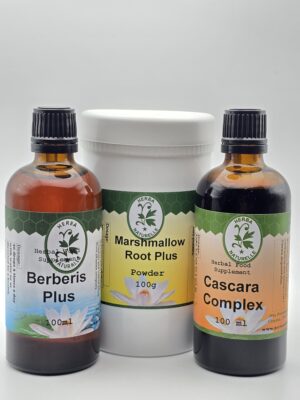 Digestive reset bundle
Original price was: £151.65.£144.95Current price is: £144.95.
Digestive reset bundle
Original price was: £151.65.£144.95Current price is: £144.95.
-
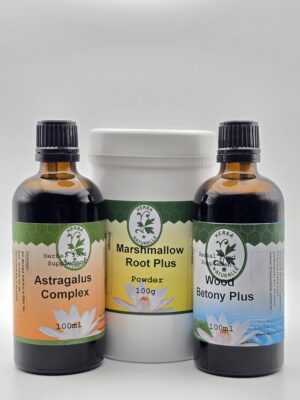 Smooth muscle and immune reset Bundle
Original price was: £177.60.£159.95Current price is: £159.95.
Smooth muscle and immune reset Bundle
Original price was: £177.60.£159.95Current price is: £159.95.
-
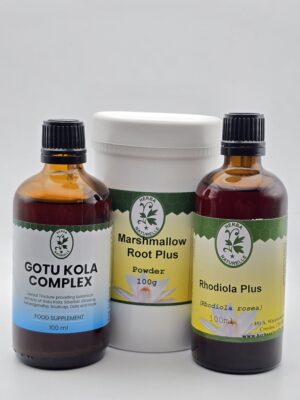 Nervous System Reset
Original price was: £163.68.£149.95Current price is: £149.95.
Nervous System Reset
Original price was: £163.68.£149.95Current price is: £149.95.
-
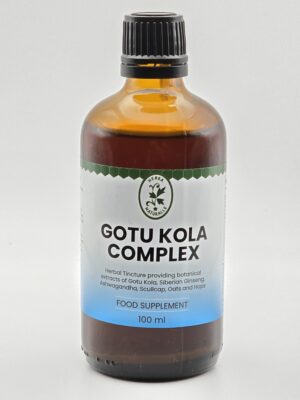 Gotu Kola Complex
£26.95
Gotu Kola Complex
£26.95

About the Author

Holistic Herbalist in UK · 30 Years of Excellence at Croydon, GB
Angela Jegnathan brings over 30 years of experience in integrated medicine and more than 25 years of full-time clinical herbal practice. Specializing in holistic herbal medicine, she focuses on restoring digestive health, calming the nervous system, and supporting the body's natural inflammatory response through evidence-based, patient-centered care.
Expertise: Holistic Herbs, Natural Medicines, Herbal Health
30 years of experience
