Mental Health Awareness Month UK: What It Is and How to Get Involved
Mental health awareness has become one of the most prominent public health conversations in the UK over the past decade. Dedicated awareness periods provide focus, momentum, and a public prompt for conversations that can be difficult to initiate without a shared context. This article explains when Mental Health Awareness Month takes place in the UK, how it differs from related campaigns, and how to engage meaningfully.
When Is Mental Health Awareness Month in the UK?
In the UK, mental health awareness is observed primarily during May, which aligns with the global Mental Health Awareness Month observed in many countries. The centrepiece of mental health awareness in the UK during May is Mental Health Awareness Week, organised annually by the Mental Health Foundation. Mental Health Awareness Week typically takes place in the second or third week of May each year.
October is also significant, World Mental Health Day falls on 10th October, and the days around it see heightened awareness activity across organisations, workplaces, and media.
November is specifically associated with men’s mental health, Movember and International Men’s Day on 19th November focus particularly on male psychological wellbeing.
Who Organises Mental Health Awareness Month in the UK?
Several organisations lead UK mental health awareness activities:
The Mental Health Foundation, organises and leads Mental Health Awareness Week each May, setting an annual theme and coordinating activities across thousands of organisations. Past themes have included loneliness, nature, kindness, anxiety, and body image.
Mind, the UK’s largest mental health charity runs campaigns and resources throughout the year, with heightened activity during key awareness periods.
Rethink Mental Illness, provides resources, campaigns, and direct support for people with severe mental illness and their carers.
Time to Change (now incorporated into other organisations), led workplace mental health campaigns for many years, with a focus on reducing stigma.
CALM (Campaign Against Living Miserably), focuses specifically on male mental health, with campaigns often coinciding with Movember.
What Are the Goals of Mental Health Awareness Month?
Mental health awareness activities typically aim to:
- Reduce stigma, public campaigns consistently reduce the stigma associated with mental health conditions, making it more socially acceptable to seek help and talk openly
- Increase help-seeking, awareness months are consistently associated with increases in referrals to mental health services and calls to helplines
- Educate the public, building understanding of what mental health conditions actually feel like from the inside, and what kinds of support are available
- Advocate for better services, awareness months provide a platform for advocacy around NHS mental health provision, waiting times, and funding
- Support communities, peer support, workplace mental health initiatives, and community events during awareness months build local networks of support
How to Take Part in Mental Health Awareness Month
Individuals:
- Share mental health resources with someone who might benefit
- Check in with a friend, family member, or colleague who might be struggling
- Talk openly about your own mental health, modelling openness reduces stigma for others
- Donate to or fundraise for a mental health charity
- Attend a local awareness event
Workplaces:
- Run a mental health awareness session or webinar
- Train Mental Health First Aiders
- Introduce or review an employee mental health policy
- Create space for open conversation through a workplace wellbeing initiative
Healthcare professionals:
- Signpost patients to mental health resources during awareness periods
- Participate in local professional mental health awareness events
The Physiological Dimension of Mental Health
Mental health is not solely psychological, it has deep physiological roots. At Herba Naturalle, Anjela Jeganathan’s clinical approach recognises that the nervous system, the gut, and the body’s smooth muscle lining all contribute to how we experience stress, mood, anxiety, and emotional resilience. Addressing these physiological layers creates the internal conditions for genuine mental wellbeing.
The Nervous System Reset Bundle and the Gotu Kola Complex are specifically designed to calm the physiological layer of nervous system dysregulation that underlies many mental health presentations.
Read more at About Herbal Medicine or contact the clinic for a personal consultation.
The Herba Naturalle 3-Step Bundle
The Herba Naturalle Bundle supports mental wellbeing through three physiological steps:
Step 1, Restore Digestion: The gut-brain connection means digestive health is foundational to mood, anxiety, and mental clarity.
Step 2, Calm the Surface Nervous System: The Nervous System Reset addresses the chronic physiological agitation that underlies much mental health distress.
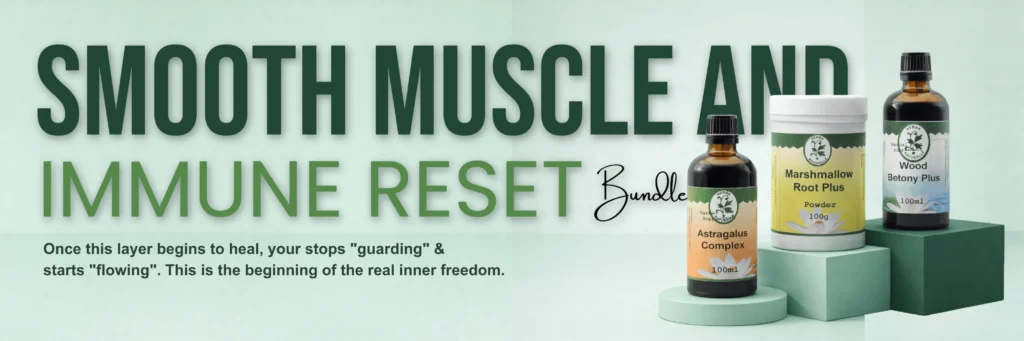
Step 3, Heal the Smooth Muscle Lining: Systemic inflammation contributes to mood disorders, cognitive fog, and nervous system sensitisation. The Smooth Muscle and Immune Reset Bundle targets this root layer.
This article is for informational purposes only. If you are experiencing a mental health crisis, please contact Samaritans on 116 123, NHS 111, or in an emergency call 999.
Our Trending Products & Bundles
-
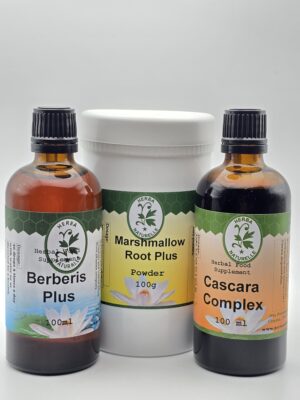 Digestive reset bundle
Original price was: £151.65.£144.95Current price is: £144.95.
Digestive reset bundle
Original price was: £151.65.£144.95Current price is: £144.95.
-
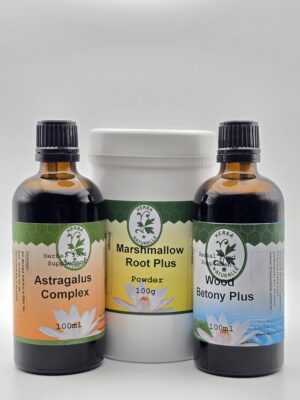 Smooth muscle and immune reset Bundle
Original price was: £177.60.£159.95Current price is: £159.95.
Smooth muscle and immune reset Bundle
Original price was: £177.60.£159.95Current price is: £159.95.
-
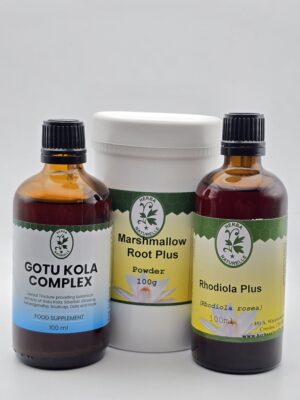 Nervous System Reset
Original price was: £163.68.£149.95Current price is: £149.95.
Nervous System Reset
Original price was: £163.68.£149.95Current price is: £149.95.
-
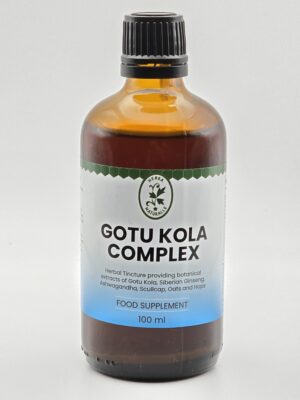 Gotu Kola Complex
£26.95
Gotu Kola Complex
£26.95

About the Author

Holistic Herbalist in UK · 30 Years of Excellence at Croydon, GB
Angela Jegnathan brings over 30 years of experience in integrated medicine and more than 25 years of full-time clinical herbal practice. Specializing in holistic herbal medicine, she focuses on restoring digestive health, calming the nervous system, and supporting the body's natural inflammatory response through evidence-based, patient-centered care.
Expertise: Holistic Herbs, Natural Medicines, Herbal Health
30 years of experience
