Natural Remedies for Nail and Hair Health: Signs of Deeper Deficiency
Most people treat brittle nails or thinning hair as a cosmetic annoyance, something to fix with a stronger polish or a thicker conditioner. In herbal practice, they’re often treated very differently, as one of the earliest, most visible signs that something deeper in the body isn’t being absorbed or processed properly. Searching for natural remedies for nail and hair health is a sensible first step, but the more useful question is usually “why is this happening in the first place”, and that’s where the real answer tends to live.
Why Nails and Hair Show Trouble First
It’s worth saying at the outset that not every case has a dramatic underlying cause. Sometimes brittle nails are simply a sign of overuse of harsh products, or hair shedding is a temporary, entirely normal response to a stressful season that resolves on its own. The point of this article isn’t to alarm anyone into assuming the worst, but to encourage a bit of curiosity rather than reaching straight for a stronger polish or a new shampoo the moment something looks off.
Nails and hair are, in the body’s priority system, non-essential tissue. When nutrients are scarce, whether from poor absorption, restrictive eating or high physical demand, the body directs what it has toward vital organs first and starves peripheral tissue like nails and hair last. That’s precisely why brittle, ridged nails or hair that’s suddenly shedding more than usual often shows up well before someone feels unwell in any other obvious way.
This is a similar logic to what we cover in 10 signs of an unhealthy gut, where subtle external signs point back to an internal absorption problem, and it’s genuinely worth reading if nail and hair changes have appeared alongside other vague symptoms like fatigue or digestive discomfort.
The Gut Connection Nobody Thinks to Check
If nutrients aren’t being properly broken down and absorbed in the digestive tract, it doesn’t matter how nutrient dense your diet is, very little of that nutrition actually reaches the tissues that need it. Our overview of gut and digestive health explains how the digestive system processes and absorbs nutrients from top to bottom, and it’s a useful foundation before assuming a supplement or herb alone will solve a nail or hair problem rooted in poor absorption.
For some people, digestive enzymes themselves are the missing link, and our piece on how digestive enzymes work explains when and why supplementing them might help nutrients actually get where they’re needed, rather than passing through undigested.
Herbs Traditionally Used for Hair Strength
If thinning hair rather than nails is the main concern, our dedicated guide to natural remedies for hair loss and thinning hair goes into far more depth than we can cover here, and is worth reading alongside this piece.
He Shou Wu, also known as Fo-Ti, has one of the longest standing reputations in Chinese herbal medicine specifically for hair health, traditionally associated with slowing premature greying and supporting hair strength over time. Nettle Leaf is a genuinely nutrient dense herb, rich in minerals including iron and silica, both of which play a direct role in healthy hair structure, and it has the advantage of being gentle enough for long term, everyday use as a simple tea.
The Mineral Most People Overlook
Horse Tail Herb, often called nature’s silica supplement, is a herbalist’s classic reach for brittle nails specifically. Silica is a structural mineral involved in the strength and flexibility of connective tissue, including nails and hair, and horse tail remains one of the richest natural sources of it available in herbal medicine.
Nutrient Dense Herbs Worth Knowing
Alfalfa Leaf and Alfalfa Tops are two of the most nutrient dense plants used in herbal medicine, providing a broad range of vitamins and minerals in a form the body finds relatively easy to use. They’re rarely marketed with the same fanfare as trendier “hair growth” ingredients, but their sheer nutritional density makes them genuinely relevant to any deficiency driven pattern, nails and hair included.
When It’s Worth Checking Properly
If nail and hair changes are significant, sudden or accompanied by other symptoms like fatigue, unusual bruising or changes in skin, it’s worth having proper bloodwork done rather than guessing. Our guide to the full body MOT blood test explains what’s typically included and why it can give a much clearer picture of what’s actually going on internally than external symptoms alone ever could.
This Isn’t Just an Adult Issue
Nutrient deficiencies affecting nails and hair can appear at any life stage, and if you’re wondering what’s appropriate and safe across different ages within the same household, our guide to herbal medicine for the whole family covers what’s suitable for children, adults and older family members alike.
Prevention Beats Correction
Once a deficiency has become visible in the nails or hair, it’s usually been building quietly for months already. Our broader piece on preventive health and herbal medicine makes the case for addressing these patterns before they show up externally at all, which is generally a far easier, gentler process than correcting an established deficiency after the fact.
The Usual Suspects Behind Weak Nails and Thinning Hair
In clinic, a handful of causes come up again and again behind this pattern. Low iron is one of the most common, particularly in women with heavy periods, and it tends to produce a distinctive combination of brittle, spoon shaped nails alongside hair that sheds more than usual when washed or brushed. Low thyroid function is another frequent culprit, often presenting with dry, coarse hair and slow nail growth alongside fatigue that gets dismissed as simply being busy or stressed.
Restrictive dieting, whether intentional or simply the result of a chaotic schedule and skipped meals, is a third common cause, since it directly limits the protein and micronutrient intake that both nails and hair depend on for growth. And chronic stress deserves a mention here too, since prolonged high cortisol can push hair follicles into a resting phase prematurely, leading to noticeable shedding roughly two to three months after a particularly stressful period, which is precisely why the timing of hair loss often confuses people who assume the cause must be something recent.
A Pattern Worth Recognising
A woman in her late twenties came to clinic concerned about hair coming out in the shower far more than usual, alongside nails that had become noticeably ridged over the previous six months. Bloodwork confirmed low iron, likely related to heavy periods she’d never thought to mention as connected. Alongside addressing the iron directly, Nettle Leaf tea daily and Horse Tail added for the nail structure specifically formed the core of the herbal support, combined with simple dietary changes to increase iron rich foods. Within around four months, both the shedding and the nail ridging had visibly improved, and she described finally understanding why two seemingly unrelated symptoms had shown up together in the first place.
Getting to the Actual Cause
Nail and hair changes are one of the clearest examples in herbal medicine of a symptom that’s rarely the real story. Treating the nails or hair directly, with stronger products or one off supplements, tends to produce limited, temporary results if the underlying absorption or dietary issue is never addressed.
If you’d like a proper assessment of what’s actually driving your specific pattern, you can book a consultation or book an appointment online. The full herb directory has more detail on every herb mentioned here, and our homepage has the complete picture of how the clinic approaches cases like this.
Brittle nails and thinning hair are the body’s way of flagging something worth paying attention to. Listened to early, they’re usually one of the easier patterns in herbal medicine to correct.
Why Patience Pays Off Here More Than Most Conditions
Nails and hair grow slowly by nature, which means any genuine improvement, whether from addressing a deficiency, calming stress or supporting absorption, takes visible time to show up in new growth rather than appearing overnight. A fingernail typically takes several months to grow out fully, and hair follicles work on an even longer cycle, which is exactly why people often give up on a sensible plan just before it would have started showing results. Sticking with a consistent approach for at least three to four months, rather than switching remedies every few weeks out of impatience, is usually the single biggest factor separating people who see real improvement from those who don’t.
Our Trending Products & Bundles
-
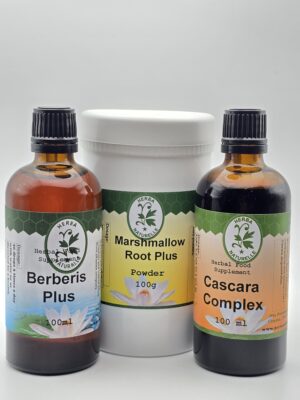 Digestive reset bundle
Original price was: £151.65.£144.95Current price is: £144.95.
-
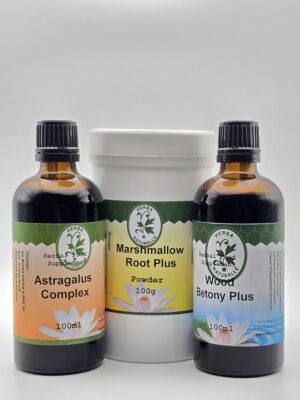 Smooth muscle and immune reset Bundle
Original price was: £177.60.£159.95Current price is: £159.95.
-
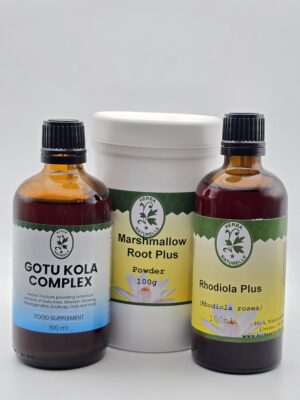 Nervous System Reset
Original price was: £163.68.£149.95Current price is: £149.95.
-
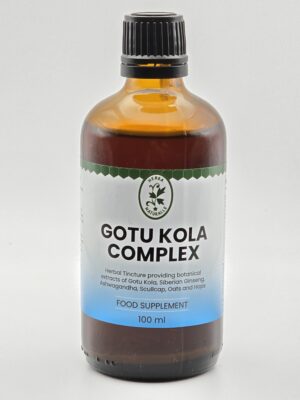 Gotu Kola Complex
£26.95


About the Author

Holistic Herbalist in UK · 30 Years of Excellence at Croydon, GB
Angela Jegnathan brings over 30 years of experience in integrated medicine and more than 25 years of full-time clinical herbal practice. Specializing in holistic herbal medicine, she focuses on restoring digestive health, calming the nervous system, and supporting the body's natural inflammatory response through evidence-based, patient-centered care.
Expertise: Holistic Herbs, Natural Medicines, Herbal Health
30 years of experience
