
10 Signs of an Unhealthy Gut: What Your Body Is Telling You
The gut is often called the second brain, and with good reason. When it is not functioning well, the effects are felt throughout the entire body, not just in the abdomen. Here are 10 of the most significant signs that your gut health may need attention, and what each one reveals about what is happening internally.
1. Persistent Bloating
Bloating that is present most days, particularly if it worsens through the day, is present immediately after eating even small amounts of food, or is accompanied by visible abdominal distension, is a clear signal that the gut is not processing food efficiently. The most common causes are bacterial fermentation of undigested carbohydrates, sluggish bowel transit, insufficient digestive enzyme or acid production, and small intestinal bacterial overgrowth (SIBO).
Occasional bloating after a large meal is normal. Daily bloating that affects quality of life is not.
2. Irregular Bowel Movements
Healthy bowel function involves passing a well-formed stool at least three times per week, and ideally once or twice daily. Persistent constipation (infrequent, hard, or incomplete stools) or persistent diarrhoea (loose, frequent, or urgent), or the alternating pattern of both, indicates that the smooth muscle of the intestinal wall is not working with its optimal rhythm.
Using the Bristol Stool Form Scale to track your stool type is a useful monitoring tool. Types 1–2 indicate slow transit; types 6–7 indicate fast transit.
3. Chronic Fatigue
The connection between gut health and energy is direct and physiologically well-established. When the gut lining is inflamed or damaged, nutrient absorption is impaired, regardless of what you eat. Iron, B12, magnesium, and zinc deficiency are common consequences of poor gut absorption, and all cause significant fatigue. The gut microbiome also produces B vitamins and short-chain fatty acids that contribute to cellular energy production.
Persistent unexplained fatigue, particularly alongside digestive symptoms, warrants investigation of gut health.
4. Food Intolerances
Developing sensitivities to foods that were previously tolerated, particularly multiple foods, is a hallmark of increased intestinal permeability (sometimes called leaky gut). When the tight junctions of the gut wall become compromised, partially digested food particles enter the bloodstream and trigger immune responses that manifest as food sensitivity reactions.
Common triggers include gluten, dairy, eggs, soy, and high-FODMAP foods, though individual patterns vary considerably.
5. Skin Conditions
Eczema, psoriasis, acne, rosacea, and chronic hives all have documented gut connections. The gut-skin axis is a recognised physiological relationship, gut microbiome composition and intestinal permeability influence the systemic inflammatory environment that drives skin inflammation.
Research consistently shows that people with chronic skin conditions have a different microbiome composition from those without, and that improving gut health often produces meaningful skin improvements.
6. Frequent Illness or Infections
Approximately 70% of the immune system is located in the gut, in the gut-associated lymphoid tissue (GALT). When the gut microbiome is disrupted or the gut lining is compromised, immune regulation is impaired. People with poor gut health frequently get more colds and infections, take longer to recover, and may have heightened allergic or inflammatory responses.
7. Mood Changes, Anxiety, or Low Mood
The gut-brain axis is bidirectional, but the gut’s influence on the brain is now understood to be at least as significant as the brain’s influence on the gut. The gut produces approximately 90% of the body’s serotonin, as well as GABA, dopamine precursors, and numerous other neuroactive compounds. Dysbiosis (microbiome imbalance) and leaky gut disrupt this chemistry, contributing to anxiety, low mood, cognitive fog, and mood instability.
If you notice that your mood, anxiety levels, and digestive symptoms tend to fluctuate together, this gut-brain connection is likely relevant.
8. Sleep Disturbances
The gut microbiome is involved in the production of serotonin, the primary precursor to melatonin, the sleep hormone. Disrupted gut health impairs this production pathway, potentially contributing to difficulty falling asleep and poor sleep quality. Additionally, the inflammatory signals produced by a compromised gut lining activate the nervous system in ways that impair the parasympathetic state needed for restful sleep.
9. Unintentional Weight Changes
Unexplained weight gain or difficulty losing weight despite dietary effort can reflect gut health issues, particularly microbiome composition. Certain bacterial profiles are associated with greater caloric extraction from food and with the metabolic changes that promote weight gain. Conversely, weight loss alongside digestive symptoms can indicate malabsorption.
10. Bad Breath (Halitosis)
Persistent bad breath that is not resolved by good oral hygiene often originates in the gut rather than the mouth. H. pylori infection in the stomach, SIBO, constipation, and liver congestion all produce sulphur-containing compounds that are exhaled via the breath. If dental causes have been excluded, gut health assessment is the next step.
What to Do Next
If several of these signs are familiar, the starting point is a visit to your GP to rule out specific conditions including coeliac disease, inflammatory bowel disease, and other structural diagnoses. From there, a systematic approach to gut health, addressing diet, stress, microbiome balance, and gut lining integrity, can produce meaningful, lasting improvements.
At Herba Naturalle, the gut is understood as a system of interconnected layers, each requiring specific support. The Digestive Reset Bundle, combining Berberis Plus and Marshmallow Root Plus, is designed to restore digestive function, strengthen the gut lining, and clear the inflammatory burden that underlies many of the signs listed above.
Read more at About Herbal Medicine or view case scenarios.
Contact the clinic for a personal consultation.
The Herba Naturalle 3-Step Bundle
The Herba Naturalle Bundle addresses unhealthy gut signs at their root through three steps:
Step 1, Restore Digestion: The Digestive Reset Bundle addresses the digestive fire, bowel rhythm, and gut lining integrity that underpin most of the signs listed above.
Step 2, Calm the Surface Nervous System: The Nervous System Reset addresses the gut-brain axis, the connection between stress, mood, and gut function.
Step 3, Heal the Smooth Muscle Lining: The Smooth Muscle and Immune Reset Bundle targets the root structural inflammation of the gut wall that drives intestinal permeability and immune dysregulation.
This article is for informational purposes only. Please consult your GP if you experience any of these symptoms persistently, particularly if they are new, worsening, or accompanied by blood in your stool or unexplained weight loss.
Our Trending Products & Bundles
-
 Digestive reset bundle
Original price was: £151.65.£144.95Current price is: £144.95.
Digestive reset bundle
Original price was: £151.65.£144.95Current price is: £144.95.
-
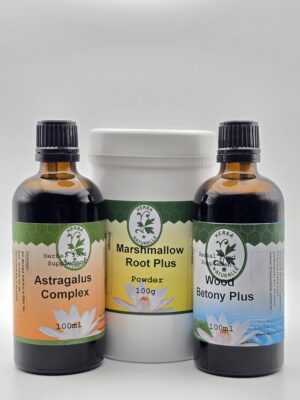 Smooth muscle and immune reset Bundle
Original price was: £177.60.£159.95Current price is: £159.95.
Smooth muscle and immune reset Bundle
Original price was: £177.60.£159.95Current price is: £159.95.
-
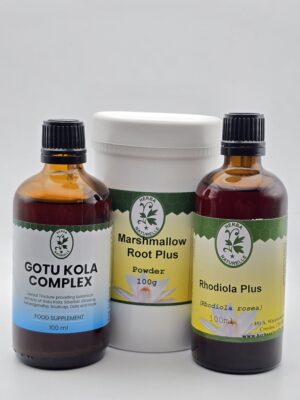 Nervous System Reset
Original price was: £163.68.£149.95Current price is: £149.95.
Nervous System Reset
Original price was: £163.68.£149.95Current price is: £149.95.
-
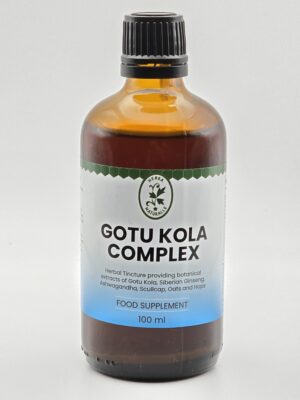 Gotu Kola Complex
£26.95
Gotu Kola Complex
£26.95


About the Author

Holistic Herbalist in UK · 30 Years of Excellence at Croydon, GB
Angela Jegnathan brings over 30 years of experience in integrated medicine and more than 25 years of full-time clinical herbal practice. Specializing in holistic herbal medicine, she focuses on restoring digestive health, calming the nervous system, and supporting the body's natural inflammatory response through evidence-based, patient-centered care.
Expertise: Holistic Herbs, Natural Medicines, Herbal Health
30 years of experience
