Enzyme Digest: How Digestive Enzymes Work and When You Need Them
Digestive enzymes are the workhorses of the gut, the biological catalysts that break food down into the smaller molecules that the body can absorb and use. When enzyme production is adequate, digestion is comfortable, efficient, and largely invisible. When it falls short, the consequences range from mild bloating and gas to significant nutrient malabsorption and chronic ill health. This guide explains how digestive enzymes work, when supplementation may help, and how to choose wisely.
What Are Digestive Enzymes?
Digestive enzymes are proteins produced by the body, primarily by the salivary glands, stomach, small intestine, and pancreas, that break down food components into absorbable units:
Amylases, break down starches (complex carbohydrates) into simple sugars. Produced in saliva (salivary amylase) and by the pancreas (pancreatic amylase).
Proteases (peptidases), break down proteins into amino acids and peptides. Produced in the stomach (pepsin, requiring hydrochloric acid for activation) and by the pancreas (trypsin, chymotrypsin, elastase).
Lipases, break down dietary fats (triglycerides) into fatty acids and monoglycerides. Produced primarily by the pancreas, with minor contributions from the stomach.
Lactase, breaks down lactose (milk sugar) into glucose and galactose. Produced in the brush border of the small intestine; reduced or absent in lactose intolerance.
Sucrase-isomaltase, breaks down sucrose (table sugar) and some starches; produced in the small intestinal lining.
Cellulase, humans do not produce their own cellulase; some supplemental digestive enzyme products include microbial cellulase to help break down plant fibre, though the clinical benefit of this is unclear.
Why Might Digestive Enzyme Production Be Insufficient?
Several common situations reduce digestive enzyme activity:
Advancing age, the production of hydrochloric acid (HCl) in the stomach declines with age (hypochlorhydria), impairing the activation of pepsin and reducing the stimulus for pancreatic enzyme secretion.
Chronic stress, the digestive system operates in the parasympathetic “rest and digest” state. Chronic sympathetic nervous system activation (the stress response) suppresses digestive secretions including enzymes and stomach acid.
Pancreatic conditions, chronic pancreatitis, cystic fibrosis, and pancreatic cancer can significantly impair pancreatic enzyme output. Pancreatic exocrine insufficiency (PEI) may require prescription enzyme replacement therapy (such as Creon).
Small intestinal damage, conditions including coeliac disease, Crohn’s disease affecting the small bowel, and post-infectious enteritis can reduce the enzyme-producing brush border cells of the small intestinal lining.
Proton pump inhibitors (PPIs), acid-suppressing medications reduce HCl in the stomach, which impairs protein digestion and the stimulus for downstream enzyme release.
Gallbladder removal, bile from the gallbladder is essential for emulsifying fats before lipase can act. After cholecystectomy, the absence of a bile reservoir can impair fat digestion.
SIBO (small intestinal bacterial overgrowth), bacteria in the small intestine can compete for nutrients before enzymes can act, and may damage the brush border cells that produce intestinal enzymes.
Symptoms of Inadequate Digestive Enzyme Activity
- Bloating, gas, and flatulence after meals
- Feeling heavy or “stuck” after eating
- Undigested food in stool (steatorrhoea, pale, greasy, floating stools, suggests fat malabsorption)
- Nutrient deficiencies despite a varied diet (particularly iron, B12, fat-soluble vitamins A, D, E, K)
- Chronic fatigue
- Nausea after fatty meals
Who May Benefit from a Digestive Enzyme Supplement?
Digestive enzyme supplements (available over the counter) may be beneficial for:
- People with mild-to-moderate bloating and digestive discomfort after meals
- Those with lactose intolerance (lactase supplements)
- Those eating unfamiliar foods when travelling
- Older adults experiencing age-related reduction in digestive secretions
- Those with confirmed low stomach acid (hypochlorhydria), look for products containing betaine HCl alongside enzymes
- Post-cholecystectomy patients experiencing fat digestion difficulties
Prescription enzyme replacement (Creon or similar) is required for pancreatic exocrine insufficiency, over-the-counter supplements are not adequate for this condition.
What to Look for in an Enzyme Digest Supplement
- Broad-spectrum formula, covering amylase, protease, and lipase at minimum
- Stated enzyme activity units, labelled in DU (amylase), HUT (protease), FIP (lipase) rather than simply milligrams of enzyme
- Enteric coating or acid-stable enzymes, to ensure the enzymes survive the stomach’s acid environment and are released in the small intestine where they act
- Added betaine HCl, if low stomach acid is a factor (particularly in older adults)
- Plant-based enzymes (from Aspergillus species), these work across a wider pH range than animal-derived (pancreatin) enzymes, making them more effective
A Herbalist’s Approach to Digestive Enzyme Support
At Herba Naturalle, digestive enzyme supplementation is considered alongside the broader question of why enzyme production is insufficient in the first place. The Berberis Plus, containing gentian (a powerful bitter digestive stimulant), artichoke (supports bile and liver function), and fennel, directly stimulates the body’s own production of digestive secretions, including enzymes, stomach acid, and bile. This is a more sustainable approach than indefinite supplementation with exogenous enzymes.
Explore the Digestive Reset Bundle or read more at About Herbal Medicine.
Contact the clinic to discuss your digestive health in detail.
The Herba Naturalle 3-Step Bundle
The Herba Naturalle Bundle restores the body’s own enzyme production capacity through three root-level steps:
Step 1, Restore Digestion: The Digestive Reset Bundle stimulates digestive secretions, including enzymes, stomach acid, and bile, through herbal bitters and digestive tonics.
Step 2, Calm the Surface Nervous System: The Nervous System Reset restores the parasympathetic state in which digestive enzyme secretion naturally occurs.
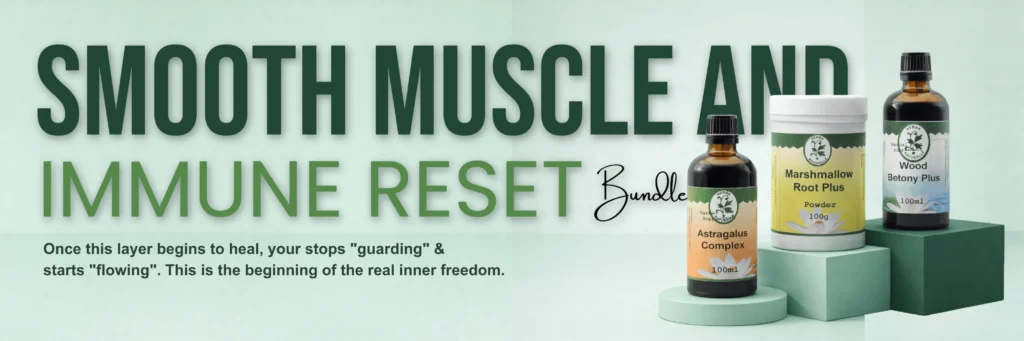
Step 3, Heal the Smooth Muscle Lining: The Smooth Muscle and Immune Reset Bundle repairs the intestinal brush border lining that produces many of the digestive enzymes most critical for small bowel absorption.
This article is for informational purposes only. If you have symptoms of severe fat malabsorption or a diagnosed pancreatic condition, please consult your GP before using digestive enzyme supplements.
Our Trending Products & Bundles
-
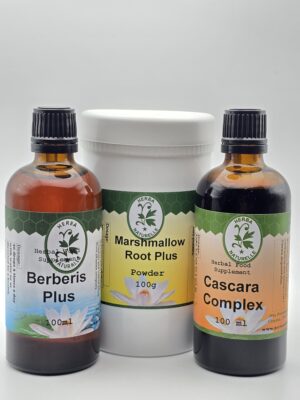 Digestive reset bundle
Original price was: £151.65.£144.95Current price is: £144.95.
Digestive reset bundle
Original price was: £151.65.£144.95Current price is: £144.95.
-
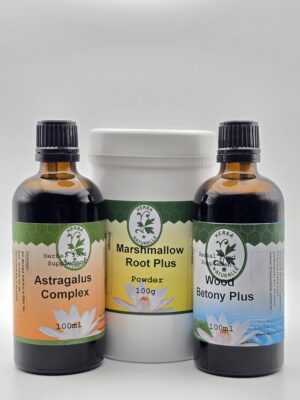 Smooth muscle and immune reset Bundle
Original price was: £177.60.£159.95Current price is: £159.95.
Smooth muscle and immune reset Bundle
Original price was: £177.60.£159.95Current price is: £159.95.
-
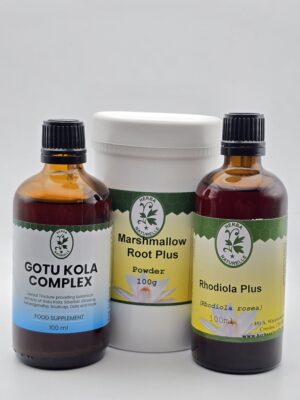 Nervous System Reset
Original price was: £163.68.£149.95Current price is: £149.95.
Nervous System Reset
Original price was: £163.68.£149.95Current price is: £149.95.
-
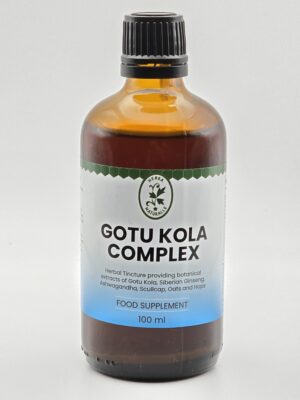 Gotu Kola Complex
£26.95
Gotu Kola Complex
£26.95

About the Author

Holistic Herbalist in UK · 30 Years of Excellence at Croydon, GB
Angela Jegnathan brings over 30 years of experience in integrated medicine and more than 25 years of full-time clinical herbal practice. Specializing in holistic herbal medicine, she focuses on restoring digestive health, calming the nervous system, and supporting the body's natural inflammatory response through evidence-based, patient-centered care.
Expertise: Holistic Herbs, Natural Medicines, Herbal Health
30 years of experience
