Herbal Medicine for Endometriosis: What the Evidence and Traditional Use Show
It usually starts the same way. A woman spends years being told her periods are simply “bad”, that the pain is normal, that painkillers and the pill are the only real options. Then, often after seeing several doctors, she finally gets a diagnosis: endometriosis. By that point she has usually already gone looking for something more, and herbal medicine for endometriosis is one of the first things she types into a search bar at two in the morning, exhausted and looking for answers nobody has given her yet.
This article will not pretend herbs can dissolve endometrial tissue or replace proper diagnosis and monitoring. What it will do is walk through what herbal medicine can realistically offer, where the evidence is solid, where it is thin, and how a herbalist actually approaches a case like this in clinic.
What Endometriosis Actually Is (and Why It’s So Often Missed)
Endometriosis happens when tissue similar to the lining of the womb grows outside the uterus, on the ovaries, the bowel, the bladder, sometimes further afield. That tissue still responds to the hormonal cycle, so it thickens, breaks down and bleeds each month, just like the womb lining does, except it has nowhere to go. The result is inflammation, scarring, and for many women, pain that reshapes their whole life around it.
It takes an average of seven to ten years for a diagnosis in the UK, partly because period pain is so often dismissed. If you’re trying to understand your own cycle better before you even get to treatment, our piece on women’s health and herbal medicine is a useful starting point, since hormonal cycles sit right at the centre of this condition.
Where Herbal Medicine Actually Fits
Herbalists don’t treat endometriosis as a single problem with a single herb. In clinic, the approach usually works on three fronts at once: calming inflammation, supporting the liver’s role in clearing excess oestrogen, and easing the smooth muscle spasm that makes period pain so severe.
Understanding inflammation as the root driver of so many chronic conditions helps explain why anti-inflammatory herbs sit at the heart of most endometriosis protocols, rather than herbs marketed purely as “period pain relief”. Reducing the inflammatory load doesn’t cure the lesions, but it can meaningfully reduce the pain signal and the knock-on fatigue that comes with living in a constant low grade inflammatory state.
Herbs Traditionally Used for Hormonal and Pain Support
Agnus Castus is one of the most researched herbs in women’s health, traditionally used to support the balance between oestrogen and progesterone across the cycle. It won’t switch off endometrial growth, but a more balanced cycle often means less erratic, less severe pain.
Dong Quai, sometimes called Chinese medicine’s female ginseng, has a long history of use for menstrual irregularity and pelvic circulation, and it’s frequently combined with other herbs rather than used alone.
For the cramping itself, Cramp Bark is the herbalist’s first reach. It’s an antispasmodic specifically suited to smooth muscle, which is exactly the tissue type involved in uterine cramping, and it’s often paired with Motherwort, a herb with a long folk history in gynaecological complaints and a name that quite literally reflects what it’s traditionally been used for.
False Unicorn Root is less well known outside herbal circles but has a strong traditional reputation as a female reproductive tonic, used where the cycle feels persistently out of rhythm.
Why the Liver Matters More Than People Expect
This is the part that surprises most people. Oestrogen isn’t just produced, it also has to be cleared from the body, and that clearance happens largely in the liver. If liver detoxification pathways are sluggish, oestrogen can recirculate rather than being properly broken down and excreted, which may contribute to the oestrogen dominance pattern seen in many endometriosis cases.
Milk Thistle Seed is the classic liver support herb in Western herbal medicine, protecting liver cells and supporting the enzymatic pathways involved in hormone metabolism. It’s rarely the headline herb in an endometriosis formula, but many experienced herbalists will tell you it’s one of the most important ones.
The Fatigue Nobody Warns You About
Chronic pelvic pain, heavy bleeding and the emotional weight of a long diagnostic journey all take a toll that goes well beyond the pelvis. Many women with endometriosis describe a bone deep tiredness that doesn’t lift with sleep, which overlaps closely with what we cover in herbal medicine for chronic fatigue and low energy. Chronic pain is also, unsurprisingly, a significant stressor on the nervous system, and how chronic stress affects the body explains why that stress response can end up amplifying the very pain it’s reacting to, creating a loop that’s hard to break without addressing both sides.
What the Evidence Actually Says
Honesty matters here, more than most other topics. Clinical trial evidence specifically on herbal medicine for endometriosis is limited compared with, say, research on herbs for menopause or PCOS. Much of what herbalists rely on is a combination of traditional use, mechanistic plausibility (how a herb’s known actions map onto the disease process), and clinical case experience built up over decades. That is not the same as a large randomised controlled trial, and any herbalist worth seeing will tell you that plainly rather than overselling what a bottle of tincture can do.
What the research does support more confidently is the anti-inflammatory and antispasmodic action of several of the herbs mentioned above, and their general safety profile when used appropriately. That’s a meaningful foundation, even if it falls short of a guaranteed cure, and it’s the honest place from which any responsible herbalist starts the conversation.
Diet and Inflammation: The Part Herbs Can’t Do Alone
No herb works well against a diet that keeps feeding the inflammatory fire it’s trying to put out. Refined sugar, excess alcohol and highly processed foods all tend to raise inflammatory markers in the body, and for someone with endometriosis, that translates fairly directly into more pain, not less. This doesn’t mean rigid dietary rules or another layer of restriction on top of an already difficult condition. It usually means small, sustainable shifts, more oily fish, more vegetables, less of the foods that reliably seem to trigger a flare for that particular person, because the trigger foods do vary from one woman to the next.
Alcohol deserves a specific mention here, since it places additional load on the same liver pathways responsible for clearing excess oestrogen. Cutting back, even without eliminating it entirely, often makes a noticeable difference within a couple of cycles for women whose intake was previously higher.
A Typical Case in Clinic
A woman in her early thirties came to clinic having been diagnosed two years earlier, already on hormonal treatment but still experiencing debilitating pain for roughly a week each cycle, along with fatigue that left her cancelling plans regularly. Rather than reaching for a single “endometriosis herb”, the approach combined Cramp Bark and Motherwort for the acute pain phase, Milk Thistle taken daily to support oestrogen clearance, and a handful of dietary changes focused mainly on reducing alcohol and increasing oily fish intake.
Nothing here was dramatic or fast. Over three to four cycles, the pain window shortened from around a week to two or three days, and the fatigue lifted enough that she stopped needing to plan her whole month around it. That’s a realistic outcome, not a cure, but it’s also exactly the kind of meaningful, lived improvement that herbal medicine can genuinely offer when it’s approached properly rather than as a magic bullet.
Building a Realistic Plan
A herb taken in isolation, without attention to diet, stress, sleep and the inflammatory load of daily life, rarely achieves much on its own. The women who see the most benefit tend to be the ones who treat herbal medicine as one part of a wider plan, alongside proper medical monitoring and, where needed, conventional treatment.
If you’d like a proper case history taken before anything is recommended, you can book a consultation, or go straight ahead and book an appointment online. You can also browse the full herb directory to read more about individual herbs mentioned here, or visit our About Herbal Medicine page to understand the clinical approach behind these recommendations. For everything else, our homepage has the full picture of how the clinic works.
Endometriosis is a condition that deserves patience, proper investigation and a plan built around the individual, not a single herb pulled off a shelf. Herbal medicine has a genuine place in that plan. It just isn’t the whole story, and anyone who tells you otherwise probably hasn’t sat with enough patients to know better.
Our Trending Products & Bundles
-
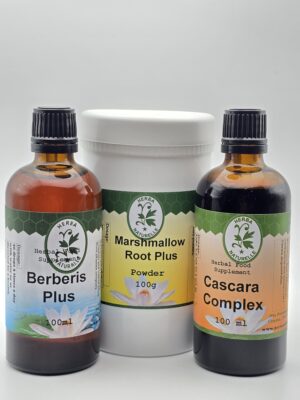 Digestive reset bundle
Original price was: £151.65.£144.95Current price is: £144.95.
-
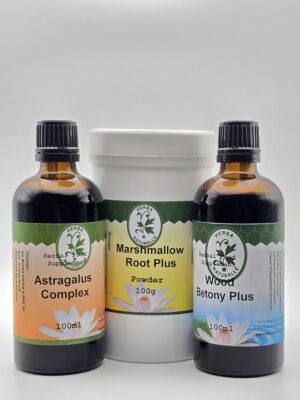 Smooth muscle and immune reset Bundle
Original price was: £177.60.£159.95Current price is: £159.95.
-
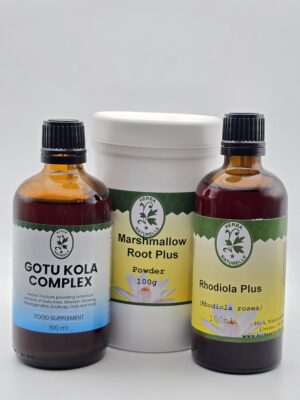 Nervous System Reset
Original price was: £163.68.£149.95Current price is: £149.95.
-
 Gotu Kola Complex
£26.95

About the Author

Holistic Herbalist in UK · 30 Years of Excellence at Croydon, GB
Angela Jegnathan brings over 30 years of experience in integrated medicine and more than 25 years of full-time clinical herbal practice. Specializing in holistic herbal medicine, she focuses on restoring digestive health, calming the nervous system, and supporting the body's natural inflammatory response through evidence-based, patient-centered care.
Expertise: Holistic Herbs, Natural Medicines, Herbal Health
30 years of experience
