
Herbs for Low Mood in Winter: A Herbalist’s Guide to Seasonal Support
There’s a particular kind of tiredness that arrives around late October and doesn’t really lift until spring. It isn’t dramatic. It’s more like the volume being turned down on everything, motivation, appetite for socialising, the will to get out of bed before it’s fully light outside. Clients rarely walk into clinic saying “I think I have seasonal affective disorder.” They usually just say they feel flat, and they want to know if herbs for low mood in winter are actually worth trying before reaching for anything stronger.
The honest answer is that some herbs have real evidence behind them for mild to moderate low mood, and a herbalist’s job is knowing which ones, in what form, and where the limits of that support sit.
Why Winter Hits Mood So Hard
Reduced daylight affects the body’s production of both melatonin and serotonin, two chemicals with a direct hand in mood, sleep and energy regulation. Add in the fact that many people move less, eat differently and socialise less in winter, and you have a perfect storm for what’s often loosely called the “winter blues”, and in more persistent, severe cases, seasonal affective disorder.
This overlaps closely with broader patterns discussed in mental health in the UK: depression, anxiety, NHS support and natural approaches, and it’s worth reading that piece if you want the wider clinical picture before narrowing in on herbs specifically.
The Herb With the Strongest Evidence
St. John’s Wort is, without much competition, the most researched herb for mood support in the Western herbal tradition. Multiple clinical trials have compared it favourably to standard antidepressants for mild to moderate depression, which is a genuinely unusual level of evidence for a herbal medicine. It does, however, interact significantly with a long list of medications, including the contraceptive pill and some prescribed antidepressants, so it is not a herb to self-prescribe if you take anything else regularly. This is precisely the kind of decision worth taking to a qualified herbalist rather than working out alone from a forum post.
Herbs for the Exhaustion Underneath the Low Mood
Winter low mood often travels with fatigue rather than sadness alone, and that’s where adaptogens earn their place. Rhodiola Root is particularly well suited to low mood that shows up as flatness and lack of drive rather than tearfulness, helping the body cope with the physiological stress of shortened days and disrupted circadian rhythm. Ashwagandha Root works from a slightly different angle, calming an overactive stress response while gently supporting energy, which makes it a common companion herb where anxiety and low mood sit side by side.
Calming the Nervous System Without Sedating It
Not every low mood picture in winter is about lack of energy. Some people feel more wired and anxious as the days shorten, unable to properly rest even though they’re exhausted. Lemon Balm is a gentle nervine that lifts mood while easing tension, without the drowsiness that heavier sedatives can bring. Passion Flower is another good option where anxious rumination is part of the picture, particularly in the evening when the mind won’t switch off.
Oat Seed, taken as the milky, unripe seed rather than the grain most people know from breakfast, is one of the most underrated nervous system restoratives in herbal medicine. It’s used specifically where the nervous system feels depleted from prolonged stress or overwork, which describes a huge proportion of people by the time January arrives.
Sleep Is Not Optional Here
Poor sleep and low mood feed each other in both directions, and winter often disrupts sleep quality even as it increases the hours of darkness available for it. Our full guide to herbal medicine for sleep covers this properly, and it’s worth reading alongside this article rather than treating mood and sleep as separate problems, because in practice they almost never are.
The Stress Connection Nobody Mentions
Winter often coincides with the run up to Christmas, end of year deadlines and a general sense of the year closing in, all of which raise baseline stress load right when daylight is at its lowest. How chronic stress affects the body explains the physiological mechanics behind why stress and low mood so often arrive together, rather than being coincidental, and understanding that link changes how a herbalist approaches the whole case, not just the mood symptom on its own.
If low mood is accompanied by brain fog, our piece on herbs for brain fog covers the overlapping territory of concentration and mental clarity, since the two so often show up together in winter.
A Note on Men’s Mental Health
Low mood in winter is frequently under-discussed among men specifically, who are statistically less likely to seek help for it. If this applies to you or someone you know, men’s mental health awareness month is worth a read, since it addresses the particular barriers that stop men reaching out until symptoms are further along than they need to be.
Light, Movement and the Things Herbs Can’t Replace
It would be dishonest to write an entire article about herbs for winter mood without being clear that light exposure is probably the single most powerful intervention available. Getting outside during daylight hours, even on grey days, has a measurable effect on mood regulation that no herb fully replicates. Light therapy boxes, used first thing in the morning, are genuinely evidence backed for seasonal affective disorder specifically, and many herbalists will recommend one alongside herbal support rather than instead of it.
Movement matters almost as much. Even a short daily walk, ideally outdoors rather than on a treadmill, supports the same neurochemical pathways that low mood herbs are working on, and the combination tends to outperform either approach used alone. None of this is about adding pressure to an already difficult season. It’s about stacking small, realistic supports rather than expecting one herb to carry the whole weight of a long, dark winter by itself.
A Case Worth Mentioning
A client in his forties came in describing himself as “just tired of being tired” every winter for years, assuming it was simply his personality rather than anything treatable. His pattern was flatness and low drive rather than sadness, which pointed toward Rhodiola rather than a more calming nervine. Combined with a short morning walk before work and a conscious effort to keep his usual autumn deadline crunch from spilling into every evening, his energy noticeably lifted within around six weeks, well before the darkest part of winter had even arrived. He still finds winter harder than summer. It’s no longer the write off it used to be.
What a Sensible Winter Plan Looks Like
No single herb replaces daylight, movement, proper sleep and connection with other people, and if low mood is severe, persistent or accompanied by thoughts of self-harm, that needs proper medical attention rather than herbal support alone. Where herbs genuinely help is in supporting the body’s resilience through a season that asks a lot of it, and our Nervous System Reset formulation was built with exactly this seasonal, overstretched picture in mind.
If you want a proper assessment of what’s actually driving your low mood before choosing anything, you can book a consultation or go straight to booking an appointment online. The full herb directory has more detail on every herb mentioned here, and our homepage has everything else you need to know about how the clinic works.
Winter doesn’t have to be endured in the same flat, foggy way every year. With the right support, most people find the season considerably more liveable, and that’s a realistic, evidence grounded goal worth aiming for.
Knowing When Herbs Aren’t Enough
It’s worth being direct about one more thing before closing. If low mood is severe, if it’s accompanied by hopelessness that doesn’t lift, or if you’re having thoughts of harming yourself, that’s a situation calling for immediate professional support, not a herbal tea and a longer walk. Herbs genuinely help with the milder, more common end of winter low mood, the flatness, the low motivation, the sense of running on empty until spring. They are not, and were never meant to be, a substitute for proper mental health care when the picture is more serious than that. A good herbalist will tell you this honestly and, where appropriate, encourage you toward additional support rather than simply reaching for another bottle.
Our Trending Products & Bundles
-
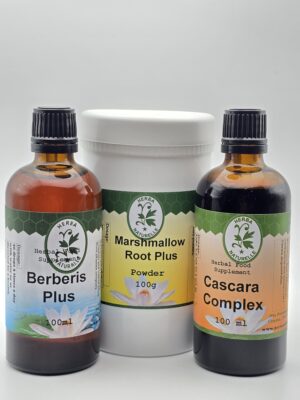 Digestive reset bundle
Original price was: £151.65.£144.95Current price is: £144.95.
-
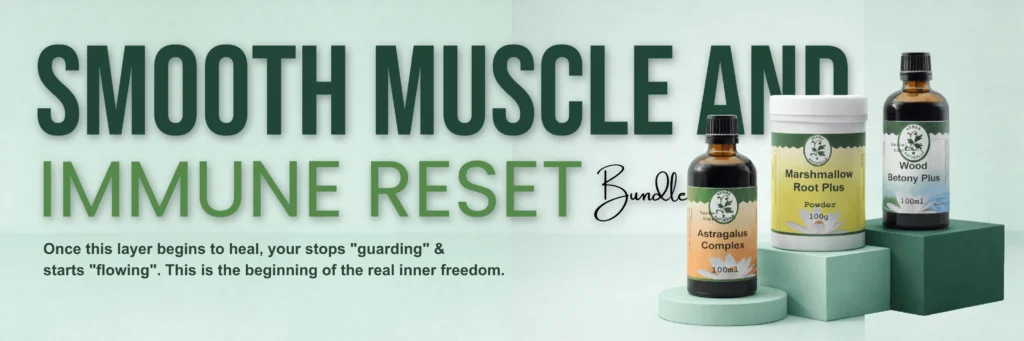
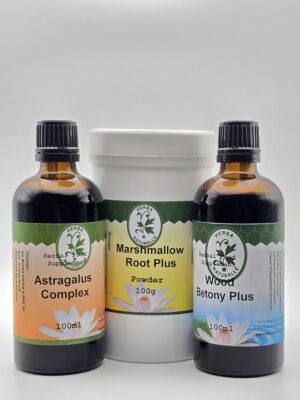 Smooth muscle and immune reset Bundle
Original price was: £177.60.£159.95Current price is: £159.95.
-
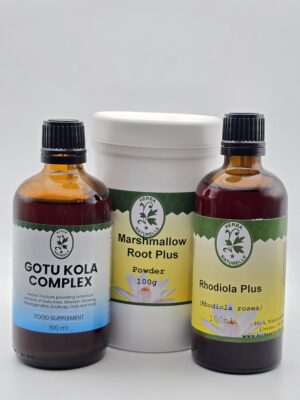 Nervous System Reset
Original price was: £163.68.£149.95Current price is: £149.95.
-
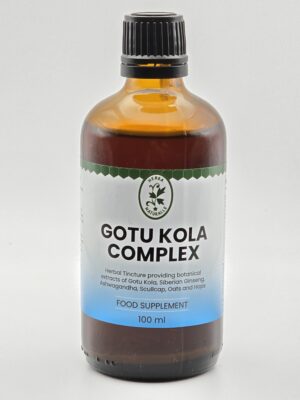 Gotu Kola Complex
£26.95

About the Author

Holistic Herbalist in UK · 30 Years of Excellence at Croydon, GB
Angela Jegnathan brings over 30 years of experience in integrated medicine and more than 25 years of full-time clinical herbal practice. Specializing in holistic herbal medicine, she focuses on restoring digestive health, calming the nervous system, and supporting the body's natural inflammatory response through evidence-based, patient-centered care.
Expertise: Holistic Herbs, Natural Medicines, Herbal Health
30 years of experience
