Dong Quai (Angelica sinensis): Chinese Medicine’s Female Ginseng
Dong Quai — Angelica sinensis — is the most important gynaecological herb in Traditional Chinese Medicine, where it has been used continuously for over two thousand years. Known as Dang Gui in Chinese — meaning “the one who should return” — it was considered the quintessential herb for restoring balance and flow to the female reproductive system. Often called “female ginseng” in the West for its tonic and regulatory effects on female hormonal health, Dong Quai is one of the most widely used herbs in the world and one of the most extensively researched for female reproductive applications.
At Herba Naturalle, Dong Quai is listed in the comprehensive herb index as a primary female blood-building and reproductive tonic — used alongside the Shatavari Complex and within the broader Smooth Muscle and Immune Reset Bundle framework for female reproductive smooth muscle health.
Active Compounds
- Phthalides — ligustilide, n-butylidenephthalide, and related compounds; antispasmodic on uterine smooth muscle (dual action — stimulating and relaxing depending on hormonal context); central nervous system depressant
- Ferulic acid — the primary phenolic compound; antioxidant, anti-inflammatory, antiplatelet, and vasodilatory
- Polysaccharides — immunomodulatory; haematopoietic-stimulating (promoting blood cell formation)
- Coumarins — osthole and related compounds; vasodilatory and anticoagulant activity
Clinical Applications
Menstrual Regulation
The primary application. In TCM terms, Dong Quai “moves Blood” — an expression that maps onto its Western pharmacological actions of improving uterine blood flow, reducing uterine spasm, and normalising the hormonal-vascular environment that governs the menstrual cycle. Used for:
- Irregular menstrual cycles
- Scanty, light, or absent periods
- Painful periods (dysmenorrhoea) — the antispasmodic phthalides relax uterine cramping
- Pale, light periods associated with blood deficiency
Blood Building and Anaemia
Dong Quai polysaccharides stimulate haematopoiesis (blood cell production) and are used in TCM blood-deficiency patterns — the constellation of pale complexion, fatigue, dizziness, palpitations, and poor concentration that accompanies iron deficiency anaemia and post-illness depletion.
Menopausal Symptoms
Used in menopausal protocols alongside other herbs for hot flushes and vaginal dryness — though the phyto-oestrogenic mechanism is less clear than Agnus-castus or Black Cohosh; it likely acts more through improving blood flow to the reproductive tissues.
Cardiovascular Support
Ferulic acid’s vasodilatory and antiplatelet effects make Dong Quai relevant in cardiovascular protocols — improving peripheral circulation and reducing platelet aggregation.
How to Use
- Decoction: 3–15g dried root in 500ml water, simmered 30 minutes; the classic Chinese preparation
- Tincture (1:3): 3–5ml twice daily
- Typically used in formula combinations in TCM; works best with professional guidance
Safety — Important Considerations
- Pregnancy: Contraindicated — the phthalides have bidirectional uterine activity and the risk of miscarriage is well recognised; avoid throughout pregnancy
- Heavy menstrual bleeding: The blood-moving action may worsen heavy periods — use with professional guidance
- Anticoagulants: Ferulic acid and coumarins have antiplatelet and anticoagulant activity — significant interaction with warfarin; do not use together without specialist monitoring
- Oestrogen-sensitive conditions: Use with professional guidance
- Surgery: Discontinue 2 weeks before elective surgery due to anticoagulant effects
Contact Herba Naturalle for personalised female reproductive herbal support. Browse all products and the full herb index.
This article is for informational purposes only. Please consult a qualified medical herbalist before use, particularly if you take anticoagulant medication.
Our Trending Products & Bundles
-
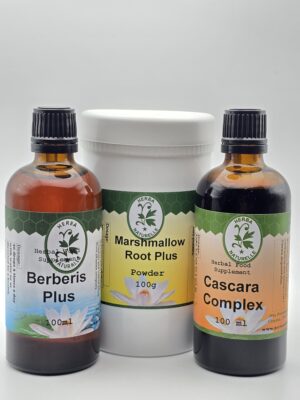 Digestive reset bundle
Original price was: £151.65.£144.95Current price is: £144.95.
Digestive reset bundle
Original price was: £151.65.£144.95Current price is: £144.95.
-
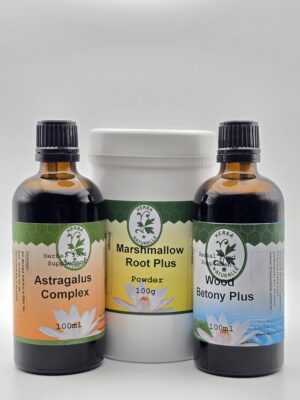 Smooth muscle and immune reset Bundle
Original price was: £177.60.£159.95Current price is: £159.95.
Smooth muscle and immune reset Bundle
Original price was: £177.60.£159.95Current price is: £159.95.
-
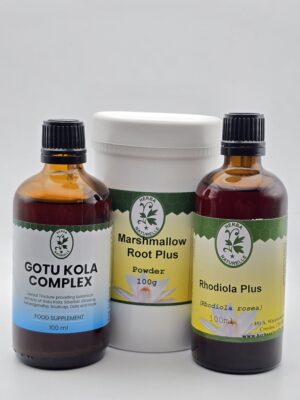 Nervous System Reset
Original price was: £163.68.£149.95Current price is: £149.95.
Nervous System Reset
Original price was: £163.68.£149.95Current price is: £149.95.
-
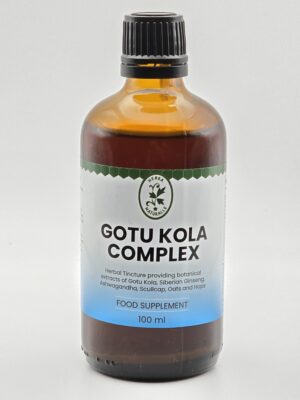 Gotu Kola Complex
£26.95
Gotu Kola Complex
£26.95