
Chamomile and Valerian: Two Powerful Herbs for Anxiety, Sleep and Calm
Introduction
Of all the herbs that people reach for when anxiety or sleeplessness strikes, chamomile and valerian are the two most widely used in the UK and across Europe. Both have centuries of traditional use and, increasingly, a body of clinical evidence to support them. This article explores what these herbs actually do, how to use them safely, and how they compare to one another for different purposes.
Chamomile: The World’s Most Drunk Medicinal Herb
Chamomile (Matricaria chamomilla and Chamaemelum nobile) is likely the most widely consumed medicinal herb in the world. From the manzanilla tea drunk across Spain and Latin America to the classic chamomile infusion sold in every UK supermarket, this gentle daisy-like flower has a long-standing reputation as a calming, soothing medicine.
What Is Manzanilla Tea?
“Manzanilla” is the Spanish name for chamomile, literally meaning “little apple” in reference to the apple-like scent of the flowers. In Spain, Latin America, and across much of the Mediterranean world, manzanilla tea is a household staple taken after meals for digestion, before bed for sleep, and at any point in the day when the nervous system needs calming. It is the same plant known in the UK as German chamomile or camomile, just with a different cultural name.
Chamomile Tea Benefits: What the Evidence Shows
Anxiety and Nervous System Support
Several randomised controlled trials have investigated chamomile extract for generalised anxiety disorder (GAD). Results have been consistently positive, chamomile significantly reduced anxiety scores compared to placebo in multiple studies. One notable long-term trial found that chamomile not only reduced anxiety symptoms but also helped prevent relapse after discontinuation, suggesting it has a genuine, lasting effect on the nervous system rather than simply masking symptoms.
The mechanism involves chamomile’s flavonoid apigenin, which binds to benzodiazepine receptors in the brain, producing a mild sedative and anxiolytic effect without the dependency risks associated with pharmaceutical benzodiazepines.
Sleep Quality
Chamomile has mild sedative properties that make it suitable for those with difficulty falling asleep, particularly when sleep disruption is related to anxiety, digestive discomfort, or a busy mind. A double-blind trial in postpartum women found chamomile tea significantly improved sleep quality and reduced symptoms of depression compared to no intervention. For older adults, chamomile extract improved daytime functioning and sleep quality in a clinical study.
Digestive Health
Chamomile’s antispasmodic and anti-inflammatory properties make it valuable for the gut. It reduces intestinal cramping, soothes the gut lining, and gently reduces nausea. This combination, anxiolytic for the brain, antispasmodic and soothing for the gut, makes chamomile particularly useful for people in whom anxiety and gut symptoms go hand in hand (a very common picture in IBS).
Anti-Inflammatory Properties
German chamomile (Matricaria chamomilla) is particularly rich in the compound (-)-alpha-bisabolol and the essential oil chamazulene, which have potent anti-inflammatory effects. These properties underlie its use in topical applications (creams, compresses) for skin irritation, eczema, and wound healing, as well as its internal use for gut inflammation.
For detailed profiles of the different chamomile preparations:
- German Chamomile Flowers: The Anti-Inflammatory Chamomile
- Chamomile Flowers Roman (Chamaemelum nobile): The Aromatic Calming Herb
- Chamomile Roman (Anthemis nobilis): The Bitter Digestive Chamomile
How to Make and Use Chamomile Tea
Standard infusion:
- Use 1–2 teaspoons of dried chamomile flowers (or one tea bag) per cup
- Pour boiling water (95–100°C) over the flowers
- Cover and infuse for 5–10 minutes, covering is important to retain the volatile oils
- Strain and drink
- 3–4 cups per day is a typical therapeutic dose; 1–2 cups before bed for sleep support
As a stronger tincture: Chamomile tincture (liquid extract) is more concentrated than tea and suitable for those who want a stronger effect without drinking large quantities of liquid.
Safety: Chamomile is generally very well tolerated. Allergy is possible but rare, those with confirmed allergies to other plants in the daisy family (Asteraceae) such as ragweed or chrysanthemums should approach with some caution. It is gentle enough for children and generally regarded as safe in pregnancy in culinary amounts, though medicinal amounts should be discussed with a midwife.
Valerian Root: The Sleep Herb
Valerian (Valeriana officinalis) is a tall perennial plant native to Europe and Asia. Its root has been used as a sedative since at least the second century AD, Galen and Hippocrates both described its use for insomnia. Today, it remains one of the most popular sleep supplements in the UK and across Europe.
Valerian for Anxiety and Sleep: What Does It Do?
Valerian root is believed to act primarily through GABAergic mechanisms, enhancing the effects of gamma-aminobutyric acid (GABA), the principal inhibitory neurotransmitter of the nervous system. In simple terms, it calms an overactive nervous system. This is the same general mechanism as benzodiazepines, though valerian is much milder, non-addictive, and does not produce the same degree of sedation or cognitive impairment.
Clinical evidence for valerian:
- Multiple clinical trials support valerian’s ability to improve sleep quality, reduce time to fall asleep, and decrease night-time waking
- Evidence for anxiety reduction is more mixed, but several studies support its use for mild to moderate anxiety
- It appears to work best when taken consistently over 2–4 weeks rather than as a one-off dose
Detailed profiles: Valerian Root (Valeriana officinalis): The Sleep Herb
For guidance on using valerian as a tincture: Valerian Root Tincture: A Complete Guide to Benefits, Dosage, and Safe Use
How to Use Valerian
Tea: Valerian root tea has a distinctly earthy, somewhat pungent taste that many people find challenging. Mixing it with more pleasant-tasting herbs (lemon balm, lavender, passionflower) makes it more palatable.
Tincture: A popular format as it can be dosed precisely, absorbed relatively quickly, and mixed with water or juice.
Capsules/tablets: Widely available in UK health food shops. Look for products standardised to contain valerenic acids, which are key active compounds.
Dose: Typically 300–600mg of standardised extract 30–60 minutes before bed for sleep. For anxiety support during the day, lower doses (150–300mg) can be taken 2–3 times daily.
Safety:
- Valerian is not generally associated with dependency or withdrawal in the way pharmaceutical sedatives are
- May cause vivid dreams in some people, particularly in the first week of use
- Avoid combining with alcohol, other sedatives, or sedating medication without medical advice
- Not recommended during pregnancy without professional guidance
Chamomile vs Valerian: Which Should You Choose?
| Chamomile | Valerian | |
|---|---|---|
| Strength of effect | Mild–moderate | Moderate–strong |
| Best for | Anxiety, gut-related anxiety, mild sleep difficulty, children | Insomnia, more significant anxiety, difficulty staying asleep |
| Taste | Pleasant, apple-like | Earthy and pungent |
| Onset | Relatively quick | May take 2–4 weeks for full effect |
| Safety | Very safe; suitable most populations | Safe; avoid with sedating drugs |
Many people find the two herbs work particularly well together, chamomile addressing anxiety and gut symptoms during the day, and valerian taken additionally before bed for sleep.
Other Nervine Herbs Worth Knowing
If chamomile and valerian don’t suit you, several other well-studied nervine herbs are worth considering:
- Passionflower: specifically indicated for anxiety: Passion Flower: The Anxiety Specialist
- Lemon balm: gentle and calming, particularly good for anxiety with digestive symptoms: Lemon Balm: The Calm and Gentle Antiviral
- Lavender: both as aromatherapy and as an oral preparation (Silexan/Kalms Lavender): Lavender Flowers: The World’s Favourite Nervine
- Hops: traditionally used for anxiety and sleep: Hops: The Calming Sedative Herb
- Ashwagandha: adaptogen for chronic stress and anxiety: Ashwagandha Root: Benefits, Evidence and How to Use It
Our Trending Products & Bundles
-
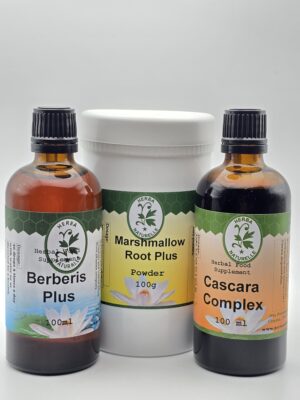 Digestive reset bundle
Original price was: £151.65.£144.95Current price is: £144.95.
Digestive reset bundle
Original price was: £151.65.£144.95Current price is: £144.95.
-
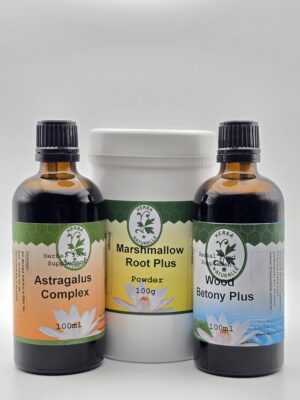 Smooth muscle and immune reset Bundle
Original price was: £177.60.£159.95Current price is: £159.95.
Smooth muscle and immune reset Bundle
Original price was: £177.60.£159.95Current price is: £159.95.
-
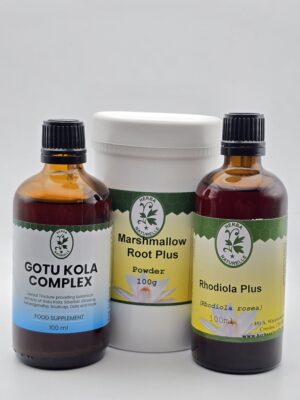 Nervous System Reset
Original price was: £163.68.£149.95Current price is: £149.95.
Nervous System Reset
Original price was: £163.68.£149.95Current price is: £149.95.
-
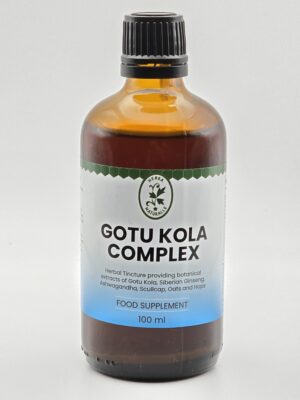 Gotu Kola Complex
£26.95
Gotu Kola Complex
£26.95


About the Author

Holistic Herbalist in UK · 30 Years of Excellence at Croydon, GB
Angela Jegnathan brings over 30 years of experience in integrated medicine and more than 25 years of full-time clinical herbal practice. Specializing in holistic herbal medicine, she focuses on restoring digestive health, calming the nervous system, and supporting the body's natural inflammatory response through evidence-based, patient-centered care.
Expertise: Holistic Herbs, Natural Medicines, Herbal Health
30 years of experience
