How to Relieve Constipation: Natural Laxatives, Danger Signs and Fast Relief
By Anjela Jeganathan – Medical Herbalist | Herba Naturalle
Constipation is defined medically as fewer than three bowel movements per week, but the lived experience is often more nuanced — hard, difficult-to-pass stools, a sense of incomplete evacuation, straining, and the bloating and discomfort that accompany slow bowel transit. It affects approximately 20% of adults in the UK at any given time and is one of the most common digestive complaints presented in clinical practice.
The causes, solutions, and danger signs of constipation — alongside its connection to bloating and trapped wind — are explored in our full clinical guide to bloating, trapped wind and constipation.
Common Causes of Constipation
- Insufficient dietary fibre — the UK average fibre intake (14g/day) is significantly below the NHS recommended 30g/day
- Dehydration — insufficient fluid intake is one of the most common and easily addressable causes
- Physical inactivity — gut motility is directly stimulated by body movement
- Medication side effects — opioid painkillers, iron supplements, antidepressants, and antacids all commonly cause constipation
- Thyroid dysfunction — hypothyroidism slows gut motility significantly
- IBS-C — constipation-predominant IBS, explored in our post on IBS, IBD and bowel conditions
- Ignoring the urge — regular suppression of the urge to defecate desensitises the rectal reflex over time
How to Relieve Constipation on the Toilet Immediately
For those already experiencing the urgency of constipation on the toilet, these positions and techniques can help:
- Squatting position — using a toilet footstool to raise the feet to hip height straightens the anorectal angle and makes evacuation significantly easier
- Abdominal massage — massage the abdomen in a clockwise direction from the lower right, up, across, and down the left side
- Breathing — breathing into the lower abdomen and bearing down on an exhale (rather than holding the breath and straining) is more effective and less likely to cause haemorrhoids
- Warm drink — a warm drink (particularly warm water with lemon, or warm prune juice) taken on waking triggers the gastrocolic reflex and initiates bowel movement in most people within 20–30 minutes
Natural Laxatives That Work
Osmotic natural laxatives (draw water into the bowel):
- Prunes and prune juice — contain sorbitol and phenolic compounds that are among the most effective natural laxatives, with clinical trial evidence
- Flaxseeds — 1–2 tablespoons daily with adequate fluid
- Psyllium husk — the most evidence-backed fibre for constipation (Cochrane-reviewed), taken with a large glass of water
Stimulant natural laxatives (stimulate peristalsis):
- Senna — the most potent herbal stimulant laxative; effective for acute constipation but limited to short-term use (maximum 1–2 weeks) due to risk of laxative dependency
- Aloe vera juice — mild stimulant laxative properties; take short-term
- Cascara — another anthraquinone-containing bark with stimulant laxative action
Lubricant:
- Olive oil — 1 tablespoon on an empty stomach in the morning lubricates the bowel and stimulates bile flow
Foods to Avoid When Constipated
- Processed white bread, rice, and pasta — low fibre, can worsen slow transit
- Cheese and full-fat dairy in excess
- Alcohol — dehydrates the stool
- Bananas (ripe) — contain pectin that firms stool; unripe bananas are particularly binding
- Red meat — high fat, low fibre, slows transit
Foods That Help Constipation
- Prunes, figs, dried apricots
- Flaxseeds and chia seeds
- Oat bran and whole oats
- Leafy green vegetables
- Kiwi fruit — clinical trials specifically confirm kiwi fruit is as effective as psyllium for constipation
Constipation Danger Signs: When to See a Doctor Urgently
Most constipation is benign and self-resolving. However, the following danger signs require urgent medical assessment:
- Blood in or on stool — dark tarry stools (indicating upper GI bleeding) or bright red blood (lower GI bleeding)
- Sudden change in bowel habit lasting more than 4–6 weeks, particularly in people over 50
- Unexplained weight loss alongside constipation
- Abdominal mass that you can feel
- Constipation alternating with diarrhoea that does not fit the pattern of known IBS
- Fecal impaction — where stool becomes impacted and liquid stool leaks around it (paradoxical diarrhoea); this requires medical treatment
These symptoms may indicate bowel cancer, which is discussed in our post on IBS, IBD and bowel cancer — understanding your symptoms.
Fecal Impaction
Fecal impaction — a severe form of constipation where a large mass of dry, hard stool becomes stuck in the rectum or lower colon — requires medical treatment. It commonly presents with no stool output for several days, abdominal discomfort, and sometimes the paradoxical appearance of liquid stool leaking around the impaction. Seek medical help promptly.
The broader gut health picture — including the anatomy and function of the colon — is explained in our guide to your digestive system and gut health.
This article is for educational purposes only. Please consult your GP for persistent constipation or if any danger signs are present.
Our Trending Products & Bundles
-
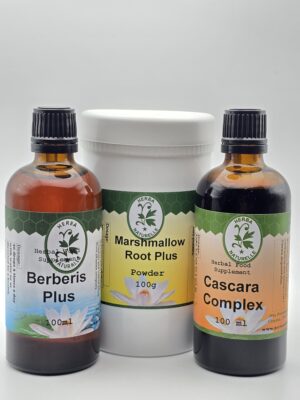 Digestive reset bundle
Original price was: £151.65.£144.95Current price is: £144.95.
Digestive reset bundle
Original price was: £151.65.£144.95Current price is: £144.95.
-
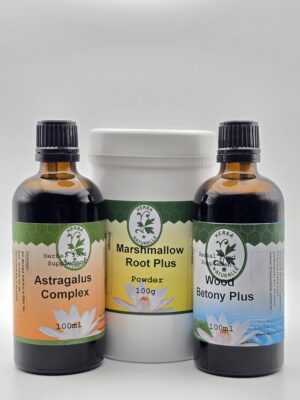 Smooth muscle and immune reset Bundle
Original price was: £177.60.£159.95Current price is: £159.95.
Smooth muscle and immune reset Bundle
Original price was: £177.60.£159.95Current price is: £159.95.
-
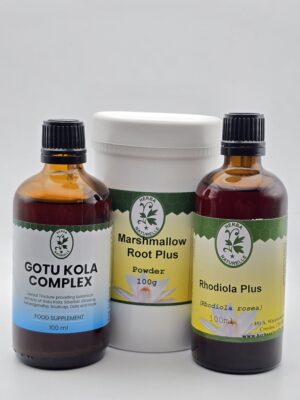 Nervous System Reset
Original price was: £163.68.£149.95Current price is: £149.95.
Nervous System Reset
Original price was: £163.68.£149.95Current price is: £149.95.
-
 Gotu Kola Complex
£26.95
Gotu Kola Complex
£26.95

About the Author

Holistic Herbalist in UK · 30 Years of Excellence at Croydon, GB
Angela Jegnathan brings over 30 years of experience in integrated medicine and more than 25 years of full-time clinical herbal practice. Specializing in holistic herbal medicine, she focuses on restoring digestive health, calming the nervous system, and supporting the body's natural inflammatory response through evidence-based, patient-centered care.
Expertise: Holistic Herbs, Natural Medicines, Herbal Health
30 years of experience
