Lavender Flowers (Lavandula officinalis): The World’s Favourite Nervine
Lavender Flowers — Lavandula officinalis (also Lavandula angustifolia) — need little introduction. The lilac-blue flower spikes of this sun-loving Mediterranean shrub have been used medicinally since ancient Rome, been a fixture of English cottage gardens and apothecary traditions for centuries, and are now the subject of a substantial and growing clinical evidence base that confirms what generations of herbalists and their patients have known empirically: Lavender works. Its combination of genuine anxiolytic, sedative, and anti-inflammatory properties — delivered through both aromatic inhalation and internal preparations — makes it one of the most broadly applicable and evidence-backed herbs in the entire materia medica.
At Herba Naturalle, Lavender Flowers are listed in the comprehensive herb index as a primary nervine — supporting the nervous system work of the Nervous System Reset and the Gotu Kola Complex.
Active Compounds
- Linalool (25–45%) — the primary active volatile compound; documented GABA-A receptor modulation, cortisol reduction, anxiolytic, sedative, and anti-inflammatory effects
- Linalyl acetate (25–47%) — the ester that contributes the characteristic floral-sweet scent and modulates the nervous system through olfactory pathways
- 1,8-Cineole — contributing to the mild expectorant and anti-inflammatory action
- Lavandulol and lavandulyl acetate — secondary volatile compounds
- Rosmarinic acid — anti-inflammatory and antioxidant
Clinical Evidence and Applications
Anxiety and Nervous System
Multiple RCTs confirm that oral lavender preparations (particularly Silexan — a licensed pharmaceutical in Germany) significantly reduce generalised anxiety disorder symptoms compared to placebo, with effects comparable to lorazepam in some studies. Aromatherapy studies consistently show reductions in cortisol, heart rate, and anxiety scores. Directly supports the Inflammation of the Surface Nervous System: Where Healing Begins framework.
Sleep
Lavender aromatherapy increases slow-wave deep sleep, reduces night-time awakening, and improves subjective sleep quality. Internal preparations produce more sustained sleep benefit.
Depression and Mood
The serotonin-modulating effects of linalool contribute to antidepressant action — multiple studies show mood improvements with lavender alongside reduced anxiety.
Pain and Anti-Inflammatory
Topical diluted lavender reduces post-operative pain, headache, and musculoskeletal pain — relevant to the Inflammation in Muscles and Joints post.
Relevant Blog Posts
- Inflammation of the Surface Nervous System: Where Healing Begins
- Inflammation in Muscles and Joints: The Hidden Link to Autoimmunity
- Stop the Inflammation Pandemic: Breathe Easy – Inflammation in the Nose, Sinuses, and Lungs
- Stop the Inflammation Pandemic – The Lymphatic System
- Welcome to the Final Episode of the Inflammation Pandemic Series
How to Use
- Aromatherapy: 5–8 drops in diffuser; pillow spray; 2% dilution in carrier oil topically
- Tea: 2g dried flowers steeped 10 minutes; 2–3 cups daily or at bedtime
- Tincture (1:3): 2–4ml before bed for sleep; 1–2ml during the day for anxiety
- Standardised capsule (oral): Silexan 80mg — licensed preparation; most evidence-backed internal form
Safety
- Extremely safe
- Pregnancy: Use at aromatherapy dilutions; avoid high-dose oral preparations
- Hormone-sensitive conditions: Lavender has mild phyto-oestrogenic activity — theoretical concern at very high topical doses in young children (prepubertal gynaecomastia case reports)
Contact Herba Naturalle for sleep and nervous system herbal support. Browse all products and the full herb index.
This article is for informational purposes only. Please consult a qualified medical herbalist before use.
Our Trending Products & Bundles
-
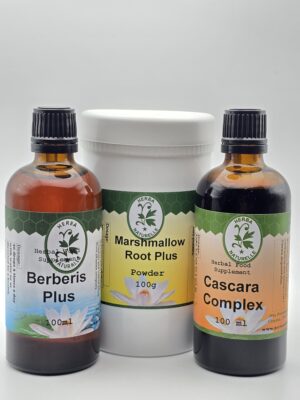 Digestive reset bundle
Original price was: £151.65.£144.95Current price is: £144.95.
Digestive reset bundle
Original price was: £151.65.£144.95Current price is: £144.95.
-
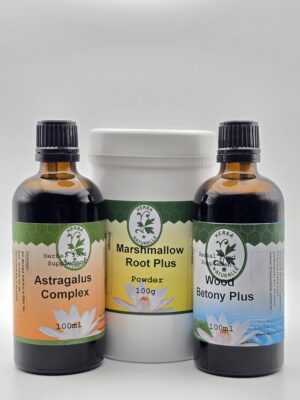 Smooth muscle and immune reset Bundle
Original price was: £177.60.£159.95Current price is: £159.95.
Smooth muscle and immune reset Bundle
Original price was: £177.60.£159.95Current price is: £159.95.
-
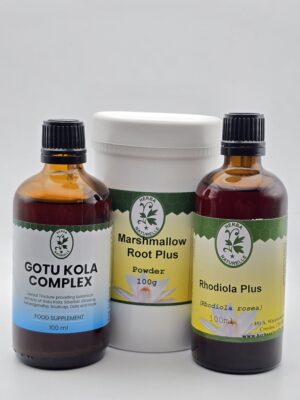 Nervous System Reset
Original price was: £163.68.£149.95Current price is: £149.95.
Nervous System Reset
Original price was: £163.68.£149.95Current price is: £149.95.
-
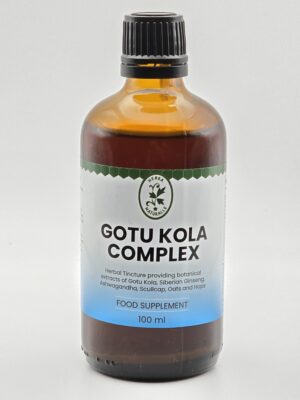 Gotu Kola Complex
£26.95
Gotu Kola Complex
£26.95