
Chamomile Roman (Anthemis nobilis): The Bitter Digestive Chamomile
By Anjela Jeganathan – Holistic Medical Herbalist | Herba Naturalle
Roman Chamomile — Anthemis nobilis (reclassified as Chamaemelum nobile in modern taxonomy) — is the traditional British chamomile. It is the chamomile of cottage gardens, medieval lawns, and the herb walks of English monasteries — the one that releases its sweet apple-like scent underfoot when walked upon. While both Roman and German Chamomile share the name and many clinical applications, they are distinct species with meaningfully different chemical profiles and clinical emphases. Understanding this distinction is important in clinical herbal practice, and reflects the depth of the herbal medicine philosophy at Herba Naturalle.
Roman Chamomile — Anthemis nobilis — is listed in the comprehensive herb index alongside its German relative Chamomilla recutita, both as individually distinct herbs with complementary but specific applications.
Roman vs German Chamomile: The Key Distinction
- Roman Chamomile (Anthemis nobilis): Higher in sesquiterpene lactones (including nobilin and 3-epinobilin); more bitter; stronger digestive tonic and antispasmodic action on the GI tract; less azulene than German Chamomile
- German Chamomile (Chamomilla recutita / Chamaemelum nobile): Higher in chamazulene (produced during steam distillation); stronger anti-inflammatory action; more appropriate for inflammatory conditions of the gut wall and skin; less bitter
In clinical practice: Roman Chamomile for bitter digestive tonic and smooth muscle antispasmodic; German Chamomile for mucosal inflammation.
Active Compounds (Roman)
- Sesquiterpene lactones — nobilin, 3-epinobilin, and related compounds; bitter-tasting and providing the primary digestive tonic and antispasmodic activity
- Volatile oil — including isobutyl angelate, 2-methylbutyl angelate, and small amounts of chamazulene
- Flavonoids — apigenin (binds GABA-A receptors — anxiolytic); luteolin
- Coumarins — with mild antispasmodic effects
Clinical Applications
Bitter Digestive Tonic
The high sesquiterpene lactone content makes Roman Chamomile a genuine digestive bitter — stimulating gastric acid and digestive enzyme secretion, improving digestion, and relieving the bloating and discomfort of dyspepsia. This is a stronger bitter action than German Chamomile. The Berberis Plus and Digestive Reset Bundle provide complementary digestive support.
Smooth Muscle Antispasmodic
Roman Chamomile’s antispasmodic action on intestinal smooth muscle is strong and reliable — used for IBS with cramping, colic, and intestinal spasm. It is a specific herb for irritable, spasmodic bowel presentations.
Anxiety and Nervous Tension
Apigenin’s GABA-A receptor binding gives Roman Chamomile genuine anxiolytic activity — calming nervous tension and reducing the nervous irritability and restlessness that often accompanies digestive dysfunction. The Nervous System Reset Bundle provides deeper nervous system support.
Aromatherapy
Roman Chamomile essential oil is prized in aromatherapy for its deeply calming, soothing scent — one of the most effective oils for anxiety, anger, and nervous tension when diffused or applied diluted.
⚠ Safety Considerations
- Extremely safe — food and medicinal use has centuries of safety evidence
- Asteraceae allergy: Rare cross-reactivity — discontinue if reactions occur
- Pregnancy: The sesquiterpene lactones give it stronger uterine-stimulating activity than German Chamomile — avoid therapeutic doses
- Anticoagulants: Coumarin content — mild interaction; use with professional guidance alongside warfarin
For personalised digestive and nervous system herbal support, contact Herba Naturalle. Browse the full herb index and all products.
This article is for informational purposes only. Please consult a qualified medical herbalist before use.
Our Trending Products & Bundles
-
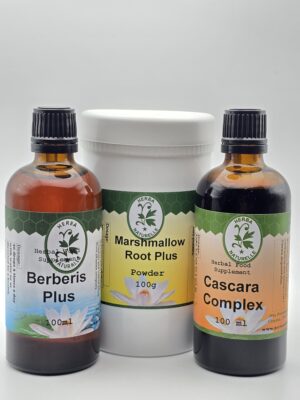 Digestive reset bundle
Original price was: £151.65.£144.95Current price is: £144.95.
Digestive reset bundle
Original price was: £151.65.£144.95Current price is: £144.95.
-
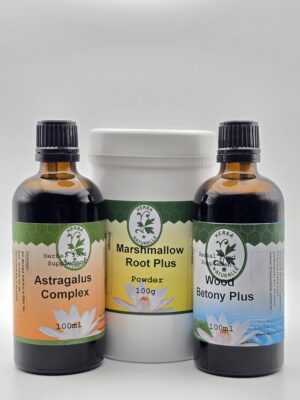 Smooth muscle and immune reset Bundle
Original price was: £177.60.£159.95Current price is: £159.95.
Smooth muscle and immune reset Bundle
Original price was: £177.60.£159.95Current price is: £159.95.
-
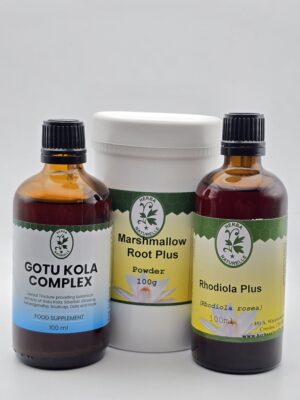 Nervous System Reset
Original price was: £163.68.£149.95Current price is: £149.95.
Nervous System Reset
Original price was: £163.68.£149.95Current price is: £149.95.
-
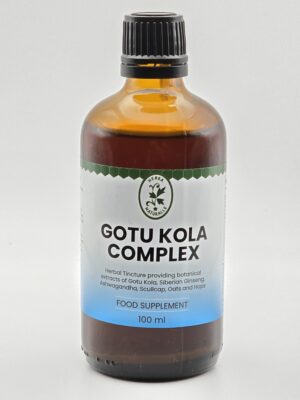 Gotu Kola Complex
£26.95
Gotu Kola Complex
£26.95