
Stomach and Abdominal Pain: What Lower Left, Lower Right and Central Belly Pain Could Mean
Introduction
Abdominal pain is one of the most common reasons people in the UK seek help from their GP or present to A&E. Yet it is also one of the most complex symptoms to interpret, the abdomen contains more organs than any other body region, and pain from one structure can radiate widely to another. This guide explains what different locations of abdominal pain might indicate, which symptoms require urgent assessment, and how herbal medicine supports common digestive causes of belly pain.
Understanding Abdominal Pain by Location
Doctors traditionally divide the abdomen into four quadrants or nine regions, which helps narrow down possible causes. The most commonly searched locations are addressed below.
Pain in the Lower Left Stomach
The lower left abdomen houses the sigmoid colon (the final S-shaped section of the large bowel before the rectum), as well as, in women, the left ovary and fallopian tube.
Common causes of lower left abdominal pain:
Diverticular disease / diverticulitis This is one of the most frequent causes of lower left abdominal pain in UK adults over 50. Diverticula are small pouches that develop in the wall of the colon. When they become inflamed or infected (diverticulitis), they cause pain, typically aching or cramping, in the lower left abdomen, often with fever, nausea, and changes in bowel habit. Diverticulitis requires medical assessment; severe episodes need antibiotics or hospitalisation.
Constipation Backed-up stool in the sigmoid colon is a very common cause of lower left pain. It is usually associated with infrequent, hard stools and a feeling of incomplete emptying. Increasing fibre, water, and physical activity typically resolves it.
Irritable Bowel Syndrome (IBS) IBS-related pain is often described as cramping or colicky and can occur anywhere in the abdomen but is frequently reported in the lower left. It usually improves after opening the bowels.
Ulcerative colitis (UC) UC affects the colon from the rectum upwards. Active UC classically causes lower left pain (the rectum and sigmoid colon are affected first in most people), accompanied by bloody diarrhoea and urgency.
In women, gynaecological causes:
- Ovarian cyst: can cause a dull, aching, or sharp pain on the affected side; may worsen at specific points in the menstrual cycle
- Endometriosis: often causes cyclical pelvic pain that may be severe
- Ectopic pregnancy: in any woman of reproductive age with one-sided pelvic pain and a late period, ectopic pregnancy must be excluded (seek urgent care)
Pain in the Right Side of the Stomach / Lower Right Abdominal Pain
The lower right abdomen contains the appendix, the cecum (beginning of the large intestine), the terminal ileum (where the small intestine ends), and in women, the right ovary and fallopian tube.
Common causes:
Appendicitis This is the most important condition to exclude when a person presents with lower right abdominal pain. Classic appendicitis begins as central, periumbilical (around the navel) pain that moves to the lower right (McBurney’s point) over several hours. It is typically accompanied by nausea, vomiting, low-grade fever, and loss of appetite. Appendicitis is a surgical emergency, seek immediate medical care if this presentation fits.
Crohn’s disease Crohn’s most commonly affects the terminal ileum and the right side of the colon, so cramping or pain in the lower right abdomen is characteristic. Other features include diarrhoea (which may or may not be bloody), weight loss, and fatigue.
Kidney stones (right side) Pain from a kidney stone passing down the right ureter can be felt in the lower right abdomen and often radiates to the groin. It is typically colicky (waves of severe pain) rather than constant.
Ovarian causes (women) As with the left side, the right ovary can produce pain from cysts, endometriosis, or in the worst case, an ectopic pregnancy.
Inguinal hernia More common in men; causes a lump or aching pain in the lower right groin area, which may worsen on lifting or straining.
Female Chest and Stomach Pain
Women experience abdominal pain differently to men in several important ways. The presence of the uterus, ovaries, and fallopian tubes creates additional causes for pain that may mimic or overlap with gastrointestinal problems.
Causes that are specific to or more common in women:
- Menstrual cramps (dysmenorrhoea): cramping central and lower abdominal pain during or just before menstruation; related to prostaglandin release
- Ovulation pain (Mittelschmerz): brief, one-sided pain at mid-cycle when an egg is released
- Endometriosis: can cause severe cyclical pain, deep pelvic pain during intercourse, and bowel or bladder symptoms
- Pelvic inflammatory disease (PID): infection of the reproductive organs; causes lower abdominal pain, fever, and vaginal discharge; requires antibiotic treatment
- Fibroids: can cause a heavy, aching pelvic pain, particularly around menstruation
Additionally, women experiencing chest and upper abdominal pain should be aware that heart attack symptoms in women are often atypical. The classic “elephant on the chest” presentation is less common in women, who may instead feel jaw pain, back pain, nausea, breathlessness, or upper abdominal discomfort. Never attribute chest or upper abdominal pain in a woman over 40 to indigestion alone without medical assessment.
Central (Midline) Belly Pain
Central abdominal pain, around the navel or in the area between the chest and pelvis, is common and can relate to:
- Gastroenteritis: viral or bacterial infection producing cramping, nausea, vomiting, and diarrhoea
- Peptic ulcer disease: gnawing or burning pain in the upper central abdomen, often relieved by eating or antacids
- IBS: often periumbilical cramping that improves after bowel opening
- Mesenteric adenitis: swollen lymph nodes in the abdomen, common after a viral infection; produces central pain and is often mistaken for appendicitis in children
- Aortic aneurysm (rare but serious): a pulsating central abdominal mass with severe pain; requires emergency care
Red Flags: When Belly Pain Needs Urgent Attention
Seek same-day or emergency care for any of the following:
- Sudden, severe abdominal pain of any location, especially if it feels different from previous episodes
- Pain with a rigid or board-like abdomen (may indicate peritonitis)
- Pain accompanied by high fever and rigors
- Vomiting blood or passing black, tarry stools
- Signs of shock, pale, clammy, faint, rapid pulse
- Possible appendicitis presentation (central pain migrating to lower right, fever, nausea)
- Any abdominal pain in pregnancy, particularly one-sided pain with or without bleeding
- Lower right pain in a woman of reproductive age, ectopic pregnancy must be excluded
Herbal Support for Common Digestive Pain
For non-urgent, functional abdominal pain, such as that associated with IBS, trapped wind, or spasm, several herbs offer clinically meaningful relief:
Antispasmodics (reduce intestinal cramping):
- Cramp bark (Viburnum opulus): the premier herbal antispasmodic: Cramp Bark: The Premier Antispasmodic
- Wild yam root: antispasmodic and anti-inflammatory: Wild Yam Root: The Antispasmodic Herb
- Peppermint: relaxes gut smooth muscle: Peppermint Leaf: The Most Clinically Validated Digestive Herb
Anti-inflammatories (reduce gut wall inflammation):
- Meadowsweet: gastroprotective and anti-inflammatory: Meadowsweet Herb: The Plant That Inspired Aspirin
- Turmeric: Turmeric: Nature’s Most Powerful Anti-Inflammatory
Demulcents (soothe irritated gut lining):
- Marshmallow root: Marshmallow Root: The Deep Gut Lining Healer
- Slippery elm: Slippery Elm: The Supreme Gut Soother
Our Trending Products & Bundles
-
 Digestive reset bundle
Original price was: £151.65.£144.95Current price is: £144.95.
Digestive reset bundle
Original price was: £151.65.£144.95Current price is: £144.95.
-
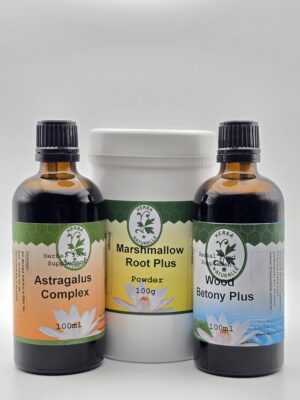 Smooth muscle and immune reset Bundle
Original price was: £177.60.£159.95Current price is: £159.95.
Smooth muscle and immune reset Bundle
Original price was: £177.60.£159.95Current price is: £159.95.
-
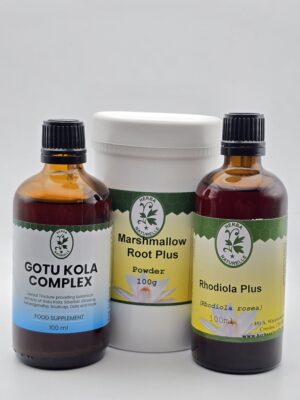 Nervous System Reset
Original price was: £163.68.£149.95Current price is: £149.95.
Nervous System Reset
Original price was: £163.68.£149.95Current price is: £149.95.
-
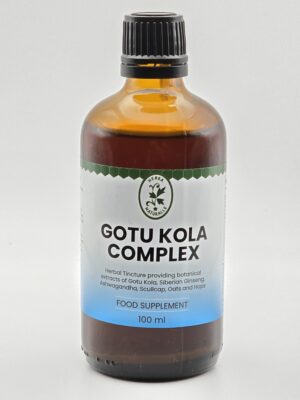 Gotu Kola Complex
£26.95
Gotu Kola Complex
£26.95


About the Author

Holistic Herbalist in UK · 30 Years of Excellence at Croydon, GB
Angela Jegnathan brings over 30 years of experience in integrated medicine and more than 25 years of full-time clinical herbal practice. Specializing in holistic herbal medicine, she focuses on restoring digestive health, calming the nervous system, and supporting the body's natural inflammatory response through evidence-based, patient-centered care.
Expertise: Holistic Herbs, Natural Medicines, Herbal Health
30 years of experience
