
Herbs for Perimenopause: Supporting the Transition Before Menopause Begins
Most women are told almost nothing about perimenopause until they are already living through it, often confused about why their once predictable cycle has started behaving so unpredictably, why sleep has become fragile, or why their mood swings feel out of proportion to anything happening in their life. Herbs for perimenopause can offer real, meaningful support, but understanding what perimenopause actually is, rather than assuming it is simply “early menopause,” changes how effective that support can be. It is one of the most common transitions we see in clinic, and also one of the most frequently misdiagnosed, since its symptoms overlap so heavily with stress, thyroid changes and simply “getting older” that many women spend years without a clear name for what they are experiencing, often moving between different specialists before anyone joins the dots.
Perimenopause Is Not the Same as Menopause
Menopause is technically a single point in time, twelve months after a woman’s final period. Perimenopause is the years long transition leading up to that point, sometimes lasting anywhere from four to ten years, during which oestrogen and progesterone fluctuate erratically rather than declining smoothly. This is precisely why perimenopause often feels more chaotic than menopause itself: the body is not adjusting to a new, stable hormonal baseline, it is riding out waves of change that can differ from month to month, which makes both diagnosis and treatment considerably trickier than most people expect. A woman might have three unusually heavy periods followed by one that is skipped entirely, or feel completely herself for several weeks before a fortnight of anxiety and disrupted sleep arrives seemingly out of nowhere. This unpredictability is often more distressing than any single symptom, simply because there is no consistent pattern to plan around.
Herbs Traditionally Used for Hormonal Fluctuation
Agnus castus is one of the most researched herbs for hormonal irregularity, traditionally used to support the pituitary gland’s role in regulating the menstrual cycle, which makes it particularly relevant during the unpredictable cycle changes so common in perimenopause, and it is often the herb we return to first when cycle timing itself is the main complaint. Black cohosh has one of the longest traditional histories of use for hot flushes and hormonal symptoms in Western herbal medicine, dating back to its use among Native American communities long before it became a mainstream menopause remedy, and sage leaf has a specific traditional reputation for reducing excessive sweating and hot flushes, something many women do not realise a common kitchen herb can genuinely help with.
Calming an Overstimulated System
Motherwort, whose Latin name literally references the heart, has traditionally been used for the racing heartbeat and anxious, unsettled feeling that so often accompanies hormonal fluctuation, a sensation many women describe as feeling suddenly, inexplicably on edge for no obvious reason. Dong quai, sometimes called female ginseng in Chinese medicine, has a long traditional reputation as a female reproductive tonic used across multiple life stages, not only perimenopause. Shatavari, an Ayurvedic root whose name is sometimes translated as “she who possesses a hundred husbands,” carries a similarly long traditional reputation for supporting women through hormonal transitions, valued in Ayurvedic medicine for centuries as a nourishing tonic during times of significant physiological change.
Phytoestrogenic Support
Red clover is one of the most studied phytoestrogenic herbs, containing plant compounds that weakly interact with oestrogen receptors, and it is often discussed alongside black cohosh as part of a broader hormonal support strategy, particularly for women who prefer a gentler, food based approach to symptom relief. Understanding how this fits into the wider picture of hormonal health is covered in more depth in our article on herbal medicine for menopause, and if hot flushes specifically are your main concern, our dedicated piece on herbs for menopause hot flushes goes into far more detail on cooling remedies that many women find make an immediate, noticeable difference.
The Mood and Sleep Connection
Perimenopause rarely announces itself through cycle changes alone. Many women notice mood changes, irritability, or a new tendency toward anxiety long before they connect these to hormones at all, sometimes wondering privately whether something else entirely is going on, which is exactly why our article on herbal medicine for mental health is worth reading alongside this one. Sleep disruption is another common and underdiscussed symptom, often driven by night sweats but just as often independent of them, and our evidence based guide to herbal medicine for sleep covers the herbal approaches that help when night sweats and a racing mind keep interrupting rest. Because hormonal fluctuation and stress hormones are closely intertwined, each amplifying the other in a kind of feedback loop, our article on how chronic stress affects the body also has direct relevance here, since prolonged stress can genuinely worsen the intensity of perimenopausal symptoms.
When Symptoms Overlap With Other Conditions
Because perimenopause can produce such a wide range of symptoms, from cycle irregularity to headaches to changes in skin and hair, it is worth ruling out other conditions that can mimic or worsen the picture before assuming everything is hormonal in origin. Our article on herbal medicine for PCOS is useful for women whose cycles were already irregular before perimenopause began, since distinguishing between the two patterns changes the herbal approach considerably, and for women whose perimenopausal years bring on new headaches, our guide to natural remedies for migraines and tension headaches explains the hormonal headache connection in detail. Our broader article on women’s health and herbal medicine ties all of these threads together and is a good starting point for anyone trying to understand their own hormonal picture more fully, particularly if several of these symptoms are overlapping at once.
Small Changes That Support Hormonal Balance
Herbs work best alongside a few foundational habits during this transition. Blood sugar stability matters more than most women realise, since blood sugar swings place additional strain on already fluctuating hormones, and eating regular meals with adequate protein tends to smooth out some of the mood and energy swings that make perimenopause feel so unpredictable. Alcohol, while often reached for to unwind, tends to worsen hot flushes and disrupt the very sleep that is already fragile during this time, and reducing it, even temporarily, is something many patients notice a difference from within a couple of weeks. Regular movement, particularly weight bearing exercise, supports both mood and the long term bone health that becomes increasingly relevant as oestrogen begins its gradual decline.
It is also worth simply naming what is happening, even informally, since the uncertainty itself often causes as much distress as the symptoms do. Many women feel reassured just to understand that a symptom they had privately worried about, whether that is a racing heart, sudden rage, or a period that arrived twice in one month, is a recognised and common part of this transition rather than a sign something is seriously wrong.
A Realistic, Honest View
We want to be upfront: perimenopause can present with symptoms, including very heavy bleeding, prolonged periods, or significant mood disturbance, that genuinely warrant medical assessment rather than herbal support alone. Blood tests are not always reliable for confirming perimenopause given how much hormone levels fluctuate day to day, so working with a GP alongside a herbalist often gives the fullest and most accurate picture of what is actually happening. Herbal medicine works well as ongoing support through this transition, but it is not a substitute for ruling out other causes of significant symptom change, and a good herbalist will always tell you plainly when something falls outside what herbs alone can safely address.
Discuss Your Case With a Herbalist
Because perimenopause looks different in almost every woman who experiences it, a full consultation is the best way to build a herbal approach around your specific pattern of symptoms rather than a generic one, taking into account cycle history, sleep, mood and any other health conditions already in the picture. Learn more about our clinical approach, or read through our patient success stories to see how other women have navigated this transition with the right support in place. Perimenopause can feel disorienting while you are inside it, but with the right combination of understanding and herbal support, it is a transition most women move through far more steadily than they expected.
Our Trending Products & Bundles
-
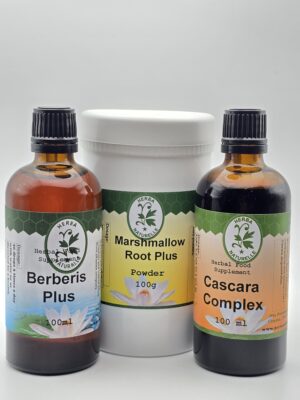 Digestive reset bundle
Original price was: £151.65.£144.95Current price is: £144.95.
-
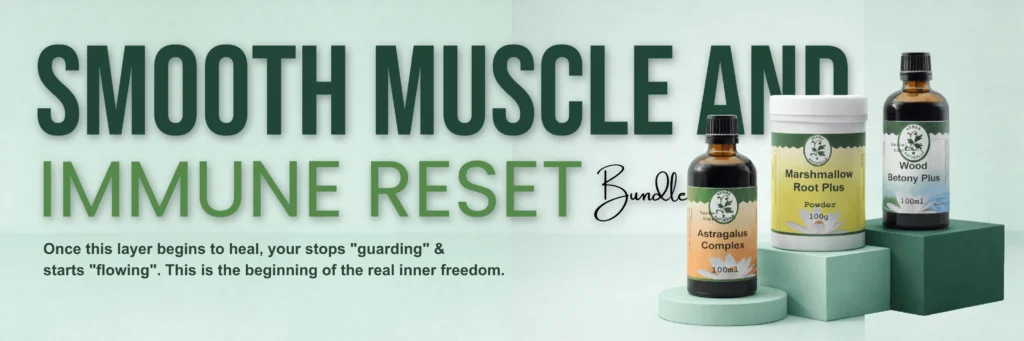
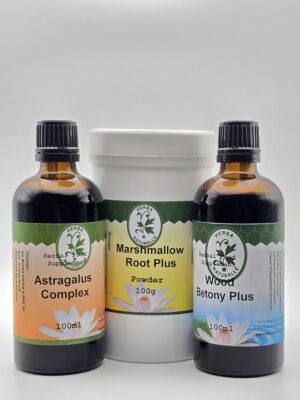 Smooth muscle and immune reset Bundle
Original price was: £177.60.£159.95Current price is: £159.95.
-
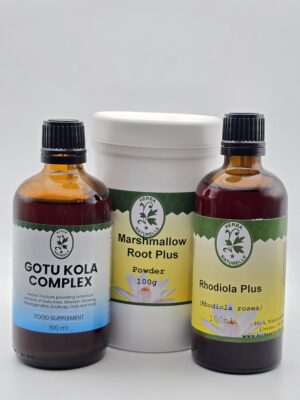 Nervous System Reset
Original price was: £163.68.£149.95Current price is: £149.95.
-
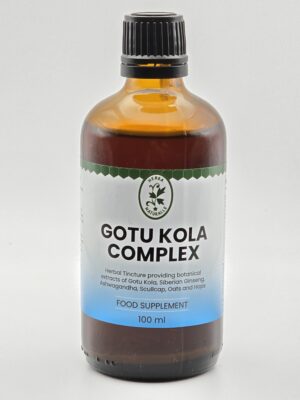 Gotu Kola Complex
£26.95

About the Author

Holistic Herbalist in UK · 30 Years of Excellence at Croydon, GB
Angela Jegnathan brings over 30 years of experience in integrated medicine and more than 25 years of full-time clinical herbal practice. Specializing in holistic herbal medicine, she focuses on restoring digestive health, calming the nervous system, and supporting the body's natural inflammatory response through evidence-based, patient-centered care.
Expertise: Holistic Herbs, Natural Medicines, Herbal Health
30 years of experience
