
Herbs for Teeth Grinding and Jaw Tension
The first sign is often a dentist’s observation rather than anything the person themselves noticed, worn enamel or a flattened tooth surface that couldn’t have happened from chewing alone. Teeth grinding, medically called bruxism, frequently happens entirely during sleep, which means the person doing it is often the last to know, waking instead with a sore jaw, a dull headache, or tension across the temples that seems to come from nowhere. Herbs for teeth grinding and jaw tension is searched most often once someone has finally connected these seemingly unrelated symptoms to what’s actually happening while they sleep.
Posture and Screen Habits Play a Role Too
Prolonged forward head posture, common among people who spend long hours at a screen, places extra strain on jaw and neck muscles, which can contribute to daytime clenching that then carries into sleep. Simple adjustments, like positioning a screen at eye level and taking regular breaks to reset posture, can meaningfully reduce the baseline muscular tension that herbs and relaxation techniques are otherwise working to calm.
Alcohol and Recreational Substances Can Worsen Grinding
It’s worth mentioning that alcohol, and certain recreational substances, are both associated with increased bruxism, likely through their effect on sleep architecture and nervous system regulation. Reducing intake, particularly in the hours before bed, is a simple, often overlooked step that can meaningfully reduce grinding frequency alongside the herbs and calming practices discussed throughout this piece.
Jaw Exercises and Manual Release Techniques
Gentle jaw stretches and self-massage of the muscles at the jaw hinge, done consistently, can help release accumulated tension physically, complementing the calming, internal action of the herbs discussed here. A dentist or physiotherapist experienced in jaw tension can often teach specific, targeted exercises worth learning if jaw soreness, rather than tooth wear alone, is the more troublesome symptom for you.
Why Teeth Grinding Happens
Bruxism is very strongly linked to stress and anxiety, with the jaw clenching and grinding acting as a kind of physical release valve for tension the nervous system hasn’t otherwise processed, often worse during particularly stressful periods and easing somewhat when life calms down. Sleep quality itself also plays a role, with certain sleep patterns associated with a higher frequency of grinding episodes, and caffeine and alcohol, particularly close to bedtime, can both worsen the pattern.
Calming the Nervous System Before Bed
Since bruxism is so closely tied to unprocessed tension, herbs that calm an overactive nervous system tend to be more directly useful here than anything aimed at the jaw muscle itself. Valerian Root has a long, well established reputation as a sleep herb, and by supporting deeper, calmer sleep, it can indirectly reduce the frequency of grinding episodes that occur during lighter, more stress reactive sleep stages.
Scullcap, often described as the premier nervous system herb in Western herbal medicine, is particularly well suited to a jaw that stays tense even when the rest of the body has relaxed, addressing that specific, stubborn holding pattern directly. Passion Flower works well alongside either herb, particularly where anxious, racing thoughts at bedtime seem to be part of what’s keeping the jaw clenched through the night.
Our combined profile of chamomile and valerian covers a particularly gentle, accessible combination worth starting with, especially for anyone new to using herbs for sleep and tension.
A Gentle British Nervine Worth Knowing
Lime Flowers have a long traditional reputation in European herbal medicine specifically for calming nervous tension, and their gentle, non-sedating action makes them a pleasant option as an evening tea alongside more targeted herbs, easing the general background tension that so often accompanies bruxism.
Why Daytime Stress Matters as Much as Bedtime Habits
Since grinding so often reflects tension accumulated during waking hours, addressing stress throughout the day tends to reduce nighttime symptoms more effectively than focusing on bedtime routine alone. Our detailed explanation of how chronic stress affects the body covers this connection properly, and our broader guide to herbal medicine for mental health is worth reading if anxiety feels like a significant, ongoing part of your day to day experience rather than an occasional, situational stressor.
For sleep quality specifically, beyond the herbs already mentioned, our fuller guide to herbal medicine for sleep is worth reading, since better overall sleep architecture tends to reduce bruxism frequency as a natural side effect.
Supporting a Nervous System That’s Been Under Strain for a While
Oat Seed is a nervous system restorative particularly suited to a body that’s been holding tension for a prolonged period, which describes many longstanding bruxism cases well, since the grinding pattern often becomes deeply habitual over months or years of accumulated, unprocessed stress. Our Nervous System Reset formulation was built with exactly this kind of chronically overstretched presentation in mind.
Practical Steps Worth Combining With Herbal Support
A few practical habits genuinely help alongside herbs. Consciously relaxing the jaw during the day, especially at moments of noticed tension such as while working at a screen, helps break the daytime clenching habit that often carries into sleep. Reducing caffeine, particularly in the afternoon and evening, and avoiding alcohol close to bedtime, both reduce the fragmented, lighter sleep patterns associated with more frequent grinding episodes.
Magnesium and Muscle Tension
Magnesium plays a direct role in muscle relaxation throughout the body, jaw muscles included, and many people are mildly deficient without realising it. Foods naturally rich in magnesium, or a modest supplement taken in the evening, are a simple, low risk addition alongside the herbs discussed here, particularly for anyone whose grinding seems tied to general muscular tension rather than anxiety alone.
When a Dentist Needs to Be Part of the Plan
It’s worth saying plainly that a night guard, fitted by a dentist, remains one of the most effective ways to protect teeth from the physical damage of grinding while the underlying stress driving it is being addressed. Herbal medicine works well as a complement to this protective approach, calming the underlying tension, but it isn’t a substitute for protecting your teeth in the meantime if grinding has already caused noticeable wear.
A Case Worth Sharing
A man in his thirties came to clinic after his dentist flagged significant enamel wear during a routine check up, something he’d had no awareness of himself beyond occasionally waking with a sore jaw. A demanding period at work seemed to coincide with when the wear had likely started. A plan combining Scullcap and Valerian taken before bed, alongside a conscious daytime effort to notice and release jaw tension, led to considerably fewer mornings of jaw soreness within a few weeks, alongside a genuinely useful new awareness of just how much tension he’d been carrying without realising it.
Building a Plan That Addresses the Underlying Tension
If teeth grinding or jaw tension has become a recurring pattern for you, addressing the underlying stress driving it, alongside protecting your teeth in the meantime, tends to produce far better results than focusing on either alone. You can book a consultation or book an appointment online. The full herb directory has more detail on every herb mentioned here, our About Herbal Medicine page explains the clinical reasoning behind this approach, and our homepage has everything else you need to know about how the clinic works.
Teeth grinding is a genuinely physical symptom of an often invisible daytime stress pattern, and addressing that underlying tension tends to help far more, over time, than treating the jaw in isolation.
Children and Teeth Grinding
It’s worth a brief mention that bruxism is also common in children, often linked to normal developmental jaw changes rather than stress, and it frequently resolves on its own as permanent teeth come in. Persistent grinding in children, or grinding accompanied by clear signs of anxiety, is still worth mentioning to a dentist, but it’s generally viewed with less concern than adult onset grinding, which more reliably points toward an accumulated stress pattern worth addressing directly.
A Final Word on Consistency
Because bruxism is so closely tied to accumulated, often long standing tension, meaningful improvement typically takes several weeks of consistent herbal support and daytime awareness before the nighttime grinding itself noticeably eases. Patience here pays off, since the underlying pattern usually took months or years to establish and reasonably needs more than a few nights to fully unwind.
Sticking with the approach consistently, alongside protecting your teeth in the meantime, generally pays off well within a couple of months.
Our Trending Products & Bundles
-
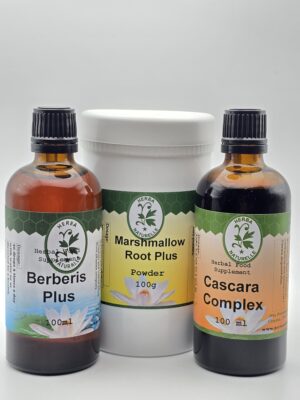 Digestive reset bundle
Original price was: £151.65.£144.95Current price is: £144.95.
Digestive reset bundle
Original price was: £151.65.£144.95Current price is: £144.95.
-
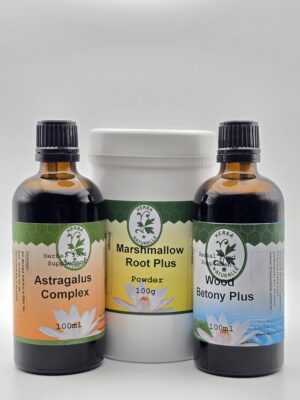 Smooth muscle and immune reset Bundle
Original price was: £177.60.£159.95Current price is: £159.95.
Smooth muscle and immune reset Bundle
Original price was: £177.60.£159.95Current price is: £159.95.
-
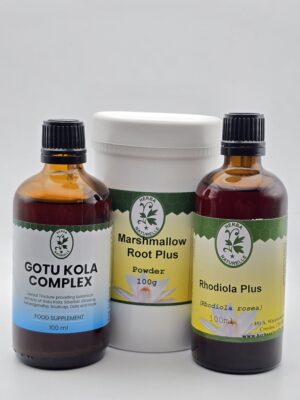 Nervous System Reset
Original price was: £163.68.£149.95Current price is: £149.95.
Nervous System Reset
Original price was: £163.68.£149.95Current price is: £149.95.
-
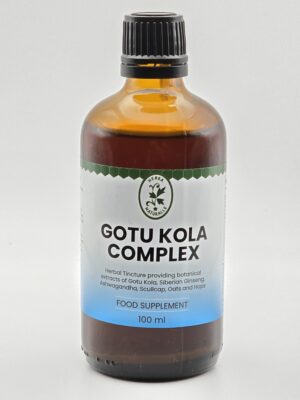 Gotu Kola Complex
£26.95
Gotu Kola Complex
£26.95


About the Author

Holistic Herbalist in UK · 30 Years of Excellence at Croydon, GB
Angela Jegnathan brings over 30 years of experience in integrated medicine and more than 25 years of full-time clinical herbal practice. Specializing in holistic herbal medicine, she focuses on restoring digestive health, calming the nervous system, and supporting the body's natural inflammatory response through evidence-based, patient-centered care.
Expertise: Holistic Herbs, Natural Medicines, Herbal Health
30 years of experience
