
Lime Flowers (Tilia europaea): The European Nervous System Herb
Lime Flowers, the blossoms of Tilia europaea (European Linden or Common Lime Tree), are one of the most beautiful and evocatively fragrant medicinal herbs of the European tradition. The summer-flowering lime trees that line the streets of many European cities produce honey-scented flower clusters that have been gathered for medicine across the continent since at least the 14th century. In France, tilleul (linden tea) is as much a part of the cultural fabric as chamomile, prescribed by French grandmothers for nervous distress, insomnia, and feverish children. Its combination of gentle nervine, blood pressure-lowering, and diaphoretic properties makes Lime Flowers one of the most broadly applicable and universally safe herbs in the European materia medica.
At Herba Naturalle, Lime Flowers are listed in the comprehensive herb index as a primary nervine and cardiovascular-supportive herb, complementing the Nervous System Reset and the Gotu Kola Complex.
A Brief History of Lime Flower in European Herbal Tradition
Long before it was studied for its flavonoid content, the lime tree held a special place in European village life. In medieval Germany and France, the village lime tree was often the literal centre of the community, the spot where markets were held, disputes were settled, and dances took place, and it was widely regarded as a tree of peace and protection. Monastic infirmaries kept dried lime flowers among their standard remedies for nervous complaints, feverish colds, and restless children, a use that has barely changed in the centuries since.
That domestic, everyday quality is really what defines lime flower as a herb. It was never treated as a heroic or dramatic remedy the way something like foxglove was. Instead, it earned its place as a household staple, the kind of tea a grandmother would put on the stove without a second thought when someone in the family was tense, feverish, or struggling to sleep. This gentle, unremarkable reliability is precisely what has kept it in continuous use for well over 600 years, and it’s part of why herbalists still reach for it today when a calming, low-risk remedy is what’s needed.
Active Compounds
- Flavonoids, kaempferol, quercetin, tiliroside, and particularly hesperidin, with antioxidant, anti-inflammatory, and mild antihypertensive activity
- Mucilage (3–10%), arabinogalactan polysaccharides, soothing to the respiratory and digestive mucosa
- Volatile oil, farnesol and geraniol, mild anxiolytic and diaphoretic activity
- Tannins, catechins, mild astringent contribution
- Phenolic acids, caffeic and chlorogenic acid, antioxidant
How Lime Flowers Work: The Science of Calm
The calming reputation of lime flower isn’t just folklore. Research into its flavonoid content, particularly tiliroside, points to an interaction with GABA receptors in the brain, the same receptor system targeted by many conventional calming medications, though at a much gentler, more gradual level. GABA is the nervous system’s main “braking” neurotransmitter, and herbs that support this pathway tend to produce a settled, unwound feeling rather than sedation in the heavy sense. This mechanism helps explain why lime flower can ease nervous tension without leaving people feeling drowsy or foggy, and why it pairs so naturally with other GABA-supportive nervines when a more noticeable calming effect is needed.
Clinical Applications
Nervous System and Anxiety
Lime Flowers are a classic European nervine, calming nervous tension, reducing anxiety, and promoting relaxation without sedating. The flavonoid and volatile oil combination modulates the nervous system in ways consistent with the surface nervous system calming described in Inflammation of the Surface Nervous System: Where Healing Begins.
Insomnia
Particularly effective for sleep-onset difficulty associated with nervous tension and an active mind, Lime Flower tea before bed is a genuinely effective and safe sleep preparation, suitable for adults and children.
Migraines and Nervous Headaches
Lime flower has a long traditional use for headaches that are driven by tension and nervous strain rather than sinus congestion or eye strain. Its mild antispasmodic action on blood vessels, alongside its calming effect on the nervous system, is thought to be behind this traditional indication. It’s often taken as a warm tea at the first sign of a tension headache, ideally in a quiet, dim room rather than relied on as a stand-alone fix for recurring migraines.
Digestive Cramps and Nervous Indigestion
Beyond the nervous system, lime flower has a gentle antispasmodic action on smooth muscle, which is why it appears in traditional formulas for stomach cramps, colic, and what herbalists sometimes call “nervous indigestion”, digestive upset that flares up alongside stress rather than diet. The same mucilage content that soothes the respiratory tract also has a mildly soothing effect on an irritated digestive lining.
Premenstrual Tension and Period-Related Discomfort
Because so much premenstrual discomfort, irritability, headaches, and lower back tension, has a nervous system component, lime flower is sometimes included in formulas aimed at the days leading up to a period. It won’t address hormonal imbalance on its own, but as a calming addition to a broader approach it has a long traditional following.
Skin Irritation and Bathing Use
Historically, lime flowers were also added to warm baths for their soothing, slightly astringent effect on irritated or itchy skin, and this remains a pleasant, low-intervention way to use the herb externally rather than as a tea, particularly for restless children before bed.
Blood Pressure
The flavonoid-mediated vasodilatory and mild ACE-inhibiting effects provide antihypertensive activity, relevant in hypertension with a strong nervous system component. Relevant to Healing the Heart.
Febrile Illness (Diaphoretic)
Hot Lime Flower tea promotes gentle perspiration, supporting the natural resolution of fevers, particularly in children’s febrile illness.
Respiratory Catarrh
The mucilage soothes irritated respiratory mucosa, used for dry, irritating coughs and upper respiratory catarrh. Complementary to the Lungwort Plus.
What the Lime Tree Looks Like, and Where It Grows
The common lime tree is a large, deciduous tree, often reaching well over twenty metres, with heart-shaped leaves and small clusters of pale, creamy-yellow flowers that hang beneath a distinctive papery bract. It’s this bract, rather than the flower itself, that many people notice first, spinning gently to the ground in early summer. Lime trees are common across parks, avenues, and older streets throughout the UK and mainland Europe, and their flowering period, usually a few weeks in June and July, is unmistakable: the whole tree hums audibly with bees drawn to its intensely fragrant blossom, and the air beneath it carries a distinct honeyed sweetness. This is traditionally considered the best time to harvest the flowers for drying, gathered on a dry day once the flowers have fully opened.
Relevant Blog Posts
- Inflammation of the Surface Nervous System: Where Healing Begins
- Healing the Heart: Understanding and Reversing Inflammation in the Cardiovascular System
- Stop the Inflammation Pandemic: Breathe Easy, Inflammation in the Nose, Sinuses, and Lungs
- Stop the Inflammation Pandemic – The Lymphatic System
- Welcome to the Final Episode of the Inflammation Pandemic Series
How to Use
- Tea: 2–4g dried flowers steeped 10 minutes; 2–3 cups daily; 1 cup before bed for sleep
- Tincture (1:3): 2–4ml three times daily
- Suitable for children at appropriately reduced doses
In France, a cup of warm lime flower tea is traditionally taken with a small amount of warm milk before bed, a pairing said to soften the taste and add to its calming, sleep-inducing effect. It’s a gentle nightly ritual that’s been passed down through generations rather than a strict clinical formula, and it’s still a pleasant, low-effort way to unwind at the end of the day. If a stronger nervine effect is needed alongside lime flower, it’s often combined with other calming herbs, and our guide to chamomile, valerian and anxiety-related sleep issues covers how these can work alongside one another.
Lime Flower Compared to Other Calming Herbs
Lime flower is sometimes confused with chamomile, since both are gentle, tea-based nervines with a long household history, but the two aren’t interchangeable. Chamomile leans more towards digestive and mildly anti-inflammatory support alongside its calming effect, while lime flower’s particular strength is its combination of a calm nervous system, gentle blood pressure support, and a genuine, non-drowsy sleep aid. For most people dealing with tension-driven sleeplessness rather than digestive upset, lime flower is the more targeted choice, though the two are frequently used together in traditional European blends.
Safety
- One of the safest herbs available; suitable for elderly, pregnant women (at standard doses), and children
- No significant contraindications at therapeutic doses
- Cardiac disease: Use with professional guidance alongside cardiac medication due to mild hypotensive effects
Frequently Asked Questions
Is lime flower the same as linden?
Yes. Lime flower and linden are two common names for the same tree and the same herb, Tilia europaea and its related species. “Linden” tends to be the more common name in the US, while “lime flower” or “limeflower” is the more familiar term in the UK, even though it has no relation to the citrus lime.
Is there a homeopathic remedy called Tilia europaea?
Yes, there is a homeopathic preparation made from Tilia europaea, but it’s worth understanding this is a separate tradition from herbal medicine. Homeopathic remedies are highly diluted and prescribed on entirely different principles to the herbal teas and tinctures discussed on this page, so the two shouldn’t be confused or assumed to work in the same way or at the same dose.
What does lime flower tea taste like?
It’s mild, faintly sweet, and honey-like, with a soft floral note, which is part of why it’s traditionally been such an easy tea to give to children and those who find stronger-tasting herbal teas difficult to drink regularly.
Y la tila? (And what about tila?)
“Tila” is simply the Spanish name for lime flower, widely used throughout Spain and Latin America as an everyday calming tea, prepared and used in much the same way as it traditionally has been in France and the rest of Europe.
Can children have lime flower tea?
Yes, lime flower is traditionally considered one of the gentlest nervines available and has long been used for feverish or restless children, though as with any herb, doses should be appropriately reduced for a child’s size and age.
Contact Herba Naturalle for sleep and nervous system herbal support. Browse all products and the full herb index.
This article is for informational purposes only. Please consult a qualified medical herbalist before use.
Our Trending Products & Bundles
-
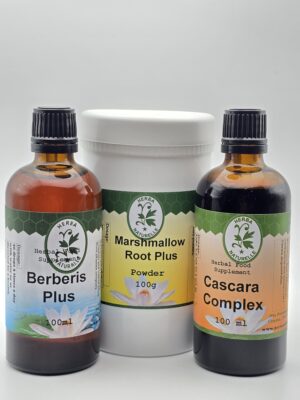 Digestive reset bundle
Original price was: £151.65.£144.95Current price is: £144.95.
-
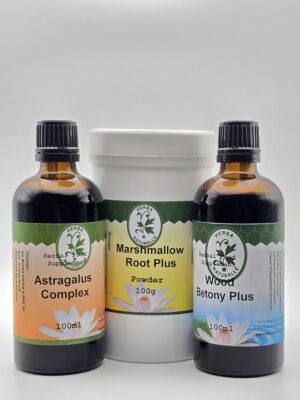 Smooth muscle and immune reset Bundle
Original price was: £177.60.£159.95Current price is: £159.95.
-
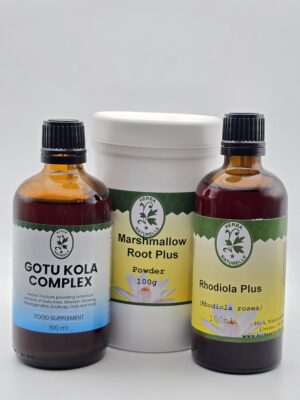 Nervous System Reset
Original price was: £163.68.£149.95Current price is: £149.95.
-
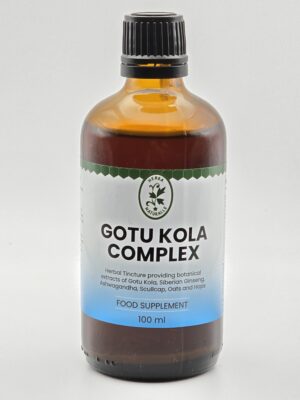 Gotu Kola Complex
£26.95


About the Author

Holistic Herbalist in UK · 30 Years of Excellence at Croydon, GB
Angela Jegnathan brings over 30 years of experience in integrated medicine and more than 25 years of full-time clinical herbal practice. Specializing in holistic herbal medicine, she focuses on restoring digestive health, calming the nervous system, and supporting the body's natural inflammatory response through evidence-based, patient-centered care.
Expertise: Holistic Herbs, Natural Medicines, Herbal Health
30 years of experience
