Cholesterol-Lowering Foods and a Heart-Healthy Diet: An NHS-Aligned Guide
Introduction
Diet is one of the most powerful tools available for protecting cardiovascular health, yet it remains one of the most misunderstood. For years, the conversation was dominated by fear of all fats, but the science has moved on significantly. Today, the NHS and leading heart organisations recommend an evidence-based dietary pattern that prioritises the quality of what you eat rather than simply cutting calories or fat. This guide brings together the most commonly searched questions about cholesterol, heart diet, and the Mediterranean approach, with practical UK-friendly advice throughout.
Understanding Cholesterol: What the Numbers Mean
Cholesterol is a fatty substance produced naturally by the liver and obtained from some foods. It is not inherently dangerous, in fact, it is essential for building cell membranes, producing hormones, and metabolising fat-soluble vitamins. The problem arises when certain forms of cholesterol accumulate in the blood and contribute to the build-up of plaques in artery walls.
Key cholesterol measurements (UK):
| Measurement | Ideal Level |
|---|---|
| Total cholesterol | Below 5.0 mmol/L |
| LDL (“bad”) cholesterol | Below 3.0 mmol/L (lower if high CV risk) |
| HDL (“good”) cholesterol | Above 1.0 mmol/L (men), above 1.2 mmol/L (women) |
| Triglycerides (fasting) | Below 1.7 mmol/L |
| Non-HDL cholesterol | Below 4.0 mmol/L |
If you have never had your cholesterol checked, speak to your GP or pharmacist. Many GP surgeries offer NHS Health Checks for adults aged 40–74, which include a cholesterol test. Home cholesterol testing is also available, read: Cholesterol Machine Test at Home: How It Works and What to Expect
Cholesterol-Lowering Foods: The Evidence-Based List
Certain foods have strong evidence for reducing LDL cholesterol and/or improving overall lipid profiles.
1. Oats and Beta-Glucan
Oats are one of the most researched cholesterol-lowering foods. The soluble fibre beta-glucan found in oats binds to cholesterol in the gut and prevents it from being absorbed. The European Food Safety Authority (EFSA) has confirmed that 3g of beta-glucan daily, achievable with a large bowl of porridge, can contribute to the maintenance of normal cholesterol levels. Barley also contains beta-glucan.
2. Nuts – Especially Walnuts and Almonds
Regular nut consumption is consistently associated with lower LDL and reduced cardiovascular risk. A small daily handful (roughly 30g) is the amount supported by research. Walnuts, almonds, pistachios, and hazelnuts all have good evidence. Choose unsalted varieties and avoid nut butters with added sugar or palm oil.
3. Oily Fish
Fatty fish such as salmon, mackerel, sardines, herring, and trout are rich in long-chain omega-3 fatty acids (EPA and DHA). These don’t lower LDL directly but significantly reduce triglycerides, improve HDL quality, reduce blood pressure, and lower the risk of arrhythmia. The NHS recommends two portions of fish per week, one of which should be oily.
4. Olive Oil
Extra virgin olive oil is rich in monounsaturated fats (oleic acid) and polyphenols that reduce LDL oxidation, the process that makes LDL cholesterol particularly damaging. Replace butter and refined vegetable oils with cold-pressed extra virgin olive oil wherever possible.
5. Legumes – Beans, Lentils, Chickpeas
High in soluble fibre and plant protein, legumes consistently reduce LDL cholesterol and improve satiety. Replacing even one or two meat-based meals per week with bean or lentil dishes has meaningful cardiovascular benefit.
6. Plant Sterols and Stanols
These compounds, found naturally in small amounts in plants but also added to certain margarines, yoghurt drinks, and orange juice (e.g., Benecol, Flora pro-activ), can lower LDL cholesterol by 10–15% when consumed daily in the amounts specified on pack (around 1.5–3g). They work by competing with dietary cholesterol for absorption in the gut.
7. Avocados
Rich in monounsaturated fat and fibre. Regular avocado consumption has been linked in several clinical trials to reductions in LDL and non-HDL cholesterol, along with improvements in the ratio of LDL to HDL.
8. Dark Chocolate and Cocoa
In modest amounts (dark chocolate 70%+, 20–30g daily), cocoa flavanols have been shown to modestly reduce LDL and improve arterial elasticity. This is not a licence to overindulge, excess calories from chocolate will undermine any benefit.
9. Green Tea
Contains catechins which have been associated in meta-analyses with modest reductions in total and LDL cholesterol. A practical daily cup or two is a straightforward addition.
10. Soya Products
Soya protein (in tofu, edamame, soya milk, and tempeh) has modest but genuine LDL-lowering effects. EFSA has approved a health claim for soya protein and cholesterol maintenance.
What to Reduce: Foods That Raise Harmful Cholesterol
- Saturated fat: found in red and processed meat, full-fat dairy, butter, ghee, lard, coconut oil, and palm oil; raises LDL cholesterol
- Trans fats: found in some processed and fried foods; raise LDL and lower HDL simultaneously (many have been phased out in the UK, but check labels for “partially hydrogenated oils”)
- Excess refined sugar and refined carbohydrates, raise triglycerides
- Alcohol: in excess raises triglycerides and can elevate blood pressure
The Mediterranean Diet: The Heart-Protective Pattern
The Mediterranean diet is consistently ranked as one of the most evidence-based dietary patterns for cardiovascular health, and the NHS recognises it as a heart-healthy approach. It is not a rigid plan but a general eating style characterised by:
- Abundant vegetables, fruits, legumes, whole grains, nuts, and seeds
- Olive oil as the primary fat
- Moderate fish and seafood consumption
- Low to moderate poultry, eggs, and dairy
- Red meat only occasionally
- Red wine in moderation (if consumed at all), but this is not a requirement
- Minimal processed and ultra-processed foods
A large Spanish trial (PREDIMED) demonstrated that a Mediterranean diet supplemented with extra virgin olive oil or nuts reduced major cardiovascular events by around 30% compared to a low-fat diet. The effect was robust enough that the trial was stopped early.
Adapting the Mediterranean Diet for UK Life
- Swap white bread for wholegrain or sourdough
- Use olive oil in cooking instead of vegetable or sunflower oil
- Add a tin of chickpeas or lentils to soups, stews, and salads
- Eat oily fish twice a week, tinned sardines, mackerel, or salmon are affordable options
- Snack on a small handful of unsalted nuts or olives instead of crisps or biscuits
- Base meals on vegetables and legumes, with smaller amounts of meat
Heart Attack Diet: Eating After a Cardiac Event
Following a heart attack, dietary change becomes even more important. The British Heart Foundation and NHS recommend:
- Following a Mediterranean-style diet as above
- Achieving a healthy body weight
- Eliminating smoking
- Limiting salt to under 6g per day to control blood pressure
- Limiting alcohol (under 14 units per week spread over 3+ days)
- Eating regular, balanced meals, skipping meals can destabilise blood sugar and energy levels
Practical heart-friendly recipe ideas are widely available online and through NHS community services. The focus should be on meals that are genuinely enjoyable and sustainable, not a punishing restriction.
Herbal Support for Cholesterol and Heart Health
Certain herbs have traditional use and emerging evidence for supporting healthy cholesterol levels and cardiovascular function:
- Guggul (Commiphora mukul): Ayurveda’s cholesterol herb: Guggul: Ayurveda’s Cholesterol Herb
- Hawthorn berries: cardiovascular tonic: Hawthorn Berries: The Heart Herb
- Artichoke: liver and lipid support: Artichoke: The Liver and Digestive Tonic
- Arjuna (Terminalia arjuna): Ayurveda’s cardiac tonic: Arjuna: Ayurveda’s Cardiac Tonic
- Turmeric: powerful anti-inflammatory with cardiovascular benefits: Turmeric: Nature’s Most Powerful Anti-Inflammatory
Our Trending Products & Bundles
-
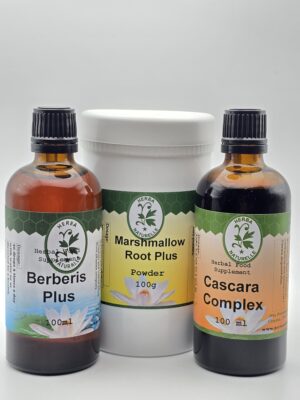 Digestive reset bundle
Original price was: £151.65.£144.95Current price is: £144.95.
Digestive reset bundle
Original price was: £151.65.£144.95Current price is: £144.95.
-
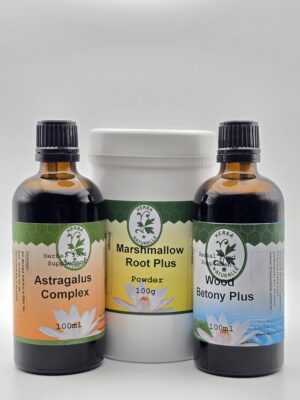 Smooth muscle and immune reset Bundle
Original price was: £177.60.£159.95Current price is: £159.95.
Smooth muscle and immune reset Bundle
Original price was: £177.60.£159.95Current price is: £159.95.
-
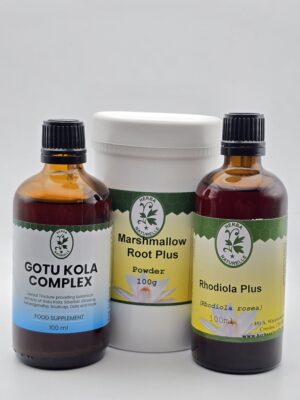 Nervous System Reset
Original price was: £163.68.£149.95Current price is: £149.95.
Nervous System Reset
Original price was: £163.68.£149.95Current price is: £149.95.
-
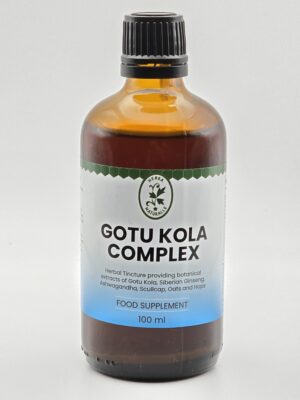 Gotu Kola Complex
£26.95
Gotu Kola Complex
£26.95


About the Author

Holistic Herbalist in UK · 30 Years of Excellence at Croydon, GB
Angela Jegnathan brings over 30 years of experience in integrated medicine and more than 25 years of full-time clinical herbal practice. Specializing in holistic herbal medicine, she focuses on restoring digestive health, calming the nervous system, and supporting the body's natural inflammatory response through evidence-based, patient-centered care.
Expertise: Holistic Herbs, Natural Medicines, Herbal Health
30 years of experience
