Cholesterol Machine Test at Home: How It Works and What to Expect
Home cholesterol testing has become increasingly accessible in the UK, with a range of devices, from pharmacy finger-prick strips to more sophisticated desktop monitors, now available without prescription. This guide explains how these devices work, what they measure, how to interpret the results, and when professional assessment is needed.
What Do Home Cholesterol Testing Machines Measure?
Home cholesterol testing machines, also called cholesterol monitors or lipid monitors, measure one or more of the following markers from a small blood sample, usually obtained by finger-prick:
Total cholesterol, the combined measurement of all cholesterol types in the blood. A total cholesterol above 5 mmol/L is considered raised in the UK, and above 7.5 mmol/L is considered high.
HDL cholesterol (high-density lipoprotein), often called “good” cholesterol because it transports cholesterol away from the arteries and back to the liver for removal. Higher HDL is protective.
LDL cholesterol (low-density lipoprotein), often called “bad” cholesterol because high levels promote the deposition of cholesterol in arterial walls. Target levels vary by individual cardiovascular risk.
Triglycerides, fats in the bloodstream that are elevated by excess sugar, refined carbohydrates, and alcohol intake. High triglycerides combined with low HDL is a particularly unfavourable pattern.
Total cholesterol to HDL ratio, used in cardiovascular risk tools including QRISK2 and QRISK3. A ratio above 6 is considered high risk; below 4 is ideal.
More sophisticated home monitors may calculate non-HDL cholesterol and estimate LDL using the Friedewald equation.
Types of Home Cholesterol Tests Available in the UK
Finger-prick test strips with a reading device, devices such as the CardioChek, Mission, and Bioptigen home cholesterol monitors use a small blood sample from a finger-prick applied to a test strip. Results are displayed digitally within a few minutes.
Pharmacy testing services, many UK pharmacies (including Boots and independent pharmacies) offer cholesterol finger-prick tests in-store, often with a brief nurse consultation. These use clinical-grade point-of-care devices and are more reliable than home consumer devices.
GP blood test, a venous blood sample taken from the arm, processed in a laboratory. This is the most accurate method and provides the most complete lipid profile. Available free on the NHS if clinically indicated.
Home blood test kits (mail-in), companies such as Medichecks and Thriva allow you to take a finger-prick blood sample at home and post it to a laboratory for processing. Results are provided online with explanatory notes. These are more accurate than point-of-care devices and provide a full lipid panel.
How Accurate Are Home Cholesterol Machines?
Home cholesterol monitors are useful for monitoring trends but have limitations compared to laboratory analysis:
- Most consumer-grade devices have an accuracy range of ±10–15% compared to laboratory values
- Results are sensitive to technique, incorrect finger-prick technique, squeezing the finger to get more blood, or insufficient blood volume all affect accuracy
- Fasting status affects triglyceride measurements significantly (you should ideally fast for 8–12 hours before a full lipid panel)
- Temperature and humidity can affect test strip accuracy
- Device calibration varies between models, not all home devices are validated against laboratory methods
For clinical decision-making, including whether to start a statin, a laboratory result from a GP or private blood test service is always preferable.
Understanding Your Cholesterol Results
UK reference ranges (NHS):
| Measure | Desirable |
| Total cholesterol | Below 5 mmol/L |
| HDL (men) | Above 1 mmol/L |
| HDL (women) | Above 1.2 mmol/L |
| LDL | Below 3 mmol/L (lower for high-risk individuals) |
| Triglycerides (fasting) | Below 1.7 mmol/L |
| Total cholesterol/HDL ratio | Below 4 |
These are general population targets. Individuals with established cardiovascular disease, diabetes, or chronic kidney disease have more stringent targets set by their clinical team.
What Affects Cholesterol Levels?
Diet, saturated fat raises LDL; soluble fibre, plant sterols, and omega-3 fatty acids lower it. Trans fats raise LDL and lower HDL simultaneously.
Physical activity, regular aerobic exercise raises HDL.
Weight, excess weight, particularly abdominal adiposity, raises LDL and triglycerides and lowers HDL.
Alcohol, moderate alcohol raises HDL modestly; excess alcohol raises triglycerides significantly.
Genetics, familial hypercholesterolaemia (FH) is an inherited condition causing very high LDL regardless of diet. It affects approximately 1 in 250 people in the UK and often requires medication from an early age.
Thyroid function, hypothyroidism raises LDL significantly; thyroid testing should always accompany a high cholesterol result.
A Herbal Medicine Perspective on Cholesterol
At Herba Naturalle, raised cholesterol is understood not simply as a number to be lowered with medication, but as a reflection of broader digestive, hepatic (liver), and inflammatory health. The liver is responsible for cholesterol synthesis and clearance, when liver function is impaired by chronic digestive burden, toxin accumulation, or inflammatory load, cholesterol metabolism becomes dysregulated.
The Berberis Plus, containing artichoke and yellow dock alongside barberry, supports liver function and bile flow, directly influencing cholesterol metabolism. The Digestive Reset Bundle addresses the digestive foundations of healthy lipid metabolism.
Read more at About Herbal Medicine or contact the clinic for a personal consultation.
The Herba Naturalle 3-Step Bundle
The Herba Naturalle Bundle supports healthy cholesterol metabolism through three steps:
Step 1, Restore Digestion: The Digestive Reset Bundle improves liver function, bile production, and the elimination of cholesterol through the digestive pathway.
Step 2, Calm the Surface Nervous System: Chronic stress impairs liver function and worsens lipid metabolism. The Nervous System Reset addresses this.
Step 3, Heal the Smooth Muscle Lining: The Smooth Muscle and Immune Reset Bundle reduces the arterial wall inflammation that makes raised cholesterol particularly dangerous.
This article is for informational purposes only. Please consult your GP before making any changes based on a home cholesterol test result, particularly regarding medication.
Our Trending Products & Bundles
-
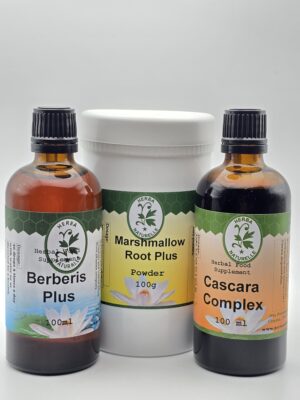 Digestive reset bundle
Original price was: £151.65.£144.95Current price is: £144.95.
Digestive reset bundle
Original price was: £151.65.£144.95Current price is: £144.95.
-
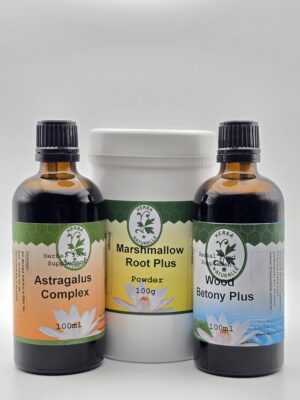 Smooth muscle and immune reset Bundle
Original price was: £177.60.£159.95Current price is: £159.95.
Smooth muscle and immune reset Bundle
Original price was: £177.60.£159.95Current price is: £159.95.
-
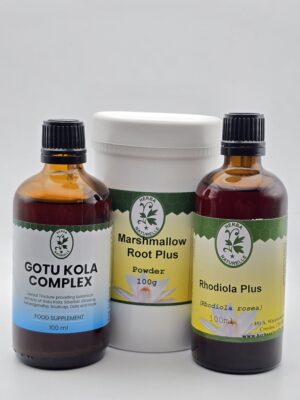 Nervous System Reset
Original price was: £163.68.£149.95Current price is: £149.95.
Nervous System Reset
Original price was: £163.68.£149.95Current price is: £149.95.
-
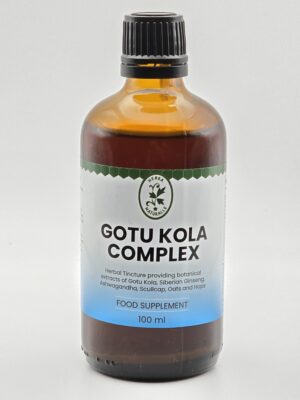 Gotu Kola Complex
£26.95
Gotu Kola Complex
£26.95


About the Author

Holistic Herbalist in UK · 30 Years of Excellence at Croydon, GB
Angela Jegnathan brings over 30 years of experience in integrated medicine and more than 25 years of full-time clinical herbal practice. Specializing in holistic herbal medicine, she focuses on restoring digestive health, calming the nervous system, and supporting the body's natural inflammatory response through evidence-based, patient-centered care.
Expertise: Holistic Herbs, Natural Medicines, Herbal Health
30 years of experience
