
Gut and Digestive Health: Understanding Your Digestive System from Top to Bottom
Introduction
The digestive system is, quite literally, at the centre of your health. When it functions well, you absorb nutrients, manage inflammation, regulate immunity, and maintain energy. When it doesn’t, the ripple effects can extend to your skin, your mood, your joints, and your sleep. This guide walks through the digestive system from start to finish, explains the most commonly searched symptoms, and outlines both conventional and herbal approaches to better gut health.
Digestive System Anatomy: The Digestive Canal
The digestive canal, also called the gastrointestinal (GI) tract or alimentary canal, is a muscular tube roughly nine metres long that runs from the mouth to the anus. Its key sections include:
Upper GI Tract:
- Mouth, oesophagus, stomach, and duodenum (the first section of the small intestine)
- Responsible for the initial breakdown of food via chewing, acid, and digestive enzymes
Small Intestine:
- Three sections: duodenum, jejunum, and ileum
- Where the majority of nutrient absorption takes place
- Also home to a huge proportion of the immune system
Large Intestine (Colon):
- Absorbs water and electrolytes
- Houses the bulk of the gut microbiome, the trillions of bacteria that influence everything from digestion to mental health
- Produces the stool that is eventually eliminated
For a full visual overview, see: Gastrointestinal Chart: Understanding Your Gut Health at a Glance
And for a more detailed look at the upper digestive tract specifically: Upper GI: Understanding the Upper Gastrointestinal Tract and Its Conditions
Signs of Stomach Problems in Adults
Most adults experience some form of digestive discomfort at some point. Knowing which symptoms are worth watching and which might need medical attention is crucial.
Common signs of stomach and digestive problems:
- Persistent or recurrent bloating after meals
- Abdominal pain or cramping, particularly if localised to one area
- Nausea or a feeling of fullness even after small meals
- Acid reflux or heartburn
- Indigestion (dyspepsia), upper abdominal discomfort, belching, or bloating shortly after eating
- Constipation or loose stools, especially if alternating
- Unexplained weight loss (always worth investigating)
- Blood in the stool (always requires urgent attention)
Indigestion: What It Is and What Helps
Indigestion (dyspepsia) is a broad term covering discomfort or pain in the upper abdomen, often associated with eating. Causes range from eating too quickly to acid reflux, gastritis, or a Helicobacter pylori infection.
Lifestyle adjustments that help:
- Eat smaller meals and chew thoroughly
- Avoid lying down for at least two hours after eating
- Reduce fatty, spicy, and acidic foods
- Limit alcohol and caffeine
- Don’t smoke
Herbal support for indigestion: Bitters are a cornerstone of herbal digestive medicine, they stimulate the production of stomach acid, bile, and digestive enzymes, helping the gut do its job more efficiently.
- Gentian root (Gentiana lutea): the classic digestive bitter: Gentian Root: The King of Bitters
- Dandelion root: liver and digestive support: Dandelion Root: The Liver and Digestive Bitter
- German Chamomile: anti-inflammatory and antispasmodic for the gut lining: German Chamomile Flowers: The Anti-Inflammatory Chamomile
- Peppermint: clinically validated for digestive discomfort: Peppermint Leaf: The Most Clinically Validated Digestive Herb
Bloating and Stomach Discomfort
Bloating is one of the most common digestive complaints in the UK, affecting an estimated 30–40% of the population at some point. It is the sensation of fullness, tightness, or visible distension in the abdomen and can have many causes:
- Swallowing air (aerophagia), often from eating quickly or talking while eating
- Excess gas production from fermentation of certain carbohydrates in the colon
- Constipation
- Food intolerances (particularly lactose and gluten)
- IBS or IBD
- Hormonal fluctuations (many women notice more bloating around their period)
Foods That Help With Bloating
Some foods are known to reduce gas production and support gut motility:
- Fennel: carminative herb that relaxes intestinal muscle spasms: Fennel Seed: The Ultimate Digestive Carminative
- Ginger: warming and anti-nausea
- Peppermint tea: relaxes gut smooth muscle
- Live yoghurt and fermented foods: support a healthy gut microbiome
Foods that commonly worsen bloating include beans, onions, garlic, cabbage, carbonated drinks, artificial sweeteners, and wheat for those with sensitivity. See our deeper dive: Trapped Wind Relief: Fast and Long-Lasting Solutions
Your Gut Microbiome: The Hidden Ecosystem
The gut microbiome consists of trillions of bacteria, fungi, and other microorganisms living in the digestive tract. A diverse, balanced microbiome is associated with better digestion, stronger immunity, improved mood, and lower rates of chronic disease. Dysbiosis, an imbalance in the microbiome, has been linked to IBS, IBD, obesity, depression, and even cardiovascular disease.
Supporting your microbiome:
- Eat a wide variety of plant foods (aim for 30 different plants per week)
- Include fermented foods: kefir, live yoghurt, sauerkraut, kimchi
- Reduce ultra-processed foods and excess sugar
- Stay well hydrated
- Avoid unnecessary antibiotics where possible
For more on gut health and what it means for your wider wellbeing: 10 Signs of an Unhealthy Gut: What Your Body Is Telling You
How Digestive Enzymes Support Gut Health
When stomach acid is low, or the pancreas isn’t producing sufficient enzymes, food passes through only partially digested. This leads to fermentation, gas, bloating, and poor nutrient absorption. Digestive enzyme supplements can support people with these issues, particularly those with exocrine pancreatic insufficiency, those who have had stomach surgery, or those with signs of enzyme insufficiency. Read more: Enzyme Digest: How Digestive Enzymes Work and When You Need Them
Marshmallow Root and Slippery Elm: Gut Lining Healers
In herbal medicine, demulcent herbs that coat and soothe the gut lining are invaluable for conditions ranging from acid reflux to leaky gut. Two of the most clinically respected are:
- Marshmallow root (Althaea officinalis): Marshmallow Root: The Deep Gut Lining Healer
- Slippery elm (Ulmus fulva): Slippery Elm: The Supreme Gut Soother
When to See a Doctor About Digestive Symptoms
While most digestive complaints are benign, certain symptoms always require prompt medical assessment:
- Blood in the stool (red or black, tarry)
- Unexplained and unintentional weight loss
- Persistent difficulty swallowing
- Vomiting blood
- Abdominal pain that is severe or worsening
- Symptoms in anyone over 45 that are new or changing
- A family history of bowel cancer or inflammatory bowel disease
Our Trending Products & Bundles
-
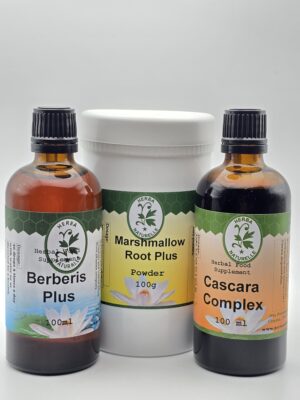 Digestive reset bundle
Original price was: £151.65.£144.95Current price is: £144.95.
Digestive reset bundle
Original price was: £151.65.£144.95Current price is: £144.95.
-
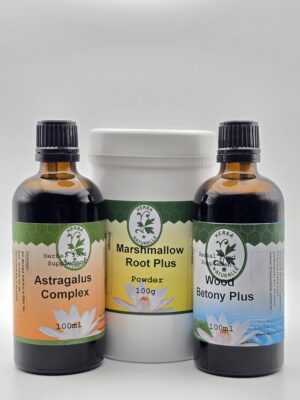 Smooth muscle and immune reset Bundle
Original price was: £177.60.£159.95Current price is: £159.95.
Smooth muscle and immune reset Bundle
Original price was: £177.60.£159.95Current price is: £159.95.
-
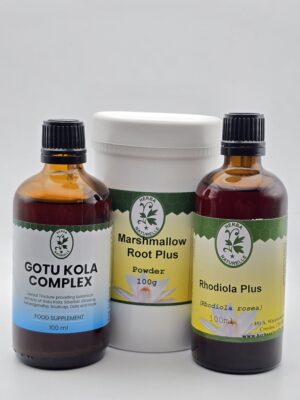 Nervous System Reset
Original price was: £163.68.£149.95Current price is: £149.95.
Nervous System Reset
Original price was: £163.68.£149.95Current price is: £149.95.
-
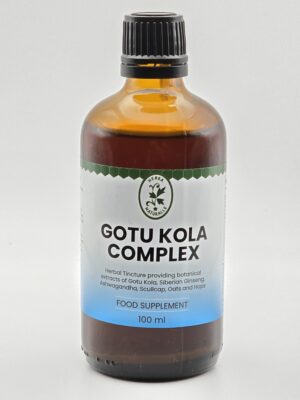 Gotu Kola Complex
£26.95
Gotu Kola Complex
£26.95


About the Author

Holistic Herbalist in UK · 30 Years of Excellence at Croydon, GB
Angela Jegnathan brings over 30 years of experience in integrated medicine and more than 25 years of full-time clinical herbal practice. Specializing in holistic herbal medicine, she focuses on restoring digestive health, calming the nervous system, and supporting the body's natural inflammatory response through evidence-based, patient-centered care.
Expertise: Holistic Herbs, Natural Medicines, Herbal Health
30 years of experience
