
Gastrointestinal Chart: Understanding Your Gut Health at a Glance
Monitoring your gastrointestinal health does not require laboratory tests alone. Several validated visual and descriptive tools help both patients and clinicians assess gut function and identify patterns that point toward specific digestive conditions. This article explains the most widely used gastrointestinal charts, what they measure, and how to use them.
The Bristol Stool Form Scale
The Bristol Stool Form Scale is the most widely used gastrointestinal chart in clinical and research settings. Developed at the University of Bristol in the 1990s, it classifies stool into seven types based on shape and consistency, providing an indirect measure of intestinal transit time.
Type 1: Separate hard lumps, like nuts, very slow transit (severe constipation). Stool has spent too long in the colon and has become excessively hard and dry.
Type 2: Sausage-shaped but lumpy, slow transit (constipation). Stool consistency is firm.
Type 3: Like a sausage but with cracks on the surface, normal; slightly on the firm side.
Type 4: Like a sausage or snake, smooth and soft, this is the ideal; reflects healthy transit time.
Type 5: Soft blobs with clear cut edges, slightly fast transit; loose but not liquid.
Type 6: Fluffy pieces with ragged edges, mushy consistency, fast transit; bordering on diarrhoea.
Type 7: Watery, no solid pieces, entirely liquid, very fast transit (diarrhoea).
Types 3 and 4 are considered normal and healthy. Types 1 and 2 indicate constipation; Types 6 and 7 indicate diarrhoea. Types 5–7 with frequency in people with IBS often indicate IBS-D (IBS with diarrhoea).
What Your Stool Colour Tells You
Colour is a separate but important dimension of stool assessment:
Brown (various shades): Normal. The brown colour is produced by stercobilin, a breakdown product of haemoglobin processed through the liver and excreted in bile.
Yellow or pale: May indicate reduced bile flow, potentially related to liver, gallbladder, or bile duct function. Also seen with fat malabsorption (steatorrhoea), where stools are pale, greasy, and difficult to flush.
Green: Can be normal, particularly with high vegetable intake or fast transit time (bile pigments that would normally be broken down are excreted before conversion). Also seen with certain medications or food colouring.
Black, tarry (melaena): Potentially serious, can indicate bleeding in the upper gastrointestinal tract (stomach or duodenum). Seek medical attention promptly. (Note: iron supplements and bismuth-containing products can also cause black stools, distinguish by consistency and context.)
Bright red blood: Usually indicates bleeding in the lower GI tract, haemorrhoids, anal fissures, or, more seriously, bowel disease or cancer. Always discuss bright red rectal bleeding with your GP.
White or clay-coloured: Can indicate absence of bile, associated with biliary obstruction. Requires urgent medical investigation.
Bowel Frequency Chart
Normal bowel frequency ranges from three times per day to three times per week. This wide range reflects the significant individual variation in transit time that is entirely normal.
Key questions to assess:
- Has your bowel frequency changed from your usual pattern? (Change is often more significant than absolute frequency)
- Do you feel you empty fully when you open your bowels?
- Is there urgency, straining, or pain associated with bowel movements?
- Is the frequency associated with particular foods, stress, or activities?
Upper Gastrointestinal Symptom Chart
Upper GI symptoms can also be mapped systematically:
| Symptom | Common Associations |
| Heartburn / acid taste | GORD, hiatus hernia, H. pylori |
| Early fullness | Gastroparesis, functional dyspepsia |
| Nausea after eating | Gastritis, gallbladder dysfunction |
| Belching | Aerophagia, GORD, H. pylori |
| Upper abdominal pain relieved by eating | Duodenal ulcer |
| Upper abdominal pain worsened by eating | Gastric ulcer, gastritis |
Using a Gut Health Chart Proactively
Keeping a simple gut health diary using the Bristol Stool Scale alongside a symptom and food diary is one of the most useful self-monitoring tools available. It allows:
- Identification of personal dietary triggers
- Tracking of responses to interventions (dietary changes, probiotics, herbal medicine)
- Meaningful communication with your GP or clinical herbalist about patterns and changes
A Herbalist’s Approach to Gut Health Assessment
At Herba Naturalle, Anjela Jeganathan takes a detailed case history that goes well beyond symptom checklists, examining the pattern, quality, and rhythm of bowel function alongside the broader clinical picture of digestive health. This is the foundation for a targeted herbal programme.
The Berberis Plus and Marshmallow Root Plus are the two core digestive formulas in the Digestive Reset Bundle, designed to restore bowel rhythm, soothe the gut lining, and rebuild digestive function from the ground up.
Contact the clinic to discuss your gut health in detail. Read more at About Herbal Medicine.
The Herba Naturalle 3-Step Bundle
The Herba Naturalle Bundle addresses gut health at every level through three steps:
Step 1, Restore Digestion: The Digestive Reset Bundle improves bowel rhythm, transit time, and the digestive chemistry that keeps your Bristol Stool Scale in the ideal range.
Step 2, Calm the Surface Nervous System: The Nervous System Reset addresses the gut-brain axis, because the nervous system directly regulates bowel motility.
Step 3, Heal the Smooth Muscle Lining: The Smooth Muscle and Immune Reset Bundle repairs the structural bowel wall, the root of both constipation and diarrhoea-predominant patterns.
This article is for informational purposes only. Please see your GP if you notice changes in bowel habit, blood in stool, or other concerning symptoms.
Our Trending Products & Bundles
-
 Digestive reset bundle
Original price was: £151.65.£144.95Current price is: £144.95.
Digestive reset bundle
Original price was: £151.65.£144.95Current price is: £144.95.
-
 Smooth muscle and immune reset Bundle
Original price was: £177.60.£159.95Current price is: £159.95.
Smooth muscle and immune reset Bundle
Original price was: £177.60.£159.95Current price is: £159.95.
-
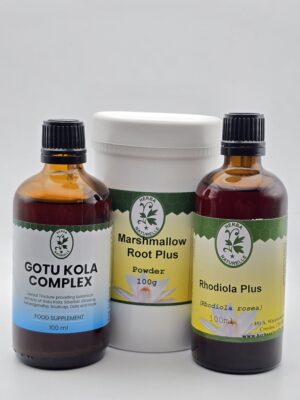 Nervous System Reset
Original price was: £163.68.£149.95Current price is: £149.95.
Nervous System Reset
Original price was: £163.68.£149.95Current price is: £149.95.
-
 Gotu Kola Complex
£26.95
Gotu Kola Complex
£26.95


About the Author

Holistic Herbalist in UK · 30 Years of Excellence at Croydon, GB
Angela Jegnathan brings over 30 years of experience in integrated medicine and more than 25 years of full-time clinical herbal practice. Specializing in holistic herbal medicine, she focuses on restoring digestive health, calming the nervous system, and supporting the body's natural inflammatory response through evidence-based, patient-centered care.
Expertise: Holistic Herbs, Natural Medicines, Herbal Health
30 years of experience
