
Upper GI: Understanding the Upper Gastrointestinal Tract and Its Conditions
The term “upper GI” refers to the upper gastrointestinal tract, the first section of the digestive system. Understanding what it encompasses, what can go wrong, and how it influences overall health is relevant to anyone experiencing symptoms in the chest, throat, or upper abdomen.
What Is the Upper GI Tract?
The upper gastrointestinal (GI) tract refers to the organs from the mouth to the beginning of the small intestine. It includes:
- Mouth and pharynx, where food is chewed and swallowed
- Oesophagus, the muscular tube carrying food from the mouth to the stomach, approximately 25 cm long
- Stomach, the muscular sac where food is mixed with gastric acid and digestive enzymes; food typically remains here for 2–4 hours
- Duodenum, the first section of the small intestine; where bile from the gallbladder and pancreatic enzymes enter to continue digestion
The lower GI tract, the jejunum, ileum, and large intestine, begins from the second part of the small intestine onwards.
Common Upper GI Conditions
Gastro-oesophageal reflux disease (GORD) is the most common upper GI condition in the UK. It occurs when stomach acid flows back (refluxes) into the oesophagus, causing heartburn, regurgitation, and sometimes damage to the oesophageal lining. Chronic GORD can lead to Barrett’s oesophagus, a pre-cancerous change in the oesophageal tissue, if left untreated.
Gastritis, inflammation of the stomach lining. Can be acute (sudden onset, often caused by NSAIDs, alcohol, or infection with Helicobacter pylori) or chronic (long-standing, often associated with H. pylori or autoimmune processes). Symptoms include upper abdominal pain, nausea, bloating, and loss of appetite.
Peptic ulcer disease, ulcers (open sores) in the stomach (gastric ulcers) or the duodenum (duodenal ulcers). The most common causes are H. pylori infection and long-term NSAID use. Symptoms include burning upper abdominal pain, often improving briefly after eating (duodenal) or worsening with eating (gastric).
Hiatus hernia, occurs when a portion of the stomach pushes upward through the diaphragm into the chest cavity. Common and often asymptomatic, but can cause or worsen GORD symptoms.
Helicobacter pylori infection, a bacterial infection of the stomach lining present in approximately 40–50% of the global population. Strongly associated with gastritis, peptic ulcer disease, and a small increased risk of stomach cancer. Treatable with a combination of antibiotics and acid-suppressing medication.
Functional dyspepsia, recurring upper abdominal discomfort, bloating, nausea, and early fullness without an identifiable structural cause. Treated by addressing diet, stress, and in some cases medication. Closely related to IBS from a functional medicine perspective.
Oesophageal dysmotility, impaired muscular function of the oesophagus, causing difficulty swallowing (dysphagia) or a sensation of food sticking. Can be primary (achalasia, oesophageal spasm) or secondary to other conditions.
Upper GI Symptoms That Require Medical Attention
The following symptoms warrant prompt GP assessment:
- Difficulty swallowing (dysphagia) or painful swallowing (odynophagia)
- Persistent heartburn or regurgitation that does not respond to antacids
- Unexplained weight loss
- Loss of appetite
- Vomiting blood or passing black, tarry stools (which may indicate bleeding in the upper GI tract)
- Persistent upper abdominal pain
- Symptoms beginning after age 55 in someone with no previous GI history
How Upper GI Health Affects the Whole Body
The upper GI tract is not merely a food-processing system. It influences:
Nutrient absorption, inadequate acid production (common with age, stress, and certain medications) impairs the absorption of iron, vitamin B12, calcium, magnesium, and zinc. These deficiencies have wide-ranging consequences for energy, immunity, bone health, and neurological function.
Immune function, the stomach’s acidic environment provides a primary line of defence against pathogens. Reduced gastric acid (often due to acid-suppressing medications) can increase susceptibility to gut infections.
Gut-brain axis, the enteric nervous system, the gut’s own nervous system, begins in the oesophagus and stomach. Upper GI dysfunction frequently co-occurs with anxiety and depression, reflecting the bidirectional gut-brain relationship.
A Herbalist’s Approach to Upper GI Health
At Herba Naturalle, upper GI conditions are approached through the lens of the smooth muscle lining, the layer that surrounds and regulates the oesophagus, stomach, and duodenum. When this lining is chronically inflamed, the gut loses its ability to regulate acid secretion, gastric emptying, and protective mucus production.
The Marshmallow Root Plus, containing Althaea officinalis, is a powerful demulcent specifically suited to soothing and protecting the upper GI lining. The Berberis Plus supports bile flow and digestive secretion, improving upper digestive function overall. Together they form part of the Digestive Reset Bundle.
Read more at About Herbal Medicine or contact the clinic.
The Herba Naturalle 3-Step Bundle
The Herba Naturalle Bundle supports upper GI health through three sequential steps:
Step 1, Restore Digestion: The Digestive Reset Bundle restores the digestive fire, bile flow, and gastric rhythm that are the foundation of upper GI health.
Step 2, Calm the Surface Nervous System: The gut-brain axis means stress directly drives upper GI symptoms. The Nervous System Reset addresses this.
Step 3, Heal the Smooth Muscle Lining: The Smooth Muscle and Immune Reset Bundle heals the mucosal and smooth muscle lining of the entire upper GI tract.
This article is for informational purposes only. Always see your GP if you have persistent or concerning upper GI symptoms, particularly those listed above as requiring urgent assessment.
Our Trending Products & Bundles
-
 Digestive reset bundle
Original price was: £151.65.£144.95Current price is: £144.95.
Digestive reset bundle
Original price was: £151.65.£144.95Current price is: £144.95.
-
 Smooth muscle and immune reset Bundle
Original price was: £177.60.£159.95Current price is: £159.95.
Smooth muscle and immune reset Bundle
Original price was: £177.60.£159.95Current price is: £159.95.
-
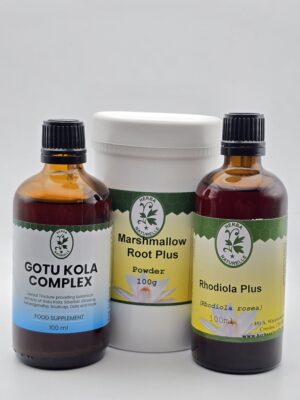 Nervous System Reset
Original price was: £163.68.£149.95Current price is: £149.95.
Nervous System Reset
Original price was: £163.68.£149.95Current price is: £149.95.
-
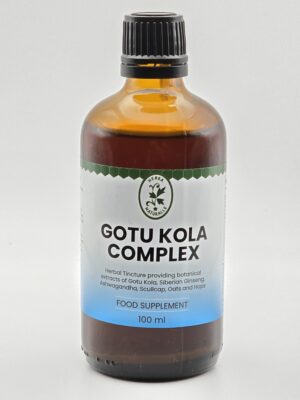 Gotu Kola Complex
£26.95
Gotu Kola Complex
£26.95


About the Author

Holistic Herbalist in UK · 30 Years of Excellence at Croydon, GB
Angela Jegnathan brings over 30 years of experience in integrated medicine and more than 25 years of full-time clinical herbal practice. Specializing in holistic herbal medicine, she focuses on restoring digestive health, calming the nervous system, and supporting the body's natural inflammatory response through evidence-based, patient-centered care.
Expertise: Holistic Herbs, Natural Medicines, Herbal Health
30 years of experience
