Resting Heart Rate, Blood Pressure and Heart Health: What the NHS Charts Really Mean
Introduction
Your heart beats roughly 100,000 times each day, and the two numbers that tell you most about how well it’s coping are your resting heart rate and your blood pressure. Yet most people in the UK only glance at these figures at a GP appointment and promptly forget them. Understanding what the NHS charts actually mean and what to do when the numbers are off, can genuinely save lives.
This article brings together the most commonly searched questions around heart rate, blood pressure, angina, heart failure, and cardiovascular disease, and explains how a joined-up approach, including diet, lifestyle, and herbal support, can make a lasting difference.
What Is a Normal Resting Heart Rate?
A healthy resting heart rate for most adults sits between 60 and 100 beats per minute (bpm). The NHS resting heart rate chart places the optimal range for general adults at 60–80 bpm, with trained athletes often dipping lower, sometimes into the 40s, without any cause for concern.
Normal Heart Rate for Women
Women’s hearts tend to beat slightly faster than men’s on average. A normal resting heart rate for a woman is generally considered to be between 60 and 90 bpm, though individual variation is wide. Hormonal fluctuations across the menstrual cycle, pregnancy, and the menopause can all temporarily shift resting heart rate.
If your resting heart rate is consistently above 100 bpm, this is known as tachycardia and warrants investigation. Tachycardia can be benign (caused by caffeine, stress, or dehydration) or it can signal an underlying heart problem. Persistent or unexplained tachycardia should always be assessed by your GP.
How to Measure Your Resting Heart Rate Accurately
- Sit quietly for five minutes before checking
- Place two fingers (not your thumb) on the inside of your wrist, just below the thumb-side
- Count beats for 60 seconds, or 30 seconds and double it
- Measure first thing in the morning before caffeine for the most reliable reading
Understanding Your NHS Blood Pressure Chart
Blood pressure is recorded as two numbers: systolic (when the heart contracts) over diastolic (when it rests). According to NHS guidance:
| Category | Systolic (mmHg) | Diastolic (mmHg) |
|---|---|---|
| Low (hypotension) | Below 90 | Below 60 |
| Optimal | 90–119 | 60–79 |
| Normal | 120–129 | 80–84 |
| High–normal | 130–139 | 85–89 |
| High (Stage 1) | 140–159 | 90–99 |
| High (Stage 2) | 160+ | 100+ |
For a detailed NHS chart breakdown with age ranges, see our dedicated article: Blood Pressure Range NHS: Understanding the Numbers and Categories
The NHS-recommended home monitor should give readings on the upper arm, not the wrist, for accuracy. Wrist monitors can overread in certain positions.
High Blood Pressure: Why It Matters and How to Reduce It
High blood pressure (hypertension) affects around one in three adults in the UK. It rarely causes symptoms until something goes seriously wrong, which is why it’s known as the “silent killer.” Over time, persistently elevated pressure damages blood vessel walls, the kidneys, the eyes, and the heart itself.
Lifestyle Approaches to Reducing High Blood Pressure
- Reduce salt intake to under 6g per day (one teaspoon)
- Eat a DASH or Mediterranean diet rich in potassium, magnesium, and fibre
- Exercise regularly, 150 minutes of moderate activity per week is the NHS target
- Limit alcohol to under 14 units per week
- Quit smoking, nicotine constricts blood vessels immediately
- Manage stress, chronic stress keeps cortisol and adrenaline elevated
For a more detailed NHS-aligned guide, read: How to Lower Blood Pressure: NHS-Aligned Guidance and Natural Support and How to Reduce Blood Pressure: NHS Guidance and Complementary Natural Approaches
Herbal Approaches
Several well-studied herbs can support healthy blood pressure as part of a wider lifestyle programme:
- Hawthorn (Crataegus laevigata): has a long tradition of use for the cardiovascular system. Read more: Hawthorn Berries: The Heart Herb and Hawthorn Tops: The Cardiac Nervine
- Olive leaf (Olea europaea): traditional Mediterranean use for circulatory support. See: Olive: The Mediterranean Cardiovascular Herb
- Mistletoe (Viscum album): has hypotensive properties in traditional herbal use. Read: Mistletoe Leaf: The Immune and Hypotensive Specialist
- Celery seed (Apium graveolens): read: Celery Seed: The Gout and Blood Pressure Herb
Always speak with a qualified medical herbalist or your GP before starting herbal remedies alongside prescribed medication.
Angina: What It Feels Like in Women
Angina is chest pain or discomfort caused by reduced blood flow to the heart muscle, usually due to narrowing of the coronary arteries. Classic angina presents as a tight, heavy, or squeezing sensation in the chest, but women frequently experience it differently.
Angina Symptoms in Women
In women, angina may present as:
- Aching or burning in the chest rather than sharp pressure
- Pain that spreads to the jaw, neck, back, or both arms (rather than just the left arm)
- Nausea, breathlessness, or unusual fatigue
- Discomfort that comes on with emotional stress as well as physical exertion
- Symptoms that are subtler, less predictable, and more easily mistaken for indigestion or anxiety
If you experience any of these symptoms, especially if they occur on exertion and settle with rest, see your GP promptly. Do not wait to see if it improves on its own.
Heart Failure (CHF) Symptoms in Women
Congestive heart failure (CHF) occurs when the heart is unable to pump blood efficiently enough to meet the body’s needs. Like angina, women’s symptoms of heart failure are often overlooked or attributed to other causes.
Common signs to be aware of include:
- Breathlessness, particularly on lying flat or during mild activity
- Persistent fatigue and weakness
- Swollen ankles, feet, or abdomen (fluid retention)
- A persistent cough or wheeze (sometimes producing white or pink mucus)
- Rapid or irregular heartbeat
- Difficulty concentrating or reduced mental alertness
Heart failure progresses through stages (from NYHA Class I through IV), and early diagnosis makes a significant difference to outcomes. If you notice these symptoms, especially in combination, seek medical advice without delay.
Cardiovascular Disease: The Bigger Picture
Cardiovascular disease (CVD) remains the leading cause of death in the UK, accounting for around a quarter of all deaths. CVD encompasses coronary artery disease (CAD), heart failure, stroke, and peripheral arterial disease.
Your 10-year cardiovascular risk can be estimated using the QRISK2 or QRISK3 calculator, which your GP will often complete at NHS Health Checks. For an explanation of what this score means for you: Cardiovascular Disease 10-Year Risk Score: Understanding and Reducing Your Risk
Understanding the relationship between inflammation and cardiovascular disease is also increasingly important. See: Healing the Heart: Understanding and Reversing Inflammation in the Cardiovascular System
Hypertrophic Cardiomyopathy (HCM) and Heart Wall Thickness
HCM is a condition in which the heart muscle walls become abnormally thick, making it harder for the heart to pump blood. It affects roughly 1 in 500 people in the UK and is a significant cause of sudden cardiac death in younger people and athletes.
Signs that may prompt investigation include:
- Breathlessness during exercise
- Chest pain or pressure
- Fainting or near-fainting, especially during activity
- An irregular or rapid heartbeat
- Family history of sudden unexplained death at a young age
HCM is diagnosed via echocardiogram (heart ultrasound). If you or a family member are concerned, a GP referral for cardiac assessment is the first step.
When to Seek Urgent Help
Seek emergency medical help (call 999) if you experience:
- Sudden severe chest pain that does not settle within a few minutes
- Chest pain accompanied by sweating, nausea, or breathlessness
- A sudden racing heart rate that does not slow with rest
- Sudden collapse or loss of consciousness
Do not drive yourself to hospital if you think you are having a heart attack.
Our Trending Products & Bundles
-
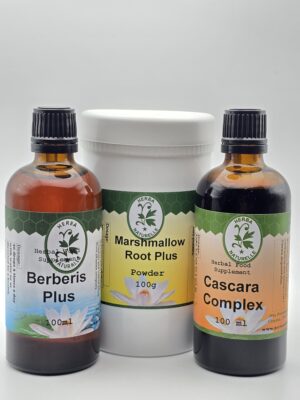 Digestive reset bundle
Original price was: £151.65.£144.95Current price is: £144.95.
Digestive reset bundle
Original price was: £151.65.£144.95Current price is: £144.95.
-
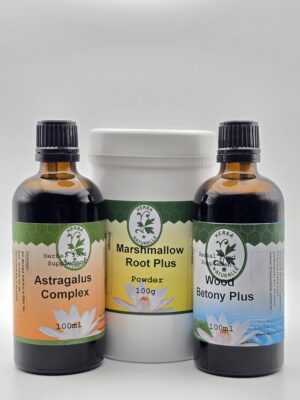 Smooth muscle and immune reset Bundle
Original price was: £177.60.£159.95Current price is: £159.95.
Smooth muscle and immune reset Bundle
Original price was: £177.60.£159.95Current price is: £159.95.
-
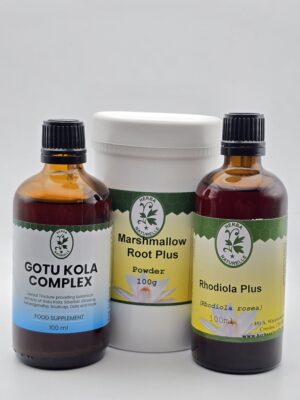 Nervous System Reset
Original price was: £163.68.£149.95Current price is: £149.95.
Nervous System Reset
Original price was: £163.68.£149.95Current price is: £149.95.
-
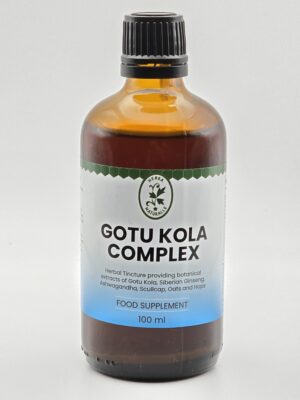 Gotu Kola Complex
£26.95
Gotu Kola Complex
£26.95


About the Author

Holistic Herbalist in UK · 30 Years of Excellence at Croydon, GB
Angela Jegnathan brings over 30 years of experience in integrated medicine and more than 25 years of full-time clinical herbal practice. Specializing in holistic herbal medicine, she focuses on restoring digestive health, calming the nervous system, and supporting the body's natural inflammatory response through evidence-based, patient-centered care.
Expertise: Holistic Herbs, Natural Medicines, Herbal Health
30 years of experience
