How to Reduce Blood Pressure: NHS Guidance and Complementary Natural Approaches
High blood pressure (hypertension) is one of the most common chronic conditions in the UK, affecting approximately one in three adults. It is also one of the most modifiable, meaning that lifestyle changes can have a significant and meaningful impact, often before medication becomes necessary. This guide covers the NHS-recommended approaches to reducing blood pressure alongside complementary natural strategies.
Understanding High Blood Pressure
Blood pressure is the force that blood exerts against the walls of arteries as the heart pumps it around the body. It is measured in two numbers:
- Systolic pressure (the top number), the pressure when the heart beats
- Diastolic pressure (the bottom number), the pressure when the heart rests between beats
A reading consistently above 140/90 mmHg is classified as high blood pressure (hypertension). The NHS recommends that readings between 120/80 and 140/90 are treated as a warning zone, sometimes called stage 1 or pre-hypertension, where lifestyle changes are the primary intervention.
NHS-Recommended Ways to Reduce Blood Pressure
1. Reduce Salt Intake
Excess dietary sodium causes the body to retain water, which increases the volume of blood in circulation and raises blood pressure. The NHS recommends consuming no more than 6g of salt per day (roughly one teaspoon). Practical steps include:
- Avoiding processed and packaged foods (which account for the majority of UK salt intake)
- Using herbs and spices to flavour food instead of salt
- Checking labels, anything over 1.5g of salt per 100g is considered high
2. Eat a Heart-Healthy Diet
The DASH (Dietary Approaches to Stop Hypertension) diet, endorsed by NHS guidelines, emphasises:
- Plenty of fruits and vegetables
- Whole grains over refined carbohydrates
- Low-fat dairy or dairy alternatives
- Lean protein sources such as fish, poultry, and legumes
- Foods rich in potassium (bananas, sweet potato, leafy greens), potassium counteracts the blood pressure-raising effects of sodium
- Reducing saturated fat and red meat
3. Exercise Regularly
Regular aerobic exercise lowers both systolic and diastolic blood pressure. The NHS recommends at least 150 minutes of moderate-intensity activity per week, such as brisk walking, cycling, or swimming. Strength training exercises are also beneficial when included two or more days per week.
4. Maintain a Healthy Weight
Being overweight increases the strain on the heart and arterial walls. Even losing 5 to 10 percent of body weight can produce meaningful reductions in blood pressure.
5. Reduce Alcohol Consumption
Alcohol raises blood pressure and can reduce the effectiveness of blood pressure medication. The NHS recommends no more than 14 units of alcohol per week spread across three or more days.
6. Stop Smoking
Each cigarette temporarily raises blood pressure, and smoking accelerates the hardening of arterial walls. The NHS smoking cessation service offers evidence-based support.
7. Manage Stress
Chronic psychological stress activates the sympathetic nervous system, raising heart rate and constricting blood vessels. NHS advice includes relaxation techniques, mindfulness, and, where appropriate, talking therapies.
8. Improve Sleep Quality
Poor sleep is associated with raised blood pressure. Aiming for seven to nine hours of quality sleep per night and maintaining a consistent sleep schedule supports blood pressure regulation.
Complementary and Herbal Approaches
A growing body of evidence supports the role of specific dietary and herbal interventions in blood pressure management, alongside, not instead of, lifestyle and medical approaches.
- Beetroot juice, contains nitrates that support blood vessel dilation
- Garlic, associated with modest reductions in blood pressure through its effect on nitric oxide production
- Hibiscus tea, shown in several trials to produce small but meaningful reductions in systolic blood pressure
- Omega-3 fatty acids, from oily fish or algae-based supplements, support arterial health
- Magnesium, deficiency is associated with raised blood pressure; dark leafy greens, nuts, and seeds are good sources
The Smooth Muscle Connection
Blood pressure is regulated not only by the heart and kidneys, but by the tone and flexibility of the smooth muscle lining that surrounds blood vessels. When this lining becomes chronically inflamed, blood vessels lose their natural elasticity, contributing to sustained high pressure.
The smooth muscle and immune reset bundle from Herba Naturalle is formulated specifically to address this layer of chronic inflammation, supporting the body’s ability to regulate vascular tone naturally. This three-month herbal protocol forms Step 3 of the Anjela Method, which begins with digestive restoration and nervous system calming.
The Marshmallow Root Plus formula is a key component, known in herbal practice as a demulcent, soothing and strengthening the smooth muscle lining across multiple body systems.
For more information on how herbal medicine approaches blood pressure and cardiovascular health, visit the about herbal medicine page.
When to See Your GP
If your blood pressure consistently measures above 140/90 mmHg on home monitoring, book an appointment with your GP. If you experience symptoms such as severe headache, blurred vision, chest pain, or difficulty breathing alongside high blood pressure readings, seek urgent medical attention.
Support Your Body Naturally With Herba Naturalle
If any of the topics in this article resonate with you, the Herba Naturalle Bundle page offers a structured, three-step herbal protocol designed to address chronic illness at the root. The approach, developed over 30 years of clinical practice by Anjela Jeganathan, works across three healing layers:
- Step 1, Digestive Reset: Restore digestive rhythm, nutrient absorption, and healthy elimination
- Step 2, Surface Nervous System Reset: Calm inner restlessness, reduce stress reactivity, and settle the mind
- Step 3, Smooth Muscle & Immune Lining Healing: Reduce chronic inflammation in the tissue lining surrounding organs, blood vessels, and immune pathways
Explore the full protocol at the Herba Naturalle Bundle page and find the starting point that matches your body’s needs.
Have Questions? Get in Touch
If you would like personalised guidance or have questions about herbal support for your health, you are welcome to contact Anjela directly. She offers consultations tailored to your individual health needs.
Our Trending Products & Bundles
-
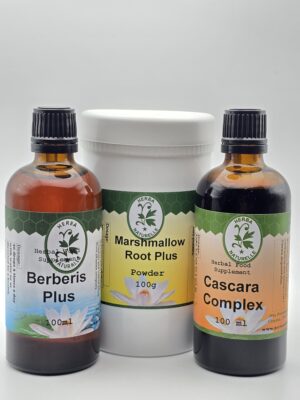 Digestive reset bundle
Original price was: £151.65.£144.95Current price is: £144.95.
Digestive reset bundle
Original price was: £151.65.£144.95Current price is: £144.95.
-
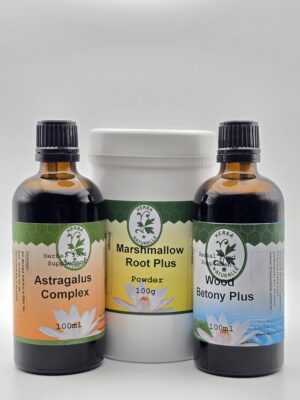 Smooth muscle and immune reset Bundle
Original price was: £177.60.£159.95Current price is: £159.95.
Smooth muscle and immune reset Bundle
Original price was: £177.60.£159.95Current price is: £159.95.
-
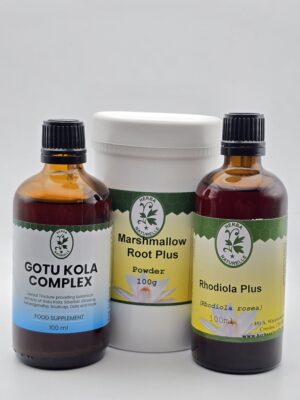 Nervous System Reset
Original price was: £163.68.£149.95Current price is: £149.95.
Nervous System Reset
Original price was: £163.68.£149.95Current price is: £149.95.
-
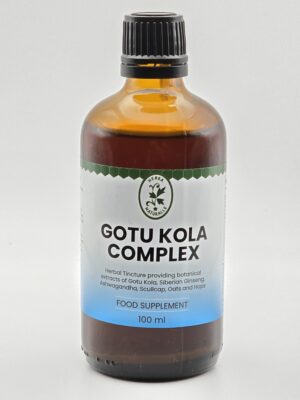 Gotu Kola Complex
£26.95
Gotu Kola Complex
£26.95