
Blood Pressure Range NHS: Understanding the Numbers and Categories
Blood pressure readings are expressed as two numbers, systolic over diastolic, measured in millimetres of mercury (mmHg). Understanding what these numbers mean, how the NHS categorises them, and what the different ranges indicate is the starting point for managing your cardiovascular health intelligently.
How Blood Pressure Is Measured
Systolic pressure (the top number) measures the force in your arteries when the heart contracts and pumps blood outward. It is always the higher of the two numbers.
Diastolic pressure (the bottom number) measures the pressure in your arteries between heartbeats, when the heart is relaxed and filling with blood.
A reading of 130/85 mmHg, for example, means a systolic pressure of 130 and a diastolic pressure of 85.
The NHS Blood Pressure Range Categories
The NHS uses the following ranges to classify blood pressure in adults:
Low blood pressure (hypotension): Below 90/60 mmHg. Many people with low blood pressure have no symptoms. Some experience dizziness, particularly on standing (orthostatic hypotension), light-headedness, or fainting. Low blood pressure is only treated if it is causing symptoms.
Ideal (optimal) blood pressure: 90/60 mmHg to 120/80 mmHg. This is the range associated with the lowest cardiovascular risk. It reflects a cardiovascular system that is functioning efficiently with appropriate arterial flexibility and cardiac output.
Normal to high normal: 120/80 mmHg to 139/89 mmHg. The NHS describes readings in this range as “normal” but at the upper end of normal. Previously called “pre-hypertension” in some guidelines, sustained readings in this range, particularly the upper end, are associated with a greater long-term risk of developing full hypertension and cardiovascular events than truly optimal readings.
High blood pressure, Stage 1 hypertension: 140/90 mmHg to 159/99 mmHg. This range requires active management. The NHS recommends lifestyle changes as first-line treatment for most people in Stage 1 hypertension. Medication may be added if lifestyle changes are insufficient or if other cardiovascular risk factors are present.
High blood pressure, Stage 2 hypertension: 160/100 mmHg and above. Medication is typically offered alongside lifestyle changes at this level. More frequent monitoring is recommended.
Hypertensive crisis: 180/120 mmHg or above. This represents a medical emergency, particularly if accompanied by symptoms such as severe headache, chest pain, shortness of breath, or visual disturbance. Seek emergency medical attention immediately.
Blood Pressure Ranges by Age
Blood pressure naturally tends to increase with age as arteries become less flexible. The NHS does not publish separate blood pressure targets for different age groups in most contexts, but the following patterns are relevant:
Under 40: Blood pressure at or above 140/90 mmHg is relatively uncommon in this age group. When present, secondary causes (kidney disease, hormonal conditions, medication effects) are more likely and should be investigated.
40–60: The NHS Health Check is offered to adults from age 40, and hypertension becomes increasingly common in this age range. Lifestyle factors are particularly modifiable at this life stage.
Over 60: Blood pressure is often elevated in this age group. For older adults (particularly those over 80), the NHS target is generally less than 150/90 mmHg rather than the standard 140/90 mmHg, recognising that very aggressive blood pressure reduction in older patients can cause harmful falls and dizziness.
Isolated Systolic Hypertension
In older adults, it is common for the systolic pressure to be elevated while the diastolic pressure remains normal or even low. This is called isolated systolic hypertension and reflects the reduced elasticity of the larger arteries with age (arteriosclerosis). It is an independent cardiovascular risk factor and is treated in the same way as standard hypertension.
Why a Single Reading Is Not Enough
Blood pressure fluctuates throughout the day and in response to:
- Physical activity
- Caffeine and food intake
- Stress and anxiety
- Sleep and waking
- Temperature
- Time of day (blood pressure is typically lowest in the early hours and rises sharply in the morning)
A single elevated reading in a clinic does not diagnose hypertension. The NHS recommends:
- At least two readings at each appointment
- Readings taken after five minutes of quiet sitting
- Confirmation over multiple appointments or through home monitoring (HBPM) before a diagnosis is made
The exception is very high single readings (above 180/120 mmHg with symptoms), which require immediate clinical attention.
A Herbalist’s View on Blood Pressure Ranges
At Herba Naturalle, understanding a person’s blood pressure range is a starting point, not an endpoint. The clinical question is always: what is driving the reading? Chronic stress, arterial inflammation, digestive burden, sleep disruption, and poor nutritional status all contribute to blood pressure readings across the range, and each requires its own targeted approach.
The Nervous System Reset Bundle addresses the chronic sympathetic activation that raises blood pressure. The Marshmallow Root Plus supports the smooth muscle lining of the blood vessels. The Berberis Plus supports the liver and digestive function that underpins cardiovascular health.
Read more at About Herbal Medicine or contact the clinic.
The Herba Naturalle 3-Step Bundle
The Herba Naturalle Bundle addresses blood pressure at its physiological root through three steps:
Step 1, Restore Digestion: Reducing digestive and hepatic (liver) burden lowers the inflammatory load that contributes to elevated blood pressure.
Step 2, Calm the Surface Nervous System: The Nervous System Reset directly reduces the sympathetic nervous system activation that drives blood pressure elevation.
Step 3, Heal the Smooth Muscle Lining: The Smooth Muscle and Immune Reset Bundle reduces chronic arterial wall inflammation, the structural root of hypertension in many people.
This article is for informational purposes only. Please consult your GP if your blood pressure is consistently above 140/90 mmHg or if you experience any symptoms associated with high or low blood pressure.
Our Trending Products & Bundles
-
 Digestive reset bundle
Original price was: £151.65.£144.95Current price is: £144.95.
Digestive reset bundle
Original price was: £151.65.£144.95Current price is: £144.95.
-
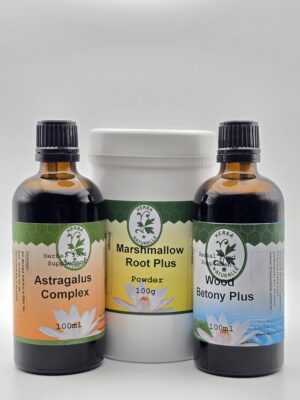 Smooth muscle and immune reset Bundle
Original price was: £177.60.£159.95Current price is: £159.95.
Smooth muscle and immune reset Bundle
Original price was: £177.60.£159.95Current price is: £159.95.
-
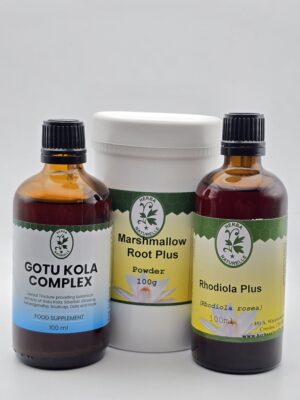 Nervous System Reset
Original price was: £163.68.£149.95Current price is: £149.95.
Nervous System Reset
Original price was: £163.68.£149.95Current price is: £149.95.
-
 Gotu Kola Complex
£26.95
Gotu Kola Complex
£26.95


About the Author

Holistic Herbalist in UK · 30 Years of Excellence at Croydon, GB
Angela Jegnathan brings over 30 years of experience in integrated medicine and more than 25 years of full-time clinical herbal practice. Specializing in holistic herbal medicine, she focuses on restoring digestive health, calming the nervous system, and supporting the body's natural inflammatory response through evidence-based, patient-centered care.
Expertise: Holistic Herbs, Natural Medicines, Herbal Health
30 years of experience
