
How to Lower Blood Pressure: NHS-Aligned Guidance and Natural Support
Lowering high blood pressure is one of the most impactful things you can do for your long-term health. Sustained hypertension is a major risk factor for heart attack, stroke, kidney disease, and vascular dementia, yet it is often manageable through a combination of lifestyle changes and, where appropriate, medical treatment. This article covers NHS-aligned strategies for lowering blood pressure naturally, alongside complementary herbal approaches.
What Is Considered High Blood Pressure?
The NHS defines high blood pressure (hypertension) as a consistent reading of 140/90 mmHg or above. Readings between 120/80 and 140/90 are considered elevated, and represent an important opportunity for lifestyle intervention before medication becomes necessary.
How Quickly Can Blood Pressure Be Lowered?
Some interventions, such as reducing salt intake and beginning regular exercise, can begin to show measurable improvements within days to weeks. Others, such as weight loss or alcohol reduction, take longer to produce meaningful effects. Dietary and lifestyle changes are cumulative: multiple modest improvements across several areas can add up to a clinically significant reduction in blood pressure over time.

Key NHS-Recommended Steps to Lower Blood Pressure
Cut Back on Salt
Reducing dietary sodium is one of the most direct and evidence-based ways to lower blood pressure. High sodium intake causes the kidneys to retain water, increasing blood volume and pressure. Even reducing from an average UK intake to the recommended 6g per day can lower systolic blood pressure by 2–8 mmHg.
Eat More Potassium-Rich Foods
Potassium helps counteract the blood pressure-raising effects of sodium. Foods naturally rich in potassium include bananas, avocados, sweet potatoes, spinach, beans, and lentils. Most people in the UK do not get enough potassium through diet.
Follow a Mediterranean or DASH Diet
Both the Mediterranean diet and the DASH (Dietary Approaches to Stop Hypertension) diet are strongly supported by evidence for lowering blood pressure. Core principles include: high intake of vegetables and fruit, whole grains, legumes, fish, nuts, and olive oil; reduced intake of processed foods, red meat, and saturated fat.
Exercise Regularly
Aerobic exercise lowers resting blood pressure by strengthening the heart, improving arterial flexibility, and reducing peripheral resistance. The NHS recommends 150 minutes of moderate activity per week. Activities particularly beneficial for blood pressure include brisk walking, cycling, swimming, and dancing.
Manage Stress Effectively
Chronic stress keeps the sympathetic nervous system in a state of sustained activation, which raises blood pressure. Effective approaches to stress management include mindfulness meditation, yoga, breathwork (particularly slow, diaphragmatic breathing), adequate rest, and reducing workload or commitments where possible.
Limit Alcohol
Alcohol raises blood pressure both acutely and chronically with regular heavy use. Limiting intake to within the NHS guidelines (14 units per week maximum) can produce meaningful reductions in blood pressure.
Quit Smoking
Smoking raises blood pressure temporarily with each cigarette and causes long-term damage to artery walls. Quitting smoking is one of the most impactful steps for cardiovascular health overall.
Maintain a Healthy Body Weight
Being overweight places increased demand on the heart and increases resistance in the vascular system. Even a 5% reduction in body weight can produce a clinically meaningful drop in blood pressure.
Limit Caffeine
For some people, caffeine can raise blood pressure acutely. While the evidence for long-term effects is mixed, reducing caffeine intake, particularly in the afternoon and evening, is a sensible measure for those with elevated blood pressure.
Breathing Exercises for Blood Pressure
One of the most accessible and immediate interventions for blood pressure is slow, controlled breathing. Research suggests that practising slow diaphragmatic breathing (inhaling for 4 counts, exhaling for 6 to 8 counts) for 10 minutes a day can produce reductions in systolic blood pressure of 3–8 mmHg over several weeks.

Herbal and Natural Supplements With Evidence for Blood Pressure
- Hibiscus tea, clinical trials have shown consistent reductions in systolic blood pressure with regular consumption
- Garlic extract, associated with modest blood pressure reductions in multiple studies
- Magnesium, supports vascular smooth muscle relaxation
- Coenzyme Q10 (CoQ10), some evidence for modest blood pressure reduction in hypertensive patients
- Omega-3 fatty acids, supports arterial flexibility and anti-inflammatory function
The Smooth Muscle Layer and Blood Pressure
Blood pressure is regulated in part by the smooth muscle that lines blood vessel walls. When this layer is chronically inflamed, blood vessels become less flexible and responsive, contributing to persistently elevated pressure.
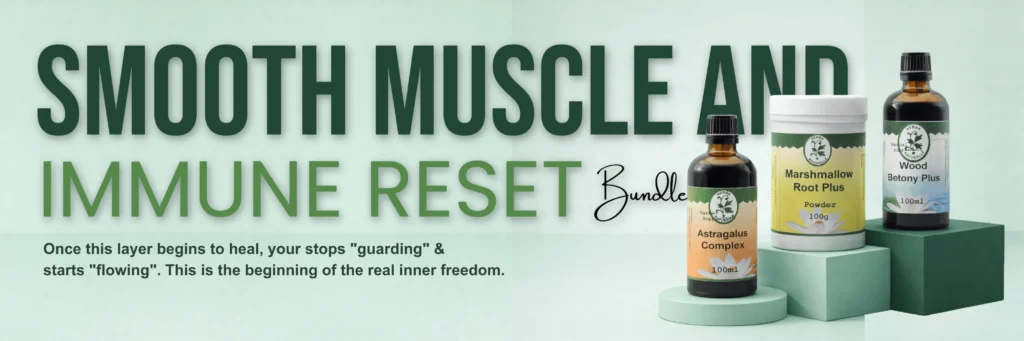
The smooth muscle and immune reset bundle at Herba Naturalle targets this layer directly, using a three-month herbal protocol to reduce inflammation and restore vascular tone. It forms Step 3 of the Anjela Method, which begins with digestive restoration and progresses through nervous system calming.
For a personalised conversation about whether herbal support is appropriate for your blood pressure concerns, you are welcome to get in touch via the contact page or review.

Support Your Body Naturally With Herba Naturalle
If any of the topics in this article resonate with you, the Herba Naturalle Bundle page offers a structured, three-step herbal protocol designed to address chronic illness at the root. The approach, developed over 30 years of clinical practice by Anjela Jeganathan, works across three healing layers:
- Step 1, Digestive Reset: Restore digestive rhythm, nutrient absorption, and healthy elimination
- Step 2, Surface Nervous System Reset: Calm inner restlessness, reduce stress reactivity, and settle the mind
- Step 3, Smooth Muscle & Immune Lining Healing: Reduce chronic inflammation in the tissue lining surrounding organs, blood vessels, and immune pathways
Explore the full protocol at the Herba Naturalle Bundle page and find the starting point that matches your body’s needs.
Have Questions? Get in Touch
If you would like personalised guidance or have questions about herbal support for your health, you are welcome to contact Anjela directly. She offers consultations tailored to your individual health needs.
Our Trending Products & Bundles
-
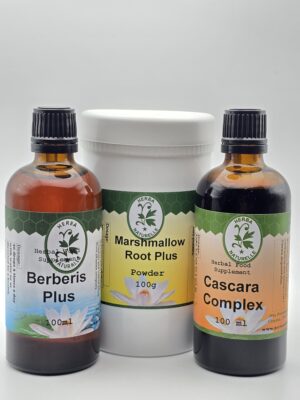 Digestive reset bundle
Original price was: £151.65.£144.95Current price is: £144.95.
Digestive reset bundle
Original price was: £151.65.£144.95Current price is: £144.95.
-
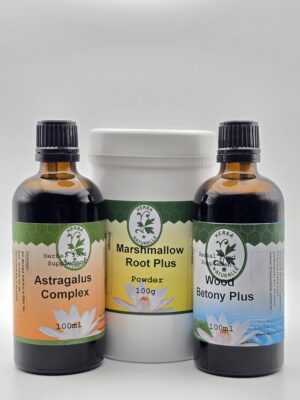 Smooth muscle and immune reset Bundle
Original price was: £177.60.£159.95Current price is: £159.95.
Smooth muscle and immune reset Bundle
Original price was: £177.60.£159.95Current price is: £159.95.
-
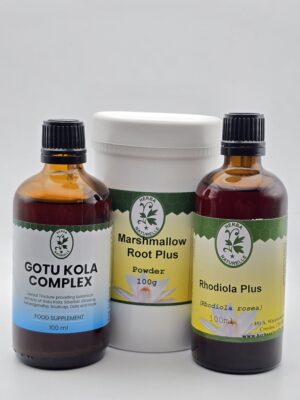 Nervous System Reset
Original price was: £163.68.£149.95Current price is: £149.95.
Nervous System Reset
Original price was: £163.68.£149.95Current price is: £149.95.
-
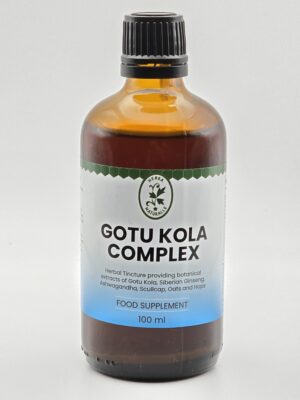 Gotu Kola Complex
£26.95
Gotu Kola Complex
£26.95