

Proven Turmeric and Black Pepper Benefits: What the Science Actually Shows
Turmeric and black pepper benefits are widely discussed, yet many claims online are incomplete or exaggerated. The combination is popular because black pepper contains piperine, which can improve the bioavailability of curcumin from turmeric. In this article we examine the real turmeric and black pepper benefits, the science behind the famous 2,000% figure, practical dosing, and important limitations.
Table of Contents
- Why Curcumin Needs Support for Better Absorption
- How Piperine Improves Turmeric and Black Pepper Benefits
- Key Turmeric and Black Pepper Benefits Supported by Research
- Clinical Dosing for Turmeric and Black Pepper Benefits
- Culinary Use Versus Therapeutic Use
- Safety of Turmeric and Black Pepper Benefits
- Frequently Asked Questions
- Final Thoughts
Why Curcumin Needs Support for Better Absorption
Curcumin is the main active compound in turmeric. It shows anti-inflammatory and antioxidant activity in research. However, curcumin is poorly absorbed on its own. The body breaks it down quickly in the gut and liver, so very little reaches the bloodstream.
This poor absorption is the main reason people look for turmeric and black pepper benefits. Without support, even high doses of plain turmeric often give limited results. You can read more about how herbal compounds are absorbed in our article on bioavailability of herbal medicine.
How Piperine Improves Turmeric and Black Pepper Benefits
Piperine is the active compound in black pepper. A 1998 human study found that 20 mg of piperine taken with 2 g of curcumin increased curcumin bioavailability by approximately 2,000%. Piperine slows the enzymes that normally break curcumin down, allowing more of it to stay in the blood longer.
Later studies have sometimes shown smaller effects, especially when free curcumin is measured with modern methods. Still, the combination clearly improves absorption compared to curcumin alone. This is the foundation of most turmeric and black pepper benefits discussed in research.
You can explore more about how herbs work together in our article on combining herbs.
Key Turmeric and Black Pepper Benefits Supported by Research
When absorption improves, several turmeric and black pepper benefits become more realistic.
Joint comfort and osteoarthritis
Several trials show that curcumin combined with piperine can reduce joint pain and improve function in people with knee osteoarthritis. Some studies found results similar to certain anti-inflammatory drugs in the short term. Related reading is available in our article on inflammation in muscles and joints.
Metabolic and inflammatory markers
Research on metabolic syndrome has shown improvements in triglycerides, HDL cholesterol and waist circumference with the combination. Anti-inflammatory markers also tend to improve more with turmeric and black pepper together than with turmeric alone. This connects with wider discussions on gut inflammation treatment.
Oxidative stress and antioxidant support
The combination has been shown to lower oxidative stress markers and support antioxidant enzymes in several clinical groups.
Digestion support
Both spices have traditional use for digestion. Some studies show modest improvements in post-meal blood sugar and feelings of fullness. Further reading is available on herbal medicine for digestive health and herbal medicine for IBS.
These turmeric and black pepper benefits are strongest when standardised extracts are used consistently.
Clinical Dosing for Turmeric and Black Pepper Benefits
| Form | Typical Daily Amount | Piperine Amount | Notes |
|---|---|---|---|
| Culinary turmeric powder | 1–3 g | Small pinch of black pepper | Good for daily food use |
| Standardised curcuminoids | 500–1,500 mg | 5–20 mg piperine | Most common therapeutic range |
| High-potency extracts | Varies | 5–15 mg BioPerine | Higher absorption, more caution needed |
A common ratio is roughly 50:1 to 100:1 (curcuminoids to piperine). Taking the combination with a little fat further improves absorption. More information on herbal preparation methods is available on the Herbs page and in the article on how bitter herbs work.
Culinary Use Versus Therapeutic Use
Adding black pepper to turmeric in cooking is a simple and traditional way to support absorption. However, food amounts are usually much lower than those used in clinical trials. Therapeutic turmeric and black pepper benefits for joint comfort or metabolic markers generally need consistent use of standardised extracts over several weeks.
This distinction is important when considering personalised support through a medical herbalist consultation.
Safety of Turmeric and Black Pepper Benefits
Culinary amounts are generally safe for most people. Higher-dose supplements need more care:
- High-absorption curcumin products have been linked to rare liver issues
- Piperine can affect how some medicines are metabolised
- High doses may cause mild digestive discomfort
- Pregnant women and people on blood-thinning medication should seek advice first
Professional guidance is recommended for therapeutic use. Full details are available on the Consultations and Fees page. You may also find the FAQ and Case Scenarios helpful.
Frequently Asked Questions
1. Does black pepper really increase turmeric absorption by 2,000%?
The original 1998 study reported this figure. Later studies have sometimes found smaller effects. The combination still improves absorption.
2. Can I just add black pepper to turmeric tea?
Yes. This helps absorption, though the effect is milder than with standardised supplements.
3. How long do turmeric and black pepper benefits take to appear?
Most joint and metabolic studies last 4–12 weeks.
4. Is long-term use safe?
Culinary use is fine for most people. Higher doses should be reviewed periodically.
5. Should I take them with food?
Yes. Fat in the meal further supports absorption.
6. Can this replace anti-inflammatory medication?
No. It may offer supportive benefits but is not a replacement for prescribed treatment.
Final Thoughts
Turmeric and black pepper benefits are one of the clearer examples of a traditional combination that has scientific support. Piperine improves curcumin availability, and research shows useful effects on joint comfort, inflammation markers and some metabolic parameters.
Results depend on dose, consistency and formulation. Culinary use is worthwhile for daily support. Stronger therapeutic goals usually need standardised extracts and professional guidance.
If you would like personalised advice on whether this combination suits your situation, you can explore the Consultations and Fees page. Related reading is also available on how herbal medicine works, adaptogens explained, nervous system chronic symptoms, chronic fatigue and brain fog, and the main homepage.
Our Trending Products & Bundles
-
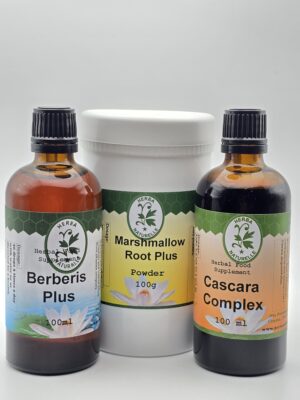 Digestive reset bundle
Original price was: £151.65.£144.95Current price is: £144.95.
-
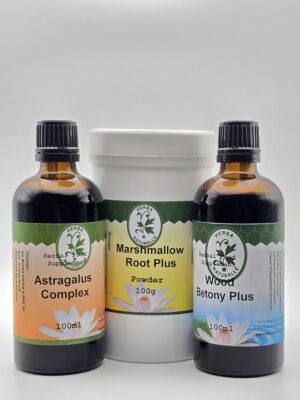 Smooth muscle and immune reset Bundle
Original price was: £177.60.£159.95Current price is: £159.95.
-
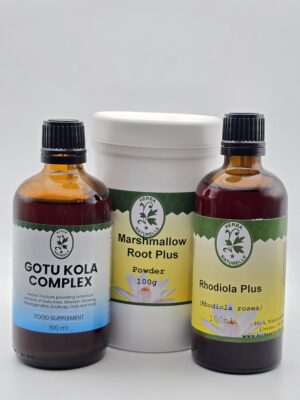 Nervous System Reset
Original price was: £163.68.£149.95Current price is: £149.95.
-
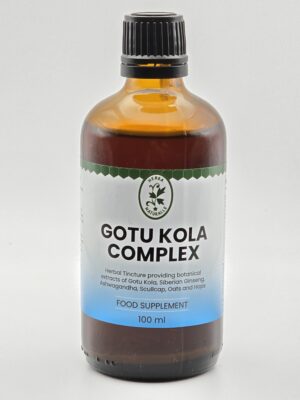 Gotu Kola Complex
£26.95


About the Author

Holistic Herbalist in UK · 30 Years of Excellence at Croydon, GB
Angela Jegnathan brings over 30 years of experience in integrated medicine and more than 25 years of full-time clinical herbal practice. Specializing in holistic herbal medicine, she focuses on restoring digestive health, calming the nervous system, and supporting the body's natural inflammatory response through evidence-based, patient-centered care.
Expertise: Holistic Herbs, Natural Medicines, Herbal Health
30 years of experience
