Natural Remedies for Low Libido in Women
Low libido is one of the most common complaints women quietly carry into a consultation, usually mentioned almost as an afterthought after everything else has been discussed, as though it matters less than sleep or digestion, when in reality it is often just as connected to the rest of a person’s health as either of those things. It rarely does exist in isolation. Natural remedies for low libido in women work best when they address the underlying pattern, whether that is hormonal, physical, emotional or some combination of all three, rather than treating desire as a switch that simply needs flipping back on. There is also a quiet relief many women feel simply from being asked about it directly, without judgement, since so few conversations, medical or otherwise, ever create space for this particular topic.
Libido Is Not a Single, Simple Thing
Sexual desire is influenced by an unusually wide range of factors: hormonal balance, energy levels, stress, sleep, relationship dynamics, body image, medication side effects and general physical health all play a role, sometimes simultaneously and sometimes in ways that are difficult to untangle from each other. This is precisely why low libido resists quick fixes, and why a herbalist will typically ask about far more than just the symptom itself before suggesting anything, since a low sex drive caused by exhaustion needs an entirely different approach than one caused by declining oestrogen or an underactive thyroid, even though both can present as the same outward complaint to someone experiencing it from the inside.
Hormonal Herbs Traditionally Used for Desire
Shatavari carries one of the longest traditional reputations in Ayurvedic medicine as a female reproductive and vitality tonic, historically associated with supporting healthy desire alongside broader hormonal balance, and it is often used as part of a wider tonic approach rather than in isolation. Damiana has a long traditional reputation as both a nervous system tonic and an aphrodisiac, used historically across Central America for exactly this complaint, valued for lifting mood and easing anxiety alongside its more specific traditional reputation. Dong quai, often used more broadly for hormonal balance, also carries a traditional association with supporting healthy circulation to the reproductive organs.
When Menopause Is the Underlying Driver
Declining oestrogen around perimenopause and menopause is one of the most common and least discussed causes of reduced libido, often accompanied by vaginal dryness that makes intimacy physically uncomfortable rather than simply less desired, a distinction that matters a great deal for treatment but is rarely made in casual conversation about the topic. Our article on herbal medicine for menopause addresses this hormonal picture in far more depth, and black cohosh, alongside sage leaf, are both worth understanding as part of a broader menopausal support plan that indirectly supports desire by easing the symptoms that get in its way.
Energy, Exhaustion and Desire
It is difficult to feel desire when the nervous system is running on empty, and this is one of the most common, least acknowledged reasons for reduced libido in women juggling work, family and everything in between, often mistaken for a relationship problem when it is really an exhaustion problem wearing a different mask. Ashwagandha root, a well studied adaptogen, has traditional and emerging research support relevant to both stress resilience and healthy libido specifically. Rhodiola works similarly, supporting the body’s capacity to recover from prolonged demand rather than simply pushing through it. Our article on herbal medicine for chronic fatigue and low energy is worth reading if exhaustion, rather than hormones specifically, seems to be the main driver in your case.
Stress Is a Libido Killer, Physiologically Speaking
Chronic stress diverts the body’s resources toward survival functions and away from anything considered non essential, and reproductive function, including desire, sits firmly in that deprioritised category during sustained stress, a fairly logical response from a body that has, biologically speaking, more pressing things to attend to. Our article on how chronic stress affects the body explains this mechanism clearly, and because poor sleep compounds the problem further, our evidence based guide to herbal medicine for sleep is a genuinely useful companion piece here.
The Thyroid and Wider Hormonal Picture
Thyroid dysfunction is another commonly overlooked contributor to low libido, since thyroid hormones influence virtually every other hormonal system in the body, often in ways that are only connected retrospectively once thyroid treatment begins and desire quietly returns alongside energy and mood. Our article on herbal medicine for thyroid health is worth reading if low libido is accompanied by fatigue, weight changes or mood shifts, and our broader overview of women’s health and herbal medicine ties these hormonal threads together for anyone trying to understand their own pattern more fully.
Circulation and Physical Wellbeing
Healthy blood flow matters for sexual arousal and desire in ways that are less discussed for women than for men, though the physiology is genuinely relevant to both. Regular movement supports circulation broadly, and for women whose libido concerns sit alongside other signs of poor circulation, such as consistently cold hands and feet, this is often a sign the same underlying pattern is affecting more than one area of the body at once, worth mentioning to your herbalist even if it seems unrelated at first glance. Alcohol, often reached for socially as something that lowers inhibition, actually depresses the nervous system in ways that reduce genuine arousal the more regularly it is used, which is a pattern worth noticing if a nightly drink has become part of the routine. Smoking similarly restricts the small blood vessels involved in arousal, adding another layer to an already complex picture that is rarely discussed openly.
The Body Image and Relationship Layer
Herbs address the physiological side of desire, but it would be dishonest to pretend that is the whole picture. Body confidence after significant life changes, whether childbirth, weight fluctuation or simply ageing, genuinely affects how desire is experienced, and this is worth naming rather than skipping past, since so much of the conversation around libido focuses on biology while quietly ignoring how someone feels about their own body in the first place. Relationship dynamics, resentment, unspoken tension, or simply not having had a proper conversation in months, also shape desire in ways no herb can fully address. A herbalist’s role here is not to replace couples counselling or personal reflection where that is needed, but to make sure the physical and hormonal foundations are as solid as possible, so that any remaining difficulty is easier to see clearly rather than being tangled up with exhaustion or hormonal imbalance.
A Realistic, Honest View
We want to be upfront: low libido can also stem from relationship factors, medication side effects, including many antidepressants and hormonal contraceptives, or underlying mental health conditions, and these deserve their own honest conversation rather than being treated purely as a herbal problem. If low libido appeared suddenly alongside a new medication, that connection is worth raising with the prescribing doctor directly, since adjusting or switching medication is sometimes a straightforward solution that no herb can substitute for. Herbal medicine works well as part of a broader picture that addresses hormones, energy and stress, but it works best alongside honest reflection on the other factors that might be contributing too.
Discuss Your Case With a Herbalist
Because low libido has so many possible underlying causes, a full consultation is the most reliable way to understand your specific pattern rather than guessing between the many possible explanations on your own. Learn more about our clinical approach, or read through our patient success stories to see how other women have approached this common, often unspoken complaint with proper, judgement free support. Desire tends to return, gradually and unremarkably, once the underlying imbalance behind its absence is properly addressed rather than simply pushed through.
Our Trending Products & Bundles
-
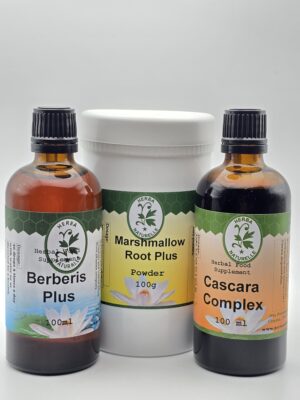 Digestive reset bundle
Original price was: £151.65.£144.95Current price is: £144.95.
Digestive reset bundle
Original price was: £151.65.£144.95Current price is: £144.95.
-
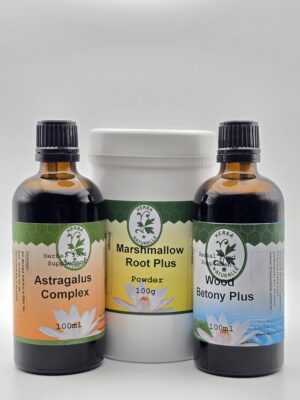 Smooth muscle and immune reset Bundle
Original price was: £177.60.£159.95Current price is: £159.95.
Smooth muscle and immune reset Bundle
Original price was: £177.60.£159.95Current price is: £159.95.
-
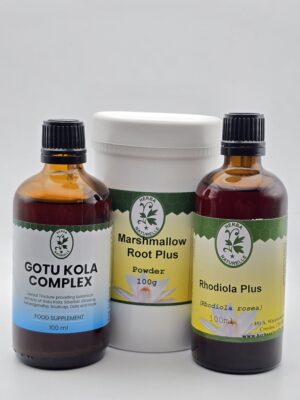 Nervous System Reset
Original price was: £163.68.£149.95Current price is: £149.95.
Nervous System Reset
Original price was: £163.68.£149.95Current price is: £149.95.
-
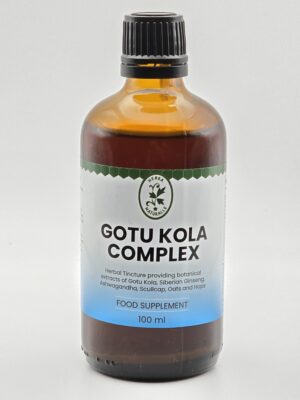 Gotu Kola Complex
£26.95
Gotu Kola Complex
£26.95

About the Author

Holistic Herbalist in UK · 30 Years of Excellence at Croydon, GB
Angela Jegnathan brings over 30 years of experience in integrated medicine and more than 25 years of full-time clinical herbal practice. Specializing in holistic herbal medicine, she focuses on restoring digestive health, calming the nervous system, and supporting the body's natural inflammatory response through evidence-based, patient-centered care.
Expertise: Holistic Herbs, Natural Medicines, Herbal Health
30 years of experience
