Oregon Grape Root (Berberis aquifolium): The Western Berberine Herb
Oregon Grape Root — Berberis aquifolium (also classified as Mahonia aquifolium) — is the North American counterpart to European Barberry, sharing much of the same berberine-rich chemistry while bringing its own particularly strong reputation in dermatological applications. Native to the Pacific Northwest, where its holly-like evergreen leaves and yellow flowers are a familiar woodland sight, Oregon Grape Root has become one of the most clinically validated herbal treatments for psoriasis — alongside its broader berberine-mediated liver, digestive, and antimicrobial applications.
At Herba Naturalle, Oregon Grape Root is listed in the comprehensive herb index alongside Barberry as a primary berberine-containing herb — relevant to the digestive support of the Berberis Plus.
Active Compounds
- Berberine — the primary isoquinoline alkaloid (shared with Barberry, Golden Seal, and Coptis); antimicrobial, anti-inflammatory, blood-glucose-lowering, and antiproliferative — the proliferative-cell-inhibiting action is particularly relevant to psoriasis
- Berbamine and oxyacanthine — related alkaloids contributing to the anti-inflammatory action
- Hydrastine-related compounds — minor contributors to the overall pharmacological profile
Clinical Evidence
A 12-week multicentre clinical trial published in a dermatology journal found that 10% Oregon Grape Root cream produced significant improvement in psoriasis severity, comparable to some conventional topical treatments, with a favourable side effect profile.
Clinical Applications
Psoriasis
The best-evidenced application. Berberine inhibits the excessive keratinocyte proliferation that characterises psoriatic plaques, while also providing anti-inflammatory and antimicrobial action on the skin surface. Topical Oregon Grape cream is one of the most evidence-supported natural treatments for mild-to-moderate psoriasis.
Liver and Digestive Support
As with Barberry, the berberine content stimulates bile production, supports liver detoxification, and provides antimicrobial activity against gut pathogens including H. pylori. Complementary to the Berberis Plus and Digestive Reset Bundle.
Eczema and Other Skin Conditions
The anti-inflammatory and antimicrobial properties extend to other inflammatory skin conditions, particularly where bacterial or fungal overgrowth complicates the presentation.
Blood Sugar Regulation
Berberine’s well-documented AMPK-activating mechanism provides meaningful blood-glucose-lowering effects, shared across all berberine-containing herbs.
Relevant Blog Posts
- Stop the Inflammation Pandemic: The Digestive System (Part 1)
- Stop the Inflammation Pandemic: Digestive System (Part 2)
- Stop the Inflammation Pandemic – The Lymphatic System
- Inflammation in Muscles and Joints: The Hidden Link to Autoimmunity
- Welcome to the Final Episode of the Inflammation Pandemic Series
How to Use
- Topical cream (10%): Applied twice daily to psoriatic plaques
- Tincture (1:3): 2–4ml three times daily for internal digestive and liver support
- Allow 8–12 weeks for full skin benefit
Safety
- Pregnancy: Contraindicated — berberine has uterotonic activity
- Newborns and infants: Avoid — berberine can cause neonatal jaundice
- Blood glucose medication: Monitor for enhanced hypoglycaemic effect
- Anticoagulants: Mild interaction — professional guidance
Contact Herba Naturalle for skin and digestive herbal support. Browse all products and the full herb index.
This article is for informational purposes only. Please consult a qualified medical herbalist before use.
Our Trending Products & Bundles
-
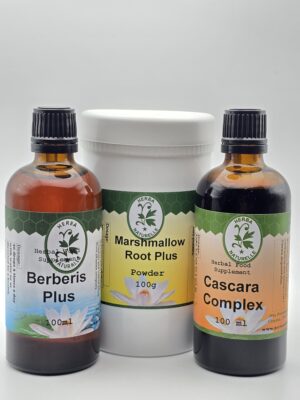 Digestive reset bundle
Original price was: £151.65.£144.95Current price is: £144.95.
Digestive reset bundle
Original price was: £151.65.£144.95Current price is: £144.95.
-
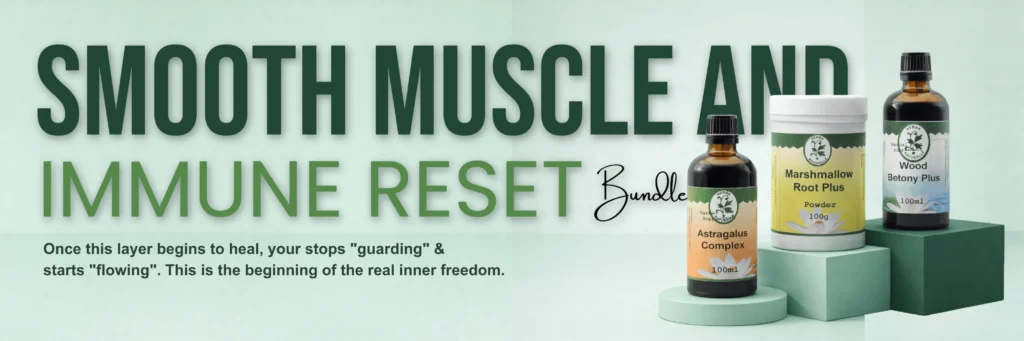
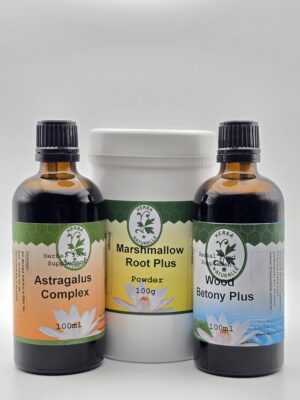 Smooth muscle and immune reset Bundle
Original price was: £177.60.£159.95Current price is: £159.95.
Smooth muscle and immune reset Bundle
Original price was: £177.60.£159.95Current price is: £159.95.
-
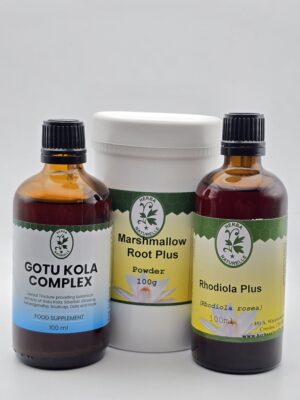 Nervous System Reset
Original price was: £163.68.£149.95Current price is: £149.95.
Nervous System Reset
Original price was: £163.68.£149.95Current price is: £149.95.
-
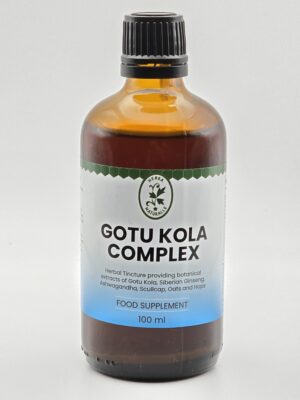 Gotu Kola Complex
£26.95
Gotu Kola Complex
£26.95

About the Author

Holistic Herbalist in UK · 30 Years of Excellence at Croydon, GB
Angela Jegnathan brings over 30 years of experience in integrated medicine and more than 25 years of full-time clinical herbal practice. Specializing in holistic herbal medicine, she focuses on restoring digestive health, calming the nervous system, and supporting the body's natural inflammatory response through evidence-based, patient-centered care.
Expertise: Holistic Herbs, Natural Medicines, Herbal Health
30 years of experience
