Wormwood Herb (Artemisia absinthium): The Ultimate Bitter Tonic
Wormwood — Artemisia absinthium — is one of the most intensely bitter herbs in the entire Western materia medica, its name absinthium deriving from the Greek “without delight” — a reference to its profound bitterness. It is the primary herb in absinthe (the high-alcohol spirit banned in much of Europe for over a century due to its thujone content — though the actual toxicity is now understood to have been primarily from the alcohol rather than the thujone). In clinical herbal medicine, Wormwood is valued precisely for its extraordinary bitterness — as a digestive stimulant and bitter tonic of the highest order.
At Herba Naturalle, Wormwood is listed in the comprehensive herb index as a specialist digestive bitter and antiparasitic herb — used judiciously and with appropriate professional guidance.
Active Compounds
- Sesquiterpene lactones (absinthin, artabsin) — among the most intensely bitter natural compounds known; the primary digestive bitter tonic compounds; anti-inflammatory and antiparasitic
- Volatile oil (thujone dominant) — the compound that gave Wormwood its neurotoxic reputation; at therapeutic doses provides carminative and antiparasitic activity; at high doses neurotoxic
- Flavonoids — quercetin and related compounds; anti-inflammatory
- Organic acids — contributing to the overall bitter tonic action
Clinical Applications
Digestive Bitter and Appetite Stimulant
The primary evidence-based application. Absinthin and artabsin are among the most potent bitter receptor stimulants known — a tiny amount produces enormous digestive secretion stimulation. Used for severe lack of appetite, digestive debility, and dyspepsia in the most depleted, cold, sluggish presentations.
Intestinal Parasites and Dysbiosis
The combination of thujone volatile oil and sesquiterpene lactones provides significant antiparasitic activity — used in parasite cleanse protocols alongside Black Walnut and Clove (the classic “Hulda Clark” trio, though always under qualified supervision).
Liver and Biliary Support
The bitter compounds stimulate bile production and liver function — making Wormwood a potent choleretic herb for the most sluggish hepatobiliary presentations.
Relevant Blog Posts
- Stop the Inflammation Pandemic: The Digestive System (Part 1)
- Stop the Inflammation Pandemic: Digestive System (Part 2)
- Stop the Inflammation Pandemic – The Lymphatic System
- Inflammation in Muscles and Joints: The Hidden Link to Autoimmunity
- Welcome to the Final Episode of the Inflammation Pandemic Series
Safety
- Pregnancy: Absolutely contraindicated — thujone is a potent uterotonic abortifacient
- Epilepsy: Thujone has proconvulsant potential — strictly avoid in epilepsy
- Duration: Not suitable for prolonged daily use — short courses only (maximum 4 weeks)
- Liver disease: Avoid — the volatile oil requires hepatic metabolism
- Children: Contraindicated
- Professional guidance required for all internal therapeutic use due to the thujone content
Contact Herba Naturalle for digestive herbal support. Browse all products and the full herb index.
This article is for informational purposes only. Wormwood should only be used under qualified professional supervision.
Our Trending Products & Bundles
-
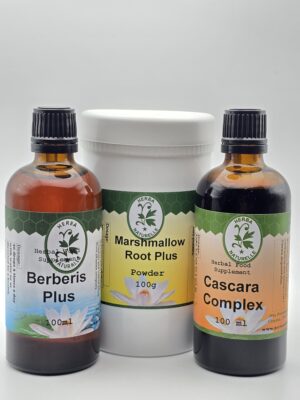 Digestive reset bundle
Original price was: £151.65.£144.95Current price is: £144.95.
Digestive reset bundle
Original price was: £151.65.£144.95Current price is: £144.95.
-
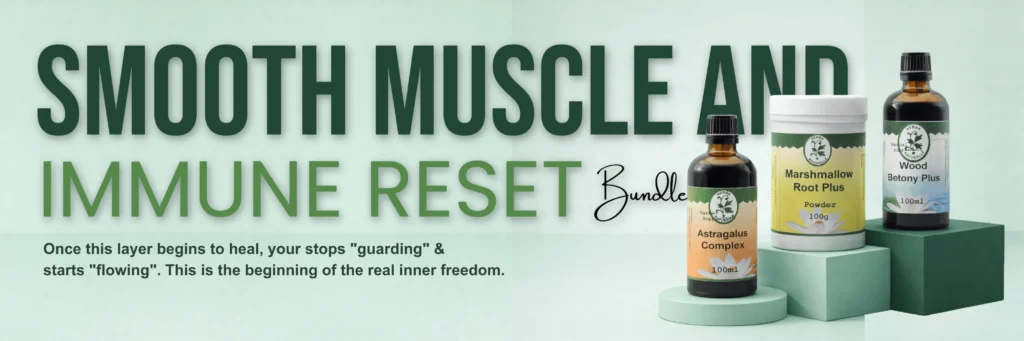
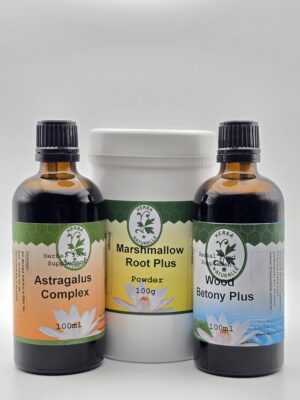 Smooth muscle and immune reset Bundle
Original price was: £177.60.£159.95Current price is: £159.95.
Smooth muscle and immune reset Bundle
Original price was: £177.60.£159.95Current price is: £159.95.
-
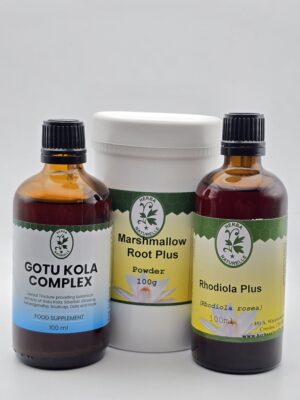 Nervous System Reset
Original price was: £163.68.£149.95Current price is: £149.95.
Nervous System Reset
Original price was: £163.68.£149.95Current price is: £149.95.
-
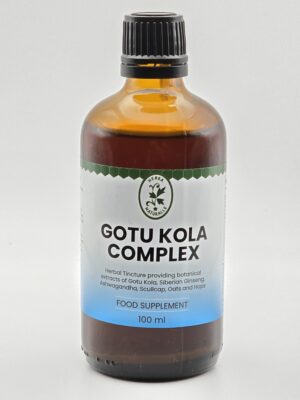 Gotu Kola Complex
£26.95
Gotu Kola Complex
£26.95

About the Author

Holistic Herbalist in UK · 30 Years of Excellence at Croydon, GB
Angela Jegnathan brings over 30 years of experience in integrated medicine and more than 25 years of full-time clinical herbal practice. Specializing in holistic herbal medicine, she focuses on restoring digestive health, calming the nervous system, and supporting the body's natural inflammatory response through evidence-based, patient-centered care.
Expertise: Holistic Herbs, Natural Medicines, Herbal Health
30 years of experience
