
Natural Remedies for Anaemia and Low Iron
The tiredness that comes with low iron has a particular flavour to it, a heaviness that doesn’t lift with sleep, paired with a paleness that other people sometimes notice before you do. It’s often dismissed for months, put down to stress or a busy patch, before bloodwork finally confirms what the body had been signalling all along. Natural remedies for anaemia and low iron is a search that usually follows that confirmation, once someone has a diagnosis and wants to know what actually helps beyond a standard iron tablet that, for many people, causes uncomfortable digestive side effects.
Why Iron Deficiency Happens
Iron is essential for producing haemoglobin, the protein in red blood cells that carries oxygen around the body, which is exactly why low iron produces such a broad, non-specific kind of fatigue, since oxygen delivery to every tissue is affected. Common causes include heavy menstrual periods, pregnancy, poor dietary intake, and reduced absorption due to digestive issues, and identifying which of these applies to you matters considerably more than simply reaching for a supplement, since the right approach differs depending on the underlying cause.
If heavy periods are part of your picture, our related guide to herbal support for heavy or irregular periods covers that connection specifically, since the two conditions frequently occur together and addressing the bleeding pattern is often just as important as addressing the iron level itself.
Pregnancy Increases Iron Needs Considerably
Pregnancy substantially increases the body’s iron requirements, since blood volume expands significantly and the growing baby also draws on maternal iron stores. This is exactly why iron levels are routinely checked throughout pregnancy, and why many of the gentler herbs discussed here are worth knowing about for anyone finding standard iron tablets difficult to tolerate during this already demanding time, though as always in pregnancy, anything new should be checked with a midwife or qualified herbalist first given the additional safety considerations involved.
Herbs Traditionally Used to Support Iron Levels
Yellow Dock Root has one of the longest standing reputations in herbal medicine specifically for its role in supporting healthy iron levels, sometimes described simply as the iron rich liver herb. It’s traditionally used precisely because it tends to be gentler on the digestive system than many standard iron supplements, which cause constipation and stomach discomfort for a significant number of people.
Nettle Leaf is another genuinely useful option, providing iron alongside a broad range of other minerals and vitamins in a naturally occurring, food-like form that the body often tolerates and absorbs comfortably as a simple daily tea.
Alfalfa Leaf rounds out this trio of nutrient dense herbs, offering iron alongside chlorophyll and a wide spectrum of vitamins that support overall nutritional status rather than iron in isolation.
Absorption Matters as Much as Intake
This is the part that gets missed most often. It doesn’t matter how much iron rich food or herbal support you take in if your digestive system isn’t absorbing it properly. Vitamin C significantly enhances iron absorption when eaten alongside iron rich foods, which is part of why a glass of orange juice with an iron rich meal is a genuinely sensible, evidence backed habit rather than an old wives’ tale. Conversely, tea and coffee taken close to meals can meaningfully reduce iron absorption, so spacing them away from iron rich meals is worth doing if your levels are already low.
Our overview of gut and digestive health explains the digestive process behind nutrient absorption more fully, and it’s worth reading if you suspect your iron deficiency might be linked to an underlying digestive issue rather than diet alone. Our related piece on 10 signs of an unhealthy gut is also worth checking, since poor gut health can quietly undermine nutrient absorption for months before anyone thinks to connect the two.
The Fatigue Connection Worth Understanding
Low iron and fatigue are so closely linked that it’s worth reading our fuller guides on the topic if tiredness has become a defining feature of your day to day life. Our piece on natural remedies for nail and hair health covers a related pattern, since brittle nails and thinning hair are frequently an early external sign of exactly the iron deficiency being discussed here. If your fatigue has followed a recent illness rather than building gradually, our guide to herbal support for post viral fatigue may be more directly relevant, and our broader piece on herbal medicine for chronic fatigue and low energy covers fatigue as a standalone clinical picture more generally.
Different Types of Anaemia Need Different Approaches
It’s worth being clear that not all anaemia is iron deficiency anaemia, even though it’s the most common type. Vitamin B12 and folate deficiency can also cause anaemia, with a somewhat different symptom picture and requiring different correction than iron alone, which is another reason proper bloodwork matters more than simply assuming iron is always the answer. Certain chronic conditions and inherited blood disorders can also present with anaemia-like symptoms, and ruling these out properly, rather than assuming diet alone explains persistent fatigue, is a genuinely important part of getting this right.
Vegetarian and Vegan Diets Need Extra Attention
Plant based diets can absolutely provide adequate iron, but non-haem iron, the type found in plant foods, is generally less readily absorbed by the body than the haem iron found in meat. This doesn’t mean vegetarians and vegans are destined to be iron deficient, but it does mean paying closer attention to iron rich plant foods, pairing them consistently with vitamin C, and considering periodic bloodwork to catch any developing deficiency early, particularly for women who are also losing iron monthly through menstruation.
Why Bloodwork Matters More Than Guesswork
It’s worth being direct about something here. Fatigue has dozens of possible causes, and assuming low iron without confirming it through bloodwork risks missing the actual cause of your symptoms, or worse, missing a more significant underlying reason for iron loss, such as a digestive condition causing chronic blood loss that needs proper medical investigation. Our guide to the full body MOT blood test explains what’s typically tested and is a sensible first step before assuming any particular remedy will help.
A Case Worth Sharing
A woman in her late thirties came to clinic exhausted, having been told by her GP that her iron was “borderline low” but not low enough to warrant treatment through conventional channels. Standard iron tablets had caused significant constipation when tried previously, leading her to stop after a few days. A plan built around Yellow Dock Root and Nettle Leaf taken consistently, alongside a conscious effort to pair iron rich meals with vitamin C and separate them from her usual mid-meal cup of tea, brought a noticeable improvement in her energy within about six weeks, confirmed by a follow up blood test showing her iron levels had genuinely improved, without any of the digestive discomfort she’d experienced before.
Building a Plan That Actually Corrects the Deficiency
If you suspect low iron is behind your fatigue, or you already have a diagnosis and want a gentler approach than standard supplementation, a proper case history helps confirm the actual cause and the most appropriate way to correct it for your specific situation, rather than assuming one standard approach fits everyone equally well.
If you suspect low iron is behind your fatigue, or you already have a diagnosis and want a gentler approach than standard supplementation, you can book a consultation or book an appointment online. The full herb directory has more detail on every herb mentioned here, our About Herbal Medicine page explains the reasoning behind this approach, and our homepage has the full picture of how the clinic works.
Low iron is one of the more genuinely correctable causes of fatigue, provided the underlying cause is properly identified and the right, well tolerated approach is used consistently over a period of weeks rather than days.
Why Some People Struggle to Correct Iron Levels Despite Trying
If iron levels stay stubbornly low despite genuine dietary and herbal effort, it’s worth considering whether an underlying digestive condition affecting absorption, such as coeliac disease or chronic gut inflammation, might be quietly limiting how much iron actually gets absorbed regardless of intake. This is exactly the kind of pattern where working with a herbalist alongside your GP, rather than persisting with the same approach indefinitely, tends to uncover what’s actually been getting in the way.
Our Trending Products & Bundles
-
 Digestive reset bundle
Original price was: £151.65.£144.95Current price is: £144.95.
-
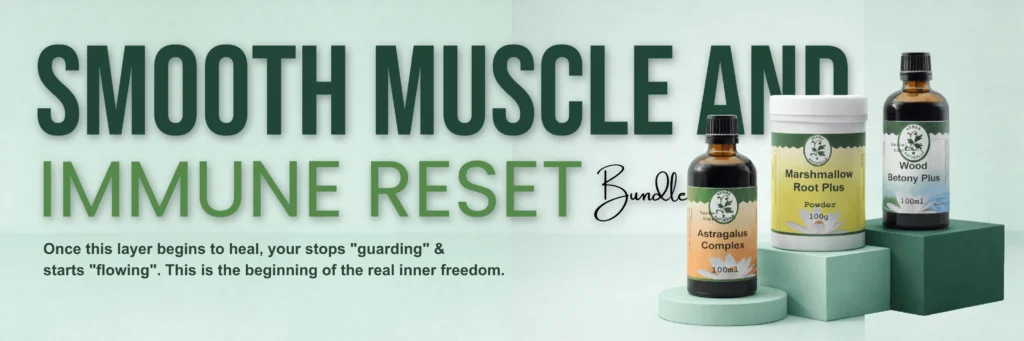
 Smooth muscle and immune reset Bundle
Original price was: £177.60.£159.95Current price is: £159.95.
-
 Nervous System Reset
Original price was: £163.68.£149.95Current price is: £149.95.
-
 Gotu Kola Complex
£26.95

About the Author

Holistic Herbalist in UK · 30 Years of Excellence at Croydon, GB
Angela Jegnathan brings over 30 years of experience in integrated medicine and more than 25 years of full-time clinical herbal practice. Specializing in holistic herbal medicine, she focuses on restoring digestive health, calming the nervous system, and supporting the body's natural inflammatory response through evidence-based, patient-centered care.
Expertise: Holistic Herbs, Natural Medicines, Herbal Health
30 years of experience
