Eyebright Herb (Euphrasia officinalis): The Eye and Sinus Herb
Eyebright — Euphrasia officinalis — is a small, semi-parasitic annual herb found on upland meadows, grassy slopes, and heath across Britain. Its tiny, delicately patterned flowers — white with purple veins and a yellow spot, said to resemble an eye — gave it both its common name and its defining traditional application: the relief of eye irritation and inflammation. Used since at least the medieval period specifically for eye conditions, Eyebright has been confirmed by modern research to have genuine anti-inflammatory and astringent activity in the mucous membranes of the eyes, nose, and sinuses.
At Herba Naturalle, Eyebright is listed in the comprehensive herb index as the primary herb for ocular and upper respiratory mucous membrane inflammation — used alongside the Elderflower Complex for seasonal immune and sinus support.
Active Compounds
- Iridoid glycosides — aucubin (the primary iridoid); anti-inflammatory and hepatoprotective
- Flavonoids — quercetin, luteolin, and rutin; mast-cell-stabilising (reducing histamine release), anti-inflammatory, and antioxidant
- Tannins — astringent action on mucous membranes — reducing secretion and tightening tissue
- Caffeic acid derivatives — anti-inflammatory
- Lignans — with anti-inflammatory and antioxidant properties
Clinical Applications
Eye Irritation and Conjunctivitis
The most specific and traditional application. Both internally (as tea or tincture) and externally (as an eye wash from a carefully prepared, sterile infusion), Eyebright reduces the redness, itching, and excessive secretion of:
- Allergic conjunctivitis (hay fever eyes) — quercetin and rutin stabilise mast cells, reducing histamine-driven inflammation
- Catarrhal conjunctivitis — the astringent tannins reduce excessive secretion
- Blepharitis — inflammation of the eyelids
- Computer eye strain with dryness and irritation
Important note on eye washes: Only properly prepared, sterile, appropriately diluted Eyebright preparations should be used directly in the eyes — always under professional guidance. Internal use (tea/tincture) is safer for home use and provides systemic anti-inflammatory benefit.
Hay Fever and Allergic Rhinitis
The flavonoid-mediated mast-cell-stabilising action reduces the histamine cascade of hay fever — directly addressing itchy eyes, runny nose, and sneezing. Used alongside the Elderflower Complex for comprehensive seasonal allergy support.
Sinusitis and Nasal Catarrh
The astringent tannins and anti-inflammatory flavonoids reduce excessive mucus production in the sinuses and nasal passages — providing relief in both acute sinusitis and chronic catarrhal states.
Upper Respiratory Catarrh
For the persistent nasal discharge, post-nasal drip, and mucous congestion of chronic catarrhal conditions — Eyebright’s drying and toning action on the mucous membranes is specifically applicable.
How to Use
- Tea (internal — the safest home preparation): 2g dried herb steeped 10 minutes; 3 cups daily during hay fever season or acute conjunctivitis
- Tincture (1:3): 2–4ml three times daily
- Eye wash (only with professional guidance and sterile preparation): A very carefully prepared, double-boiled, sterile, well-diluted infusion — not a simple home tea preparation
Safety
- Well tolerated at therapeutic doses
- Eye preparations: Require rigorous sterility — inadequate preparation risks introducing infection; strongly recommend professional guidance for topical ocular use
- Pregnancy: Avoid therapeutic doses
- Dry eye conditions: The astringent action may worsen dry eye — avoid in very dry eye presentations
Contact Herba Naturalle for seasonal immune and eye herbal support. Browse all products, the full herb index, and the herbal medicine philosophy.
This article is for informational purposes only. Please consult a qualified medical herbalist before use.
Our Trending Products & Bundles
-
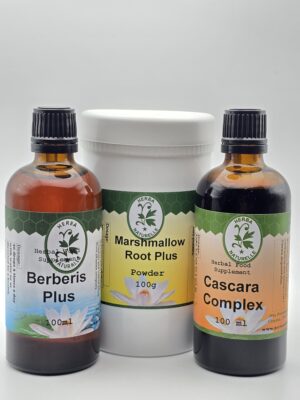 Digestive reset bundle
Original price was: £151.65.£144.95Current price is: £144.95.
Digestive reset bundle
Original price was: £151.65.£144.95Current price is: £144.95.
-
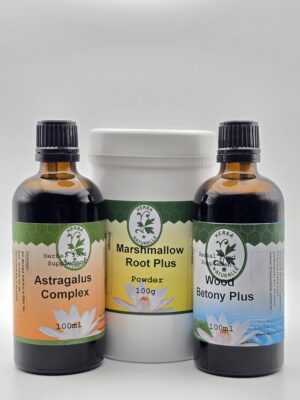 Smooth muscle and immune reset Bundle
Original price was: £177.60.£159.95Current price is: £159.95.
Smooth muscle and immune reset Bundle
Original price was: £177.60.£159.95Current price is: £159.95.
-
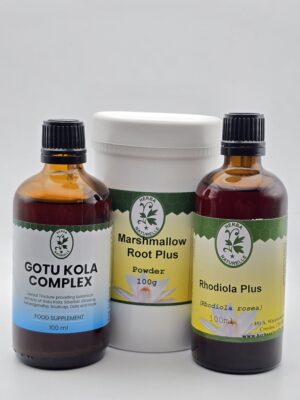 Nervous System Reset
Original price was: £163.68.£149.95Current price is: £149.95.
Nervous System Reset
Original price was: £163.68.£149.95Current price is: £149.95.
-
 Gotu Kola Complex
£26.95
Gotu Kola Complex
£26.95