Herbal Medicine vs Pharmaceutical Medicine: An Honest Comparison
By Anjela Jeganathan – Medical Herbalist | Herba Naturalle
The comparison between herbal and pharmaceutical medicine is often framed as a choice between the natural and the scientific a framing that serves neither discipline well. The more useful question is not “which is better?” but “which is better for what, in whom, and at which stage of their health journey?”
The Same Starting Point, Different Paths
Many pharmaceutical drugs originate from plants. Aspirin was developed from salicylates first found in Meadowsweet and Willow Bark. The cardiac medication digoxin comes from Foxglove. Morphine is derived from the Opium Poppy. The malaria drug artemisinin was isolated from Sweet Wormwood. In each case, a plant compound was identified, isolated, and synthesised producing a more potent, standardised, and patentable product.
This process gains some things and loses others. Isolation produces a more concentrated, predictable effect and also removes the buffering, modulating compounds that the whole plant contains. Pharmaceutical aspirin is more powerfully analgesic than Meadowsweet tea, but Meadowsweet tea contains flavonoids that protect the gastric mucosa which aspirin erodes. This is not coincidence. It is the integrated intelligence of a whole plant preparation.
Mechanisms of Action
Pharmaceutical drugs typically act through a single, highly specific mechanism blocking a receptor, inhibiting an enzyme, displacing a competing compound. This specificity is their strength in acute situations and produces the reliable, measurable effects that clinical trials can capture.
Herbal medicines typically act through multiple simultaneous mechanisms. Turmeric, for example, simultaneously inhibits NF-κB, COX-2, 5-LOX, TNF-alpha, and IL-6 a breadth of anti-inflammatory action that no single pharmaceutical anti-inflammatory replicates. Chamomile combines GABA-A receptor activity, anti-inflammatory flavonoids, antispasmodic volatile oils, and mild antimicrobial activity in a single cup of tea. The clinical relevance of this multi-mechanism action in complex, chronic, multi-system conditions is significant as explored in our post on chamomile and valerian for anxiety and sleep.
Evidence Bases
Pharmaceutical medicines are evaluated through large randomised controlled trials that are excellent at establishing single-mechanism efficacy under controlled conditions. These trials are expensive, and their funding is commercially driven meaning that whole-plant preparations, which cannot be patented, are rarely subjected to the same scale of trialling.
This does not mean herbal medicine lacks evidence. It means the evidence base takes different forms: traditional use documentation spanning centuries, growing pharmacological research, and an increasing number of clinical trials. The evidence for Valerian in insomnia, Saw Palmetto in BPH, St. John’s Wort in mild-to-moderate depression, and Rose Hip in osteoarthritis is substantial and Cochrane-reviewed.
Side Effects and Tolerability
The side effect profile of pharmaceutical drugs is a significant reason people seek alternatives. Long-term use of NSAIDs causes GI damage. Statins cause muscle pain in a meaningful percentage of users. Long-term proton pump inhibitor use impairs B12 and magnesium absorption. The cardiac and mental health risks of many sleeping medications are well documented.
This is not an argument against pharmaceutical medicine it is an honest acknowledgement that pharmaceutical efficacy often comes with a cost, and that for chronic conditions where long-term use is anticipated, the cumulative cost warrants careful consideration. Our article on heart-healthy dietary approaches and cholesterol management illustrates how lifestyle and nutritional approaches can meaningfully reduce cardiovascular risk in ways that complement or reduce reliance on medication.
When Each Approach Is Most Appropriate
Pharmaceutical medicine excels in acute, life-threatening, or precisely pathological situations acute infection requiring antibiotics, myocardial infarction requiring thrombolytics, insulin-dependent diabetes, epilepsy. In these contexts, the precision, potency, and immediacy of pharmaceutical drugs is irreplaceable.
Herbal medicine excels in chronic, functional, and multi-system presentations IBS, anxiety, hormonal imbalance, fatigue, inflammatory conditions, and the management of metabolic health risk before it becomes frank disease. Our post on visceral fat and its hidden impact on organ health illustrates a condition where lifestyle and herbal intervention, rather than medication, is most appropriate in earlier stages.
The most clinically sophisticated approach is not to choose one system over the other, but to understand the genuine strengths of each and to use the most appropriate tool for each situation.
This article is for educational purposes only. Always consult your GP before making changes to prescribed medication.
Our Trending Products & Bundles
-
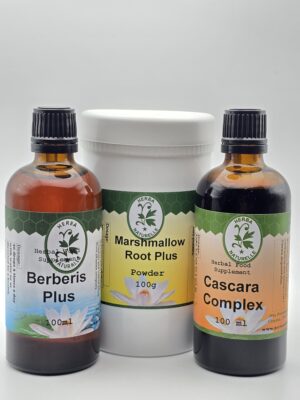 Digestive reset bundle
Original price was: £151.65.£144.95Current price is: £144.95.
Digestive reset bundle
Original price was: £151.65.£144.95Current price is: £144.95.
-
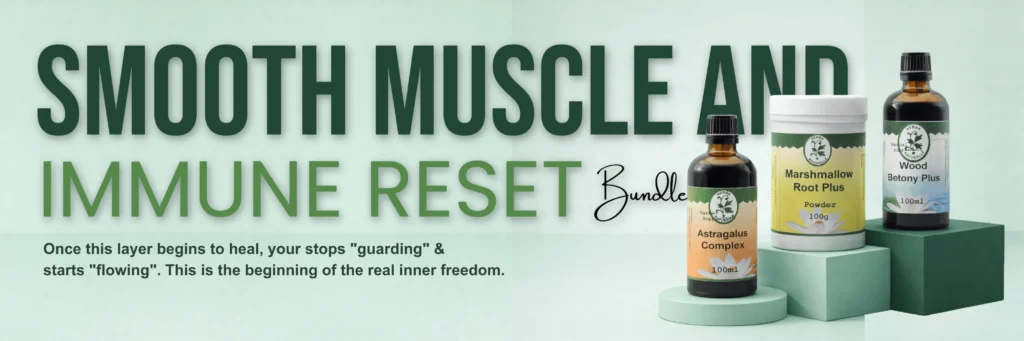
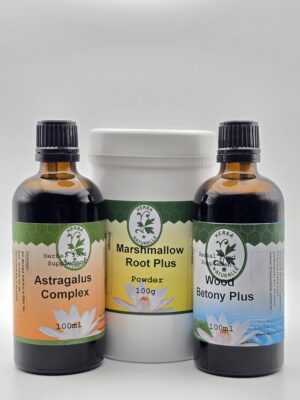 Smooth muscle and immune reset Bundle
Original price was: £177.60.£159.95Current price is: £159.95.
Smooth muscle and immune reset Bundle
Original price was: £177.60.£159.95Current price is: £159.95.
-
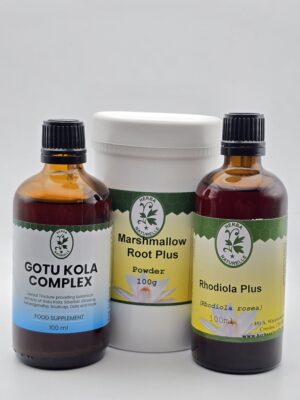 Nervous System Reset
Original price was: £163.68.£149.95Current price is: £149.95.
Nervous System Reset
Original price was: £163.68.£149.95Current price is: £149.95.
-
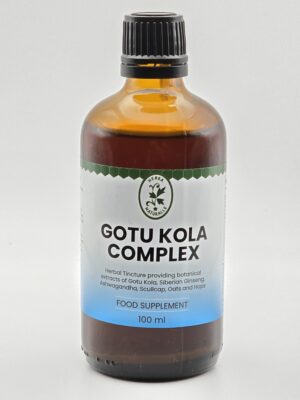 Gotu Kola Complex
£26.95
Gotu Kola Complex
£26.95

About the Author

Holistic Herbalist in UK · 30 Years of Excellence at Croydon, GB
Angela Jegnathan brings over 30 years of experience in integrated medicine and more than 25 years of full-time clinical herbal practice. Specializing in holistic herbal medicine, she focuses on restoring digestive health, calming the nervous system, and supporting the body's natural inflammatory response through evidence-based, patient-centered care.
Expertise: Holistic Herbs, Natural Medicines, Herbal Health
30 years of experience
