
Centaury Herb (Erythraea centaurium): The Pure Digestive Bitter
By Anjela Jeganathan – Holistic Medical Herbalist | Herba Naturalle
Centaury — Erythraea centaurium (also Centaurium erythraea) — is a delicate annual with small pink-red flowers, found on dry grasslands and coastal cliffs across Britain and Europe. Its name, from legend, derives from the centaur Chiron who used it to heal a wound — a mythological reflection of the herb’s long-standing reputation as a powerful healer. In terms of its clinical character, Centaury is one of the purest and most classic digestive bitters in the European materia medica — used almost exclusively for its bitter-stimulating action on the digestive system.
At Herba Naturalle, Centaury is listed in the comprehensive herb index alongside the great European digestive bitters — Gentian Root, Dandelion Root, and Bogbean — as a herb of elegant simplicity and clinical reliability.
Active Compounds
- Secoiridoid bitter glycosides — swertiamarin, gentiopicroside, and centapicrin; the primary active compounds responsible for the intense bitter taste and the stimulation of digestive secretions via bitter receptors in the mouth and stomach
- Alkaloids — gentianine and related pyridine alkaloids
- Phenolic acids — caffeic acid and related compounds
- Flavonoids — with mild antioxidant contribution
The Bitter Principle: How Centaury Works
Bitter taste receptors (T2R family) in the mouth and gastrointestinal tract respond to Centaury’s bitter compounds by triggering a cascade of digestive secretions: increased saliva, increased gastric acid production, increased bile production and flow, and increased pancreatic enzyme secretion. The net effect is significantly improved digestive efficiency — better breakdown of proteins and fats, reduced bloating and gas, and improved nutrient absorption. This is why bitter herbs taken before meals are more effective than those taken after.
Clinical Applications
Dyspepsia and Indigestion
The primary application. Centaury is used for all forms of functional indigestion characterised by insufficient digestive secretion — bloating after meals, sense of fullness, nausea, flatulence, and slow digestion. German Commission E has approved Centaury for dyspeptic complaints and loss of appetite. The Berberis Plus provides additional digestive bitter and bile-stimulating support.
Anorexia and Weak Appetite
As a pure bitter tonic, Centaury stimulates appetite in conditions of poor appetite — useful in convalescence, debility, and eating disorder recovery.
Liver Tonic
The bitter stimulation extends to the liver — increasing bile production and supporting hepatic function as a gentle tonic. The Digestive Reset Bundle provides the broader digestive programme.
Fever
Traditional use as a febrifuge — the bitter glycosides have mild antipyretic activity, and the overall tonic action supports recovery from febrile illness.
How to Use
- Tea: 1–2g dried herb steeped 10 minutes; drink unsweetened (adding sugar reduces the bitter-receptor stimulation) 20–30 minutes before meals
- Tincture (1:3): 1–3ml three times daily before meals
- The bitter taste IS the medicine — resist adding honey or sugar
⚠ Safety Considerations
- Extremely well tolerated — one of the safest herbs in the European materia medica
- Peptic ulcer disease: The stimulation of gastric acid may worsen active peptic ulcers — use with caution
- Pregnancy: Best avoided in therapeutic doses due to general caution with bitter stimulants
Browse the Herba Naturalle herb index and the herbal medicine philosophy. For digestive herbal support, contact the clinic. The full product range is available online.
This article is for informational purposes only. Please consult a qualified medical herbalist before use.
Our Trending Products & Bundles
-
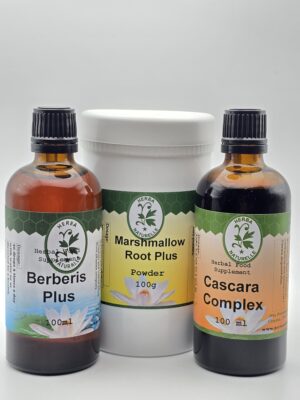 Digestive reset bundle
Original price was: £151.65.£144.95Current price is: £144.95.
Digestive reset bundle
Original price was: £151.65.£144.95Current price is: £144.95.
-
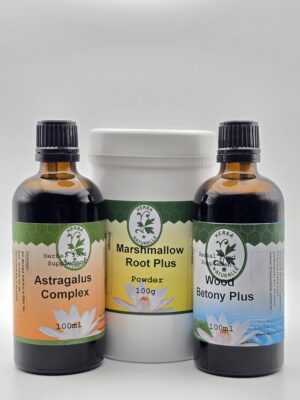 Smooth muscle and immune reset Bundle
Original price was: £177.60.£159.95Current price is: £159.95.
Smooth muscle and immune reset Bundle
Original price was: £177.60.£159.95Current price is: £159.95.
-
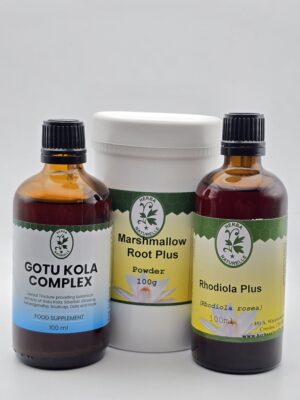 Nervous System Reset
Original price was: £163.68.£149.95Current price is: £149.95.
Nervous System Reset
Original price was: £163.68.£149.95Current price is: £149.95.
-
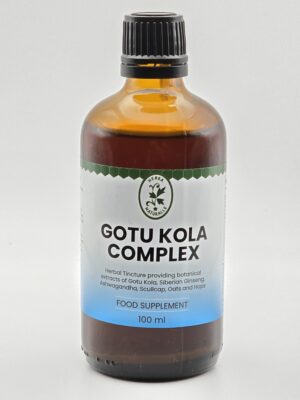 Gotu Kola Complex
£26.95
Gotu Kola Complex
£26.95