
Natural Remedies for Nausea and Morning Sickness: Safe Herbal Options
For something so common, morning sickness is remarkably badly named. It rarely stays politely confined to the morning, and for a significant number of women it lasts well beyond the first trimester, sometimes through the whole pregnancy. Searching for natural remedies for nausea and morning sickness is usually less about wanting to avoid medication on principle, and more about genuinely not wanting to take anything unnecessary while pregnant, if there’s a gentler option that actually works.
This article covers what herbal medicine can realistically offer, and just as importantly, what to avoid entirely, because pregnancy is one of the few areas in herbal medicine where the safety conversation matters more than the remedy itself.
Why Pregnancy Changes Every Recommendation
There’s also a strong emotional dimension to this that’s easy to overlook. Many women feel guilty for wanting relief at all, as though wishing away nausea somehow means wishing away part of the pregnancy itself, which simply isn’t true. Wanting to feel functional enough to eat, work and enjoy the early weeks of pregnancy is a completely reasonable thing to want, and it’s worth saying that plainly before diving into the practical options.
Many herbs that are perfectly safe for general use are contraindicated in pregnancy, either because they stimulate the uterus, affect hormone pathways, or simply haven’t been studied enough in pregnant populations to say they’re safe with confidence. This is exactly the reasoning behind why a qualified herbalist will always take a full case history before recommending anything to someone who’s pregnant, rather than working from a generic list. If you’re considering herbal support during pregnancy for any reason, it’s worth reading our overview of women’s health and herbal medicine first, since it sets out the broader principles herbalists apply to hormonal life stages.
The Herbs Most Commonly Used
Peppermint Leaf is one of the most clinically validated digestive herbs available, and its calming effect on the digestive tract makes it a frequent first choice for nausea, whether taken as a tea or, for some people, simply inhaled as an essential oil. It’s generally well tolerated, though some women find peppermint aggravates reflux, which is common in later pregnancy, so it’s worth trialling cautiously rather than assuming it will suit everyone.
Chamomile has a long history of gentle digestive and nervous system support, and our piece on chamomile tea benefits covers its broader actions in more detail. Because anxiety can worsen nausea considerably, and nausea can worsen anxiety in turn, chamomile’s calming effect often helps indirectly as much as it does directly on the stomach itself.
Fennel Seed is a traditional carminative, meaning it helps ease trapped gas and general digestive discomfort, both of which frequently accompany nausea in early pregnancy. It’s a gentle herb with a long history of food use as well as medicinal use, which reassures many women who are understandably cautious about anything unfamiliar during pregnancy.
Herbs That Soothe Rather Than Stimulate
Where nausea comes with a raw, irritated feeling in the stomach, demulcent herbs, meaning herbs that coat and soothe mucous membranes, tend to work well. Marshmallow Root is the classic example, forming a soothing mucilage that calms an irritated gut lining. Slippery Elm works on a similar principle and is particularly useful where nausea sits alongside general digestive sensitivity rather than appearing as an isolated symptom.
A Word on Ginger, Raspberry Leaf and What to Be Careful With
Raspberry Leaf is widely known as a pregnancy herb, but it’s specifically used in the later stages of pregnancy to tone the uterus in preparation for labour, not for nausea, and using it too early is generally advised against. Our full profile on Raspberry Leaf explains the correct timing and reasoning behind this, which illustrates a wider point worth taking seriously: a herb being “known as a pregnancy herb” doesn’t mean it’s appropriate for every stage or every symptom of pregnancy.
This is also why several herbs commonly used for nausea outside of pregnancy, particularly stronger bitters and certain essential oils, are simply left out of any pregnancy safe list altogether. If in doubt, the safest approach is always to check with a qualified herbalist or your midwife before trying anything new, rather than assuming “natural” automatically means “safe in pregnancy”.
When Nausea Points to Something Else
Persistent nausea alongside other digestive symptoms occasionally has a cause unrelated to pregnancy hormones, and it’s worth ruling out other explanations rather than assuming pregnancy is automatically the cause if nausea is unusually severe or accompanied by other red flag symptoms. Our guides to gastroenteritis symptoms and bloating, trapped wind and constipation cover some of the more common alternative explanations, and our broader herbal medicine for digestive health overview is worth reading if digestive symptoms feel like the bigger underlying picture.
Severe Nausea Needs Medical Attention, Not Just Herbs
Hyperemesis gravidarum, a severe form of pregnancy sickness involving persistent vomiting, dehydration and weight loss, is a medical condition that requires proper medical management, not herbal remedies alone. If nausea is preventing you from keeping fluids or food down, that’s a conversation for your midwife or GP first, with herbal support considered afterwards as a complementary measure rather than the primary treatment.
Timing and Practical Habits That Help Almost as Much as the Herbs Themselves
How and when you eat often matters as much as what you take for it. An empty stomach tends to worsen nausea considerably, which is why many women find that a plain cracker or a small piece of toast eaten before even getting out of bed makes a real difference before the day has properly started. Small, frequent meals throughout the day, rather than three larger ones, keep blood sugar steadier and tend to reduce the peaks and troughs that seem to trigger nausea in many women.
Cold or room temperature foods are often better tolerated than hot meals, since strong cooking smells are a common nausea trigger in early pregnancy. Sipping fluids slowly throughout the day, rather than drinking a large glass in one go, also tends to sit better, and ginger biscuits, plain and without strong flavourings, are a genuinely useful, food based option alongside any herbal tea.
A Case From Clinic
A woman in her first pregnancy came to clinic at around nine weeks, struggling with nausea from waking until roughly midday most days, unable to face breakfast and finding work difficult as a result. A simple plan built around peppermint tea sipped slowly through the morning, small starchy snacks kept by the bed, and fennel tea after meals to ease the bloating that had been compounding things, brought noticeable relief within about a week. It wasn’t gone entirely, and it didn’t need to be. Going from unable to function most mornings to manageable and back at work was, for her, a genuinely life changing shift.
Building a Gentle, Realistic Approach
Most women find relief comes from a combination of small, frequent meals, good hydration, rest where possible, and one or two well chosen herbs rather than a long list of remedies taken all at once. Simplicity tends to work better than complexity here, both because pregnancy already involves enough decisions, and because a gentler approach is generally the safer one.
If you’d like a proper, individualised recommendation rather than a generic list, you can book a consultation or book an appointment online, and we’ll take your full history, including your stage of pregnancy, before suggesting anything. The herb directory has more detail on every herb mentioned here, our About Herbal Medicine page explains the clinical approach behind these recommendations, and our homepage has the full picture of how the clinic supports women through pregnancy.
Morning sickness is exhausting to live with, and it deserves a considered, individualised response rather than a one size fits all remedy. Herbal medicine has a real place in that response, used carefully and with proper guidance.
A Final Word on Patience
Nausea in pregnancy tends to follow its own timeline, easing for most women by the end of the first trimester, though not for everyone, and not always in a straight line. There will be good days and worse days regardless of what’s tried, and it’s worth being kind to yourself through that unpredictability rather than assuming any single remedy has failed simply because one afternoon feels worse than the day before. Small, consistent habits, gentle herbs used appropriately, and proper guidance where anything feels uncertain, together make this stretch of pregnancy considerably more bearable than trying to push through it alone.
Our Trending Products & Bundles
-
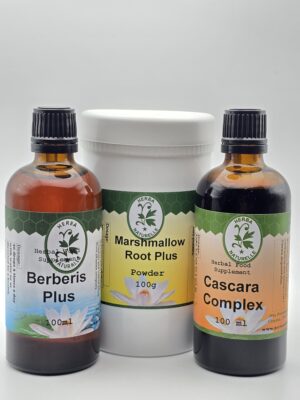 Digestive reset bundle
Original price was: £151.65.£144.95Current price is: £144.95.
Digestive reset bundle
Original price was: £151.65.£144.95Current price is: £144.95.
-
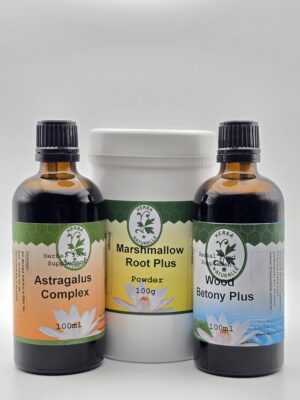 Smooth muscle and immune reset Bundle
Original price was: £177.60.£159.95Current price is: £159.95.
Smooth muscle and immune reset Bundle
Original price was: £177.60.£159.95Current price is: £159.95.
-
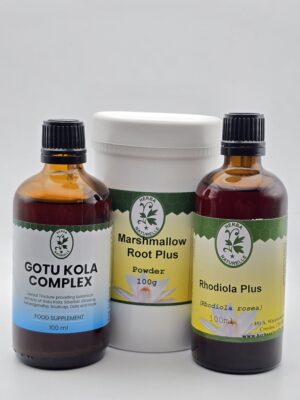 Nervous System Reset
Original price was: £163.68.£149.95Current price is: £149.95.
Nervous System Reset
Original price was: £163.68.£149.95Current price is: £149.95.
-
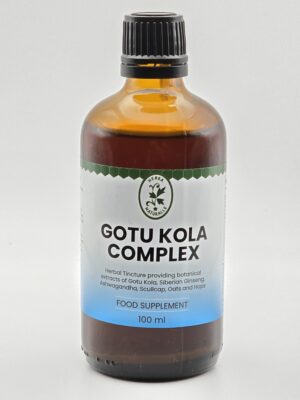 Gotu Kola Complex
£26.95
Gotu Kola Complex
£26.95


About the Author

Holistic Herbalist in UK · 30 Years of Excellence at Croydon, GB
Angela Jegnathan brings over 30 years of experience in integrated medicine and more than 25 years of full-time clinical herbal practice. Specializing in holistic herbal medicine, she focuses on restoring digestive health, calming the nervous system, and supporting the body's natural inflammatory response through evidence-based, patient-centered care.
Expertise: Holistic Herbs, Natural Medicines, Herbal Health
30 years of experience
