Natural Remedies for Mouth Ulcers and Cold Sores
They’re both small, both painful out of all proportion to their size, and both have a habit of appearing at exactly the worst possible moment, right before an important meeting or a first date. Mouth ulcers and cold sores are frequently confused with one another despite being entirely different conditions, and natural remedies for mouth ulcers and cold sores brings people to clinic wanting relief for whichever one keeps recurring, along with a genuine answer for why it keeps coming back at all.
Hormonal Fluctuation as a Trigger
Some women notice mouth ulcers appearing in a pattern that tracks their menstrual cycle, suggesting a hormonal component to their particular pattern of recurrence. If this sounds familiar, it’s worth keeping a simple note of timing over a couple of cycles, since recognising a cyclical pattern can meaningfully change the approach, shifting focus toward broader hormonal balance rather than treating each ulcer as an isolated, unrelated event.
Minor Injury as an Overlooked Trigger
Accidentally biting the inside of the cheek, a sharp edge on a broken tooth, or braces rubbing against the gum can all trigger mouth ulcers at the site of minor trauma, entirely separate from any underlying stress or nutritional pattern. If ulcers consistently appear in the same spot, it’s worth checking whether a simple mechanical cause, rather than anything more systemic, might be the actual explanation.
Two Different Conditions, Often Confused
Mouth ulcers, sometimes called canker sores, appear inside the mouth, on the cheeks, gums or tongue, and aren’t caused by a virus, more often linked to minor injury, stress, certain foods, or nutritional deficiencies. Cold sores, by contrast, appear on or around the lips and are caused by the herpes simplex virus, which stays dormant in the body between outbreaks and gets reactivated by triggers like stress, illness, sun exposure or a weakened immune response. Because the underlying causes differ so much, the most effective herbal approach genuinely differs between the two as well.
Toothpaste and Mouth Care Products Can Be a Hidden Trigger
Sodium lauryl sulphate, a foaming agent found in many common toothpastes, has been linked in some research to an increased frequency of mouth ulcers in people prone to them. Switching to a toothpaste without this ingredient is a simple, low cost experiment worth trying for anyone dealing with recurring ulcers that haven’t responded well to other changes, since it’s an easily overlooked, entirely fixable trigger hiding in plain sight in the bathroom cabinet.
Herbs for Soothing and Healing Mouth Ulcers
Slippery Elm is a demulcent herb, meaning it forms a soothing, protective coating over irritated tissue, which makes it particularly useful applied directly to a mouth ulcer to ease pain while it heals. Licorice, covered in our profile of Glycyrrhiza glabra, has a genuine traditional and research supported reputation for supporting healing of mouth ulcers specifically, sometimes used as a mouth rinse made from the dissolved root.
Marigold Flower, better known as Calendula, has a long history as a mucous membrane healer, and its gentle, anti-inflammatory action makes it well suited to the delicate tissue inside the mouth.
Herbs for Cold Sore Outbreaks Specifically
Lemon Balm is genuinely one of the better researched herbs for cold sores specifically, with a documented antiviral action against the herpes simplex virus that causes them. Applied as a cream at the very first tingle of an oncoming cold sore, before the visible blister even appears, it can meaningfully shorten the outbreak and reduce its severity, which is a rare example of a herbal remedy with reasonably direct evidence behind its specific use.
Myrrh has an ancient reputation as an antiseptic, traditionally applied to wounds and sores including cold sores, supporting healing while helping to keep the area clean during the most vulnerable, weeping stage of an outbreak.
Echinacea works from a different angle, supporting the immune response that keeps the dormant virus in check between outbreaks, and it’s often used at the first sign of an oncoming outbreak, or during periods of known immune vulnerability like an approaching cold or high stress period.
Foods and Habits Worth Being Aware Of
Certain acidic or rough textured foods, citrus fruit, crisps, and very hot food or drinks, can trigger or worsen mouth ulcers in people prone to them, and it’s worth paying attention to whether a particular food consistently precedes a flare rather than assuming outbreaks are entirely random. For cold sores, sun exposure to the lips is a well recognised trigger, and a lip balm containing sun protection is a genuinely simple, often overlooked preventive step for anyone whose outbreaks seem to follow sunny days or skiing trips.
Why Stress Is Such a Reliable Trigger for Both
It’s genuinely striking how often both mouth ulcers and cold sores flare during periods of high stress, and there’s a real physiological explanation behind that pattern rather than it simply being coincidence. Stress measurably suppresses immune function, which both reduces the body’s ability to keep the herpes virus dormant and appears to make the mouth’s mucous membranes more prone to minor ulceration. How chronic stress affects the body explains this connection properly, and addressing underlying stress is genuinely one of the more effective long term strategies for reducing how often either condition recurs.
The Gut Connection With Recurring Mouth Ulcers
Recurring mouth ulcers specifically are sometimes linked to nutritional deficiencies, particularly in B vitamins, iron and folate, or to underlying digestive conditions affecting nutrient absorption. Our piece on 10 signs of an unhealthy gut is worth reading if mouth ulcers are a recurring, rather than occasional, problem for you, since gut health is a genuinely overlooked factor behind persistent cases.
Calming the Underlying Inflammatory Pattern
Both conditions involve a local inflammatory response, and our broader piece on understanding inflammation as a root driver of chronic disease is a useful, wider read for anyone dealing with either condition on a recurring basis rather than as an occasional, isolated event. Turmeric, with its well documented anti-inflammatory action, is sometimes included where recurring ulcers seem tied to a broader pattern of systemic inflammation rather than an isolated, occasional irritation.
A Case Worth Sharing
A woman in her thirties came to clinic with cold sores that recurred almost monthly, always coinciding with periods of high work stress, alongside occasional mouth ulcers she’d assumed were unrelated. A plan combining Lemon Balm cream kept on hand for the first sign of a cold sore, Echinacea used preventatively during particularly stressful weeks, and dietary attention to B vitamin rich foods for the mouth ulcers led to a noticeable reduction in frequency for both conditions over the following few months, alongside a genuinely useful realisation about just how closely her stress levels and outbreaks were connected.
Building a Plan for Fewer, Milder Outbreaks
If mouth ulcers or cold sores are a recurring problem for you rather than an occasional nuisance, a proper case history can help identify what’s actually driving the pattern. You can book a consultation or book an appointment online. The full herb directory has more detail on every herb mentioned here, our About Herbal Medicine page explains the clinical reasoning behind this approach, and our homepage has everything else you need to know about how the clinic works.
Neither condition is dangerous, but both are disproportionately disruptive for something so small, and most people find genuine, lasting improvement once the actual trigger pattern behind their outbreaks is properly identified.
When Either Condition Warrants a Closer Look
Most mouth ulcers heal within one to two weeks and most cold sores clear within a similar window, and it’s worth knowing that anything lasting significantly longer than that, or appearing in an unusual location or with an unusual appearance, deserves a proper look from a GP or dentist rather than assuming it’s simply a stubborn version of the usual pattern.
A Final Thought on Patience With Recurring Cases
Recurring mouth ulcers and cold sores rarely resolve after a single successful outbreak treated well, since the underlying trigger, whether stress, nutritional or hormonal, usually needs several months of consistent attention before recurrence frequency genuinely drops. Staying consistent with whichever approach you choose, rather than switching after just one or two outbreaks, tends to give a far more accurate sense of what’s actually working.
That kind of patience is genuinely worth extending to yourself, especially given how long these small but painful patterns can take to fully settle.
Our Trending Products & Bundles
-
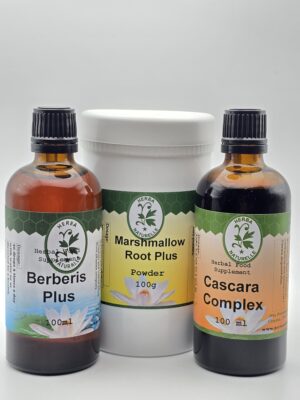 Digestive reset bundle
Original price was: £151.65.£144.95Current price is: £144.95.
Digestive reset bundle
Original price was: £151.65.£144.95Current price is: £144.95.
-
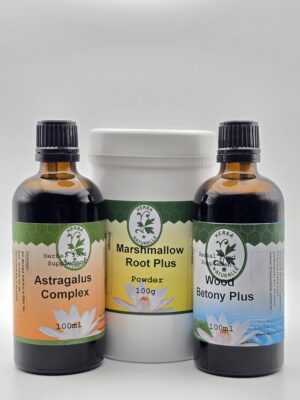 Smooth muscle and immune reset Bundle
Original price was: £177.60.£159.95Current price is: £159.95.
Smooth muscle and immune reset Bundle
Original price was: £177.60.£159.95Current price is: £159.95.
-
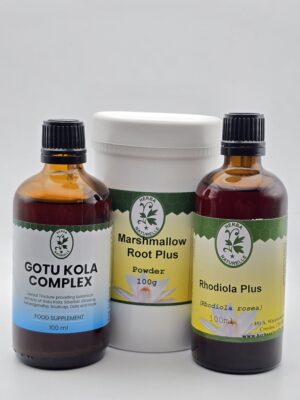 Nervous System Reset
Original price was: £163.68.£149.95Current price is: £149.95.
Nervous System Reset
Original price was: £163.68.£149.95Current price is: £149.95.
-
 Gotu Kola Complex
£26.95
Gotu Kola Complex
£26.95

About the Author

Holistic Herbalist in UK · 30 Years of Excellence at Croydon, GB
Angela Jegnathan brings over 30 years of experience in integrated medicine and more than 25 years of full-time clinical herbal practice. Specializing in holistic herbal medicine, she focuses on restoring digestive health, calming the nervous system, and supporting the body's natural inflammatory response through evidence-based, patient-centered care.
Expertise: Holistic Herbs, Natural Medicines, Herbal Health
30 years of experience
