Glycyrrhiza glabra: Uses, Active Compounds, Benefits and Safety
Glycyrrhiza glabra, commonly known as licorice or liquorice root, is one of the most thoroughly documented medicinal plants in the history of human medicine. Ancient Egyptian papyri, Assyrian clay tablets, Chinese pharmacopoeias, Ayurvedic texts, Greek medical literature, and Roman natural history all record its uses — making it one of the very few herbs that has been in continuous documented clinical use for over 4,000 years across four major medical civilisations simultaneously.
Today, Glycyrrhiza glabra is the third most widely used herb in the world by volume, and among the most extensively researched, with thousands of peer-reviewed studies examining its phytochemistry, pharmacology, and clinical applications. Its uses span gut healing, adrenal support, respiratory medicine, antiviral activity, liver protection, hormonal modulation, and skin care.
This article provides the most comprehensive clinical guide to Glycyrrhiza glabra uses available, covering its botanical identity, traditional uses across medical systems, active compounds and their mechanisms, evidence-based clinical applications, dosage, and the critical safety information needed for responsible use.
Botanical Identity and Traditional Names
Scientific name: Glycyrrhiza glabra L. Family: Fabaceae (Leguminosae) Common names: Licorice, Liquorice, Sweet Root, Licorice Root Ayurvedic name: Yashtimadhu (“sweet stick”) Traditional Chinese Medicine name: Gan Cao (“sweet herb”), one of the 50 fundamental herbs in TCM Other names: Réglisse (French), Süssholz (German), Regaliz (Spanish)
Glycyrrhiza glabra is a perennial herb native to the Mediterranean region, Central Asia, and Southern Russia. It grows to approximately 1 metre in height with pinnate leaves and pale purple to violet flowers. The medicinally active part is the root and rhizome, harvested in autumn from plants at least 3–4 years old.
The name Glycyrrhiza derives from the Greek glykys (sweet) and rhiza (root), a reference to glycyrrhizin, the compound that makes licorice root 50 times sweeter than sucrose.
Traditional Uses of Glycyrrhiza glabra Across Medical Systems
Ancient Egyptian and Assyrian Medicine
Among the oldest documented Glycyrrhiza glabra uses are those recorded in the Ebers Papyrus (c.1550 BCE), where licorice is listed as an ingredient in compound preparations for digestive complaints, cough, and fever. Licorice root was found in the tomb of Tutankhamun, testament to its significance in Egyptian medicine and culture.
Traditional Chinese Medicine Uses (Gan Cao)
In TCM, Gan Cao is classified as a harmonising herb, one that moderates the action of other herbs in a formula, reduces toxicity, and improves palatability. Its TCM uses include:
- Tonifying the spleen and stomach qi
- Moistening the lungs and suppressing cough
- Clearing heat and resolving toxicity
- Moderating harsh properties of other herbs
Gan Cao appears in more TCM formulas than virtually any other herb, reflecting its role as a fundamental harmoniser in complex multi-herb preparations.
Ayurvedic Uses (Yashtimadhu)
In Ayurveda, yashtimadhu is classified as a rasayana (rejuvenative tonic) with particular affinity for the respiratory, digestive, and reproductive systems. Traditional Ayurvedic Glycyrrhiza glabra uses include:
- Trikatu preparations for respiratory conditions
- Treatment of pittaj (pitta-driven) conditions including gastritis and peptic ulcer
- Medhya rasayana (brain tonic) for memory and cognitive support
- Topical application for skin brightening and wound healing
Traditional Western / European Uses
European physicians from Dioscorides to Culpeper documented the uses of Glycyrrhiza glabra for coughs, sore throat, digestive complaints, and as a demulcent for inflammatory conditions of the mucous membranes. Licorice preparations were among the first commercially manufactured pharmaceutical preparations in Britain, confectionery forms of licorice were produced as medicine in Pontefract (Yorkshire) from the 17th century.
Active Compounds in Glycyrrhiza glabra
Understanding Glycyrrhiza glabra uses requires understanding the phytochemistry that drives them. The root contains over 300 identified compounds, of which the following are clinically most significant:
1. Glycyrrhizin (Glycyrrhizinic Acid)
The primary triterpenoid saponin of G. glabra, comprising 2–25% of dried root by weight. Glycyrrhizin is responsible for:
- The characteristic sweetness (50× sweeter than sucrose)
- Anti-inflammatory action through multiple pathways including inhibition of phospholipase A2, COX-2, and 5-LOX
- Antiviral activity, documented against herpes simplex virus (HSV-1, HSV-2), influenza A, hepatitis C virus (HCV), and SARS-CoV-related coronaviruses
- Hepatoprotective effect, intravenous glycyrrhizin is a registered pharmaceutical in Japan for the treatment of chronic hepatitis C
- Cortisol-potentiating effect, through inhibition of 11-beta-hydroxysteroid dehydrogenase type 2 (11β-HSD2), which normally converts active cortisol to inactive cortisone in tissues. This is the basis of both the adrenal-supportive action AND the blood-pressure-raising side effect
2. Glycyrrhetinic Acid (18β-Glycyrrhetinic Acid)
The primary metabolite of glycyrrhizin after intestinal hydrolysis. More lipophilic than glycyrrhizin and more readily absorbed. Shares the anti-inflammatory, antiviral, and 11β-HSD2-inhibiting actions, with additional:
- Anticancer activity, pro-apoptotic effects documented in multiple cancer cell lines in laboratory studies
- Anti-adipogenic effects, reducing fat cell formation
- Skin-lightening action through tyrosinase inhibition
3. DGL (Deglycyrrhizinated Licorice)
A processed form of licorice from which the glycyrrhizin has been removed. DGL retains the gut-healing flavonoids and demulcent compounds without the blood-pressure-raising and adrenal effects. This form is specifically used for peptic ulcers, gastritis, and GERD.
4. Glabridin
The primary isoflavone of G. glabra, found in highest concentration in the root extract. Glabridin’s documented activities include:
- Potent antioxidant activity
- Anti-inflammatory action through NF-κB inhibition
- Oestrogen receptor binding, phyto-oestrogenic activity relevant to menopausal symptom management
- Tyrosinase inhibition, the basis for licorice’s use in skin brightening and hyperpigmentation
- Anti-adipogenic effects, inhibiting lipid accumulation
5. Liquiritin and Isoliquiritin (Flavanones)
Anti-inflammatory and antispasmodic flavonoids contributing to the digestive and respiratory anti-inflammatory activity. Liquiritin also has documented antidepressant-like activity in animal models through monoamine neurotransmitter modulation.
6. Licoricidin and Licorisoflavone
Isoflavonoids with documented antibacterial activity, relevant to H. pylori eradication in peptic ulcer disease.
7. Polysaccharides
High molecular weight polysaccharides with immunomodulatory and demulcent properties, contributing to the soothing action on mucous membranes.
Glycyrrhiza glabra Uses: Clinical Evidence
1. Gastrointestinal Uses, Peptic Ulcer and Gastritis
The most extensively evidenced Glycyrrhiza glabra uses are in gastrointestinal disease, particularly peptic ulceration, gastritis, and GERD.
DGL for peptic ulcer: Multiple randomised controlled trials have evaluated DGL preparations for gastric and duodenal ulcers. A landmark trial published in the British Medical Journal compared DGL to cimetidine (an H2 blocker) for gastric ulcer healing, both produced equivalent ulcer healing rates at 6 and 12 weeks. DGL’s mechanism involves:
- Stimulation of mucus production by goblet cells, increasing the protective mucus layer
- Enhanced epithelial cell proliferation, accelerating healing
- Prolongation of the lifespan of intestinal epithelial cells
- Inhibition of Helicobacter pylori, the bacterium responsible for the majority of peptic ulcers, through licoricidin and licorisoflavone
Gastritis and GERD: DGL preparations taken as chewable tablets before meals significantly reduce gastric acid discomfort, epigastric pain, and the burning of GERD, without the rebound acid hypersecretion associated with antacid overuse. The demulcent polysaccharide and flavonoid content coats and soothes the inflamed gastric mucosa.
The gut health context for these uses is explored in our guide to gut and digestive health, understanding your digestive system, and the broader connection to IBS and bowel conditions is addressed in our post on IBS, IBD, UC and bowel cancer.
2. Respiratory Uses
Glycyrrhiza glabra has been used for respiratory conditions across every traditional medical system and the pharmacological basis is now clear.
Expectorant action: Glycyrrhizin stimulates mucus secretion in the bronchial tract and thins existing mucus, facilitating expectoration. This is the basis for licorice’s use in bronchitis, productive coughs, and COPD management.
Bronchial antispasmodic: The flavonoid content relaxes bronchial smooth muscle, relevant in asthma and the bronchospasm component of chronic bronchitis. Clinical research published in the journal Phytomedicine confirmed significant improvements in pulmonary function in asthmatic patients treated with G. glabra extract.
Anti-inflammatory in the airways: Glycyrrhizin and glycyrrhetinic acid inhibit 5-LOX, the enzyme producing the leukotrienes (LTC4, LTD4) that drive bronchial inflammation in asthma and COPD.
Upper respiratory catarrh: Licorice soothes inflamed pharyngeal and laryngeal mucosa, used for sore throat, laryngitis, and pharyngitis. A licorice gargle preparation has clinical trial evidence for reducing post-operative sore throat.
Relevant reading: The respiratory context is explored in our post on stopping the inflammation pandemic, breathe easy.
3. Adrenal Support and Stress Recovery
One of the most clinically useful Glycyrrhiza glabra uses in modern herbal practice is adrenal support in states of chronic stress depletion, the presentation sometimes called “adrenal fatigue” or more accurately HPA axis dysregulation.
Mechanism: Glycyrrhizin inhibits 11β-HSD2, the enzyme that inactivates cortisol in peripheral tissues. This effectively increases the availability of cortisol at tissue level, prolonging its action and reducing the demand on the adrenal glands to produce more. The result is support for flagging adrenal output without directly stimulating adrenal production.
Clinical picture where this is most appropriate: The person who wakes exhausted despite adequate sleep, who struggles to function until mid-morning, who crashes in the afternoon, and who finds that moderate stress produces disproportionate exhaustion. This pattern reflects insufficient cortisol availability and short-term licorice use (4–6 weeks maximum) can meaningfully support recovery.
Important context: This same mechanism, cortisol potentiation, is also what causes licorice to raise blood pressure with sustained use. The adrenal use is short-term; the blood pressure risk is with long-term or high-dose use. See Safety section below.
4. Antiviral Uses
Glycyrrhizin is among the most extensively researched natural antiviral compounds. Its antiviral mechanisms include:
- Direct virucidal action — disrupting viral envelopes
- Inhibition of viral replication through induction of interferon
- Immunomodulatory activity — enhancing natural killer cell activity
Documented antiviral activity of G. glabra against:
- Herpes simplex virus (HSV-1 and HSV-2) — topical and systemic glycyrrhizin reduces viral load, recurrence frequency, and lesion duration
- Influenza A and B — in vitro and animal studies confirm significant antiviral activity
- Hepatitis C virus (HCV) — intravenous glycyrrhizin (Stronger Neo-Minophagen C) is a licensed pharmaceutical in Japan for HCV, shown to reduce liver enzyme elevation and slow fibrosis progression
- Hepatitis B virus (HBV) — documented antiviral activity
- SARS-CoV — glycyrrhizin was shown to inhibit SARS-CoV replication in vitro in studies published following the 2003 SARS outbreak, with research interest renewed during the COVID-19 pandemic
5. Hepatoprotective (Liver-Protective) Uses
Glycyrrhiza glabra is one of the most important liver-protective herbs in global herbal medicine — a use that has transcended traditional medicine into pharmaceutical application.
Glycyrrhizin intravenous therapy is a registered pharmaceutical treatment in Japan and some Asian countries for chronic viral hepatitis — reducing liver enzyme elevation (ALT, AST), reducing fibrosis progression, and improving liver function markers.
Mechanisms of hepatoprotection:
- Reduction of lipid peroxidation in liver cells
- Inhibition of NF-κB-driven hepatic inflammation
- Induction of hepatocyte growth factors
- Antifibrotic action — reducing stellate cell activation that drives liver scarring
Clinical relevance to fatty liver: The connection between liver inflammation and metabolic disease is explored in our post on fatty liver — early warning signs and lifestyle support and visceral fat and organ health.
6. Anti-Inflammatory Uses
Glycyrrhizin and glycyrrhetinic acid produce anti-inflammatory effects through multiple simultaneous mechanisms — a breadth of anti-inflammatory action that pharmaceutical NSAIDs cannot match:
- Inhibition of phospholipase A2 — reducing arachidonic acid release, the starting point of the inflammatory cascade
- Inhibition of COX-2 — reducing prostaglandin synthesis (same mechanism as ibuprofen)
- Inhibition of 5-LOX — reducing leukotriene production (mechanism not shared by NSAIDs)
- NF-κB inhibition — reducing the master inflammatory transcription factor
- Reduction of pro-inflammatory cytokines — TNF-α, IL-6, IL-1β
This makes G. glabra relevant to any inflammatory condition — from joint inflammation and skin inflammation to gut inflammation and cardiovascular inflammatory burden. The connection to systemic inflammation is explored in our post on healing the heart — inflammation in the cardiovascular system.
7. Hormonal and Menopausal Uses
The isoflavone content of G. glabra — particularly glabridin — provides phyto-oestrogenic activity, binding to oestrogen receptors with selective agonist/antagonist activity depending on tissue type.
Menopausal symptoms: Glabridin has demonstrated oestrogen receptor beta (ERβ) binding that may reduce hot flush frequency and severity in perimenopausal and menopausal women. Used as a component of multi-herb menopausal formulas.
Note on PCOS: Licorice has documented anti-androgenic activity through inhibition of 17-hydroxysteroid dehydrogenase — reducing testosterone production in the ovary. Used cautiously in PCOS alongside other herbs.
8. Skin Uses (Topical Glycyrrhiza glabra)
Topical G. glabra preparations — particularly glabridin-rich licorice root extract — are among the most widely researched natural skin-lightening and anti-inflammatory skin compounds.
Hyperpigmentation: Glabridin inhibits tyrosinase — the enzyme responsible for melanin synthesis — producing measurable skin-lightening effects. Clinical trials confirm significant improvements in melasma, post-inflammatory hyperpigmentation, and sun-induced pigmentation with topical licorice preparations.
Anti-inflammatory skin action: Licogelicone A and isoliquiritigenin reduce skin inflammation in eczema and dermatitis when applied topically.
Antimicrobial: Topical licorice preparations show activity against Propionibacterium acnes — relevant in acne management.
9. Antimicrobial and Antiparasitic Uses
Beyond antiviral activity, Glycyrrhiza glabra shows broad antimicrobial activity:
- Antibacterial: Activity against Staphylococcus aureus, Streptococcus mutans (oral bacteria), and Helicobacter pylori — the latter through licoricidin and licorisoflavone disrupting H. pylori cell membrane function
- Antifungal: Activity against Candida albicans in vitro
- Antiparasitic: Research published in PubMed confirms antiplasmodial activity against Plasmodium falciparum — the primary malaria parasite — reflecting the traditional use of licorice for febrile and malarial illness across multiple cultures
Glycyrrhiza glabra Dosage Guide
Dose depends significantly on the form used and the condition being treated:
| Form | Standard Dose | Notes |
|---|---|---|
| Dried root (tea/decoction) | 1–5g per cup, simmer 15 min, 1–3 cups daily | Bitter-sweet taste; cover while steeping |
| Tincture (1:3, 25% ethanol) | 2–5ml three times daily | Most flexible form for clinical prescription |
| Standardised extract (glycyrrhizin content) | 200–600mg daily (standardised to 24% glycyrrhizic acid) | Most consistent dose; use short-term |
| DGL (deglycyrrhizinated) tablets | 380mg, 2–4 tablets, chewed 20 min before meals | Specifically for peptic ulcer and GERD; no BP risk |
| Topical licorice extract (skin) | 0.5–2% glabridin concentration | For hyperpigmentation and skin inflammation |
Duration:
- DGL form: Can be used long-term (months) — no blood pressure risk
- Whole licorice / glycyrrhizin-containing forms: Maximum 4–6 weeks at therapeutic doses; monitor blood pressure
Glycyrrhiza glabra Safety, Contraindications and Drug Interactions
This is the most important section for responsible Glycyrrhiza glabra use — the herb is both genuinely powerful and has real risks at higher doses or with prolonged use.
The Blood Pressure Warning
Glycyrrhizin’s inhibition of 11β-HSD2 increases cortisol availability at the kidney, producing aldosterone-like effects: sodium and water retention, potassium excretion, and consequent blood pressure elevation. This is clinically significant.
Pseudohyperaldosteronism — the syndrome of sodium retention, potassium loss, oedema, and hypertension caused by excess licorice intake — is a documented clinical condition with case reports in the medical literature. It typically occurs with daily intakes above 100mg glycyrrhizin (approximately 50g of whole licorice confectionery, or high-dose therapeutic preparations).
WHO recommendation: Maximum 100mg glycyrrhizin daily is the WHO threshold above which adverse effects become likely.
Contraindications
- Hypertension — whole licorice (glycyrrhizin-containing) is contraindicated; DGL is safe
- Hypokalaemia (low potassium) — licorice worsens potassium loss
- Heart failure and oedema — sodium retention worsens fluid accumulation
- Liver cirrhosis — despite the hepatoprotective effect of glycyrrhizin, established cirrhosis with ascites is a contraindication
- Kidney disease — reduced ability to compensate for electrolyte disturbance
- Pregnancy — observational studies link high licorice consumption during pregnancy to preterm birth and adverse neurodevelopmental outcomes in offspring; avoid in pregnancy
- Oestrogen-dependent conditions — the phyto-oestrogenic glabridin content warrants professional guidance in oestrogen-sensitive cancer history
Drug Interactions
| Drug Category | Interaction | Clinical Significance |
|---|---|---|
| Antihypertensives | Licorice opposes blood pressure lowering | High — avoid whole licorice |
| Diuretics (especially loop and thiazide) | Additive potassium loss | High — hypokalaemia risk |
| Digoxin | Hypokalaemia increases digoxin toxicity risk | High — contraindicated together |
| Corticosteroids | Licorice potentiates steroid effects | Moderate — professional guidance |
| Warfarin | Possible enhancement of anticoagulant effect | Moderate — monitor INR |
| Oral contraceptive pill | May increase OCP-related hypertension risk | Moderate — professional guidance |
Safe Forms for Those with Blood Pressure Concerns
DGL (deglycyrrhizinated licorice) has had glycyrrhizin removed to less than 3% — eliminating the blood pressure and potassium effects while retaining the gut-healing flavonoids and demulcent compounds. DGL is specifically recommended for:
- Peptic ulcer and GERD management
- Gastritis
- Inflammatory bowel conditions
- Anyone with hypertension who needs licorice’s gut-healing properties
Frequently Asked Questions About Glycyrrhiza glabra
Q: What are the main Glycyrrhiza glabra uses in modern herbal medicine? The primary clinical uses are: gut lining healing (particularly DGL for peptic ulcers and gastritis), adrenal support in chronic stress states, respiratory expectorant and anti-inflammatory, antiviral (particularly for herpes and hepatitis), liver protection, and topical skin brightening.
Q: What is the difference between licorice root and DGL licorice? DGL (deglycyrrhizinated licorice) is processed to remove glycyrrhizin — the compound responsible for both the adrenal and antiviral benefits AND the blood pressure-raising side effects. DGL is safe long-term and is specifically used for gut healing. Whole licorice root retains glycyrrhizin and should be used short-term (4–6 weeks) only.
Q: Can I take Glycyrrhiza glabra every day? DGL form: yes, long-term use is safe. Whole licorice / glycyrrhizin-containing preparations: maximum 4–6 weeks at therapeutic doses. Daily intake should remain below 100mg glycyrrhizin (WHO guideline).
Q: Is Glycyrrhiza glabra the same as the licorice sweets? Traditional licorice confectionery (not aniseed-flavoured sweets, which contain no actual licorice) does contain licorice extract, but in variable and often low concentrations. Medical-grade preparations provide standardised glycyrrhizin or glabridin concentrations that confectionery cannot guarantee.
Q: Does Glycyrrhiza glabra raise blood pressure? Whole licorice and glycyrrhizin-containing preparations can raise blood pressure through sodium retention — particularly at doses above 100mg glycyrrhizin daily or with prolonged use. DGL licorice does not raise blood pressure. Anyone with hypertension should use DGL form only and consult a qualified medical herbalist.
Q: What is Glycyrrhiza glabra called in Ayurveda? In Ayurvedic medicine, Glycyrrhiza glabra is called yashtimadhu — meaning “sweet stick.” It is classified as a rasayana (rejuvenative) and medhya (brain tonic) herb with particular affinity for the respiratory, digestive, and reproductive systems.
How Glycyrrhiza glabra Is Used at Herba Naturalle
At Herba Naturalle, Glycyrrhiza glabra is used clinically as part of individualised herbal prescriptions — never as a standalone product, but as part of carefully formulated combinations chosen specifically for each patient’s presentation.
Its most common applications in clinical practice are:
- In gut-healing formulas for IBS, gastritis, peptic ulceration, and leaky gut — typically as DGL or low-dose tincture alongside Slippery Elm, Marshmallow Root, and digestive bitters. The Digestive Reset Bundle addresses this clinical pattern.
- In respiratory formulas for bronchitis, asthma, and upper respiratory catarrh — combined with Thyme, Mullein, and Elecampane. The Lungwort Plus provides complementary respiratory mucosal support.
- In adrenal and stress recovery formulas — combined with Ashwagandha, Rhodiola, and Siberian Ginseng for short-term HPA axis support. The Smooth Muscle and Immune Reset Bundle addresses the smooth muscle inflammation component.
- In antiviral support protocols — for herpes, respiratory viral illness, and immune depletion.
The connection between digestive health and systemic inflammation — central to Glycyrrhiza glabra‘s clinical role — is explored across our Inflammation Pandemic series:
- Stop the Inflammation Pandemic: The Digestive System Part 1
- Stop the Inflammation Pandemic: The Digestive System Part 2
- Stop the Inflammation Pandemic: Breathe Easy
- Healing the Heart: Inflammation in the Cardiovascular System
- Inflammation of the Surface Nervous System
- Fatty Liver: Early Warning Signs and Lifestyle Support
- Visceral Fat: The Hidden Fat Around Your Organs
Summary: Glycyrrhiza glabra Uses at a Glance
| Use | Evidence Level | Best Form |
|---|---|---|
| Peptic ulcer healing | Strong (multiple RCTs) | DGL |
| Gastritis and GERD | Strong | DGL |
| H. pylori inhibition | Moderate (in vitro, clinical) | Whole root / tincture |
| Adrenal support | Moderate (pharmacological + clinical) | Tincture / standardised extract |
| Respiratory expectorant | Strong (traditional + clinical) | Tea / tincture |
| Antiviral (herpes, influenza) | Moderate to strong | Standardised glycyrrhizin |
| Hepatoprotection | Strong (pharmaceutical use in Japan) | Standardised glycyrrhizin |
| Anti-inflammatory | Strong (pharmacological) | Tincture / extract |
| Skin brightening (topical) | Moderate (clinical trials) | Topical glabridin extract |
| Menopausal symptom support | Emerging | Standardised isoflavone extract |
To discuss whether Glycyrrhiza glabra is appropriate for your specific health situation, contact Herba Naturalle to book a consultation with Anjela Jeganathan. Browse the full 224-herb index and the complete herbal product range.
This article is for educational and informational purposes only. It does not constitute medical advice and should not replace the guidance of a qualified medical herbalist or physician. Glycyrrhiza glabra requires professional guidance, particularly for those with hypertension, heart conditions, pregnancy, or those taking pharmaceutical medications.
Anjela Jegnathan – 30+ years Experience with Herbal Clinic at Croydon UK
Holistic herbal medicine to restore digestion, calm the nervous system and support the body’s healthy inflammatory response.
Developed through over 30 years of experience in integrated medicine and more than 25 years of full-time clinical herbal practice.
Healing begins when you turn inwards.
Our Trending Products & Bundles
-
 Digestive reset bundle
Original price was: £151.65.£144.95Current price is: £144.95.
Digestive reset bundle
Original price was: £151.65.£144.95Current price is: £144.95.
-
 Smooth muscle and immune reset Bundle
Original price was: £177.60.£159.95Current price is: £159.95.
Smooth muscle and immune reset Bundle
Original price was: £177.60.£159.95Current price is: £159.95.
-
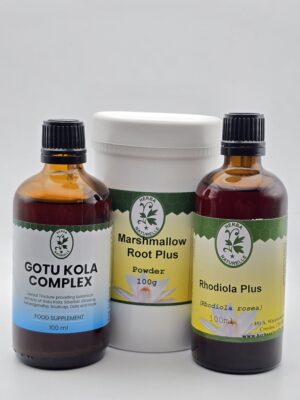 Nervous System Reset
Original price was: £163.68.£149.95Current price is: £149.95.
Nervous System Reset
Original price was: £163.68.£149.95Current price is: £149.95.
-
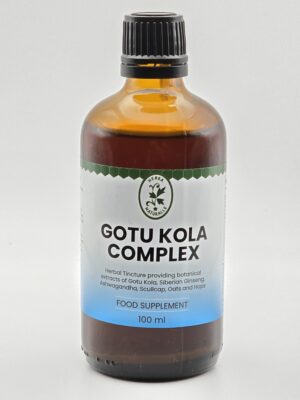 Gotu Kola Complex
£26.95
Gotu Kola Complex
£26.95