Herbs for Osteoporosis and Bone Health: What Actually Helps
Bone loss is one of the quietest health changes a body goes through, mostly because it produces no symptoms at all until a fracture happens, often from something as mundane as a stumble that would never have broken a younger, denser bone. That silence is exactly why so many people only start searching for herbs for osteoporosis after a diagnosis has already been made, usually following a routine bone density scan or, less happily, after an actual fracture.
This article looks at what herbal medicine can genuinely contribute to bone health, and it’s worth being upfront from the start that no herb replaces adequate calcium intake, vitamin D, weight bearing exercise, or medical treatment where osteoporosis is already established. What herbs can offer is meaningful, complementary support for the mineral density and hormonal factors that influence bone strength over time.
Why Bones Become Fragile in the First Place
Bone is living tissue, constantly being broken down and rebuilt throughout life. Up until roughly your mid-thirties, bone building generally outpaces bone breakdown. After that, the balance gradually tips the other way, and for women specifically, that decline accelerates sharply around menopause, as falling oestrogen levels remove a hormone that had previously helped protect bone density. This is exactly why osteoporosis is disproportionately common in postmenopausal women, though it affects men too, particularly later in life.
The Mineral Foundation Herbal Medicine Offers
Horse Tail Herb, often described as nature’s silica supplement, is one of the more relevant herbs here, since silica plays a structural role in bone and connective tissue formation. Nettle Leaf is another mineral dense option, providing calcium alongside a range of other trace minerals in a form the body generally absorbs well from a simple daily tea.
Alfalfa Leaf and Alfalfa Tops are both exceptionally nutrient dense plants, providing a broad spectrum of vitamins and minerals relevant to bone health, including vitamin K, which plays a specific, often overlooked role in directing calcium toward bone rather than soft tissue.
The Hormonal Side of Bone Density
Black Cohosh, best known for menopausal symptom support, has also been studied for a possible role in supporting bone density during the postmenopausal period, given the close relationship between oestrogen decline and bone loss. If you’re navigating perimenopause and want the wider hormonal picture, our guide to herbs for perimenopause and our dedicated piece on herbal medicine for menopause UK are both worth reading alongside this article, since bone health rarely exists in isolation from the broader hormonal transition happening at the same time.
Why Inflammation Matters for Bone as Much as Anywhere Else
Chronic low grade inflammation appears to accelerate bone breakdown over time, adding another reason to take systemic inflammation seriously even when it isn’t causing obvious symptoms. Our broader piece on understanding inflammation as a root driver of chronic disease is directly relevant here, even though bone health isn’t its central focus.
What Herbs Genuinely Cannot Replace
It bears repeating, because this is one area where overselling herbal medicine would be genuinely irresponsible. Weight bearing exercise is one of the single most powerful, well evidenced interventions for maintaining bone density, since bone responds directly to mechanical loading by building itself stronger. Adequate calcium and vitamin D intake, ideally confirmed with bloodwork rather than assumed, form the other non-negotiable foundation. Our guide to the full body MOT blood test explains what’s typically included and is a sensible starting point if you haven’t had your vitamin D levels checked recently, since deficiency is remarkably common and easily missed.
Diet Beyond Calcium Alone
Calcium gets most of the attention in bone health conversations, but it works within a wider nutritional picture that’s easy to oversimplify. Protein intake matters more than most people realise, since bone is roughly a third protein by composition, and inadequate protein over time can undermine bone strength even when calcium intake looks adequate on paper. Excessive salt intake, on the other hand, increases calcium loss through urine, and very high caffeine or alcohol intake has similarly been linked to reduced bone density over the long term. None of these factors act alone, which is exactly why a herbalist looking at bone health will usually ask about overall diet rather than focusing narrowly on calcium supplements alone.
A Case Worth Sharing
A woman in her early sixties came to clinic shortly after a bone density scan flagged osteopenia, the stage before full osteoporosis, keen to do everything possible to avoid it progressing further. Alongside encouragement to start regular resistance training, which she hadn’t done before, her plan included Horse Tail and Nettle Leaf daily, along with confirming her vitamin D levels through bloodwork and correcting a mild deficiency that turned up. A follow up scan roughly eighteen months later showed her bone density had stabilised rather than continuing to decline, a genuinely good outcome at this stage of life, and one that reflected the combination of approaches rather than any single element working alone.
Prevention Is Considerably Easier Than Correction
Bone density built earlier in life provides a genuine buffer against the decline that comes later, which is exactly why our broader piece on preventive health and herbal medicine makes the case for addressing these foundations well before any diagnosis, rather than waiting for a scan to prompt action. This applies across the whole family too, and our guide to herbal medicine for the whole family covers what’s appropriate at different life stages, since bone health genuinely starts being built in childhood and adolescence, long before it becomes a concern later on.
Falls Prevention Matters as Much as Bone Density Itself
It’s worth remembering that fractures result from both weakened bone and the fall itself, which means reducing fall risk is just as important as building bone density. Good balance, adequate lighting at home, appropriate footwear, and addressing any vision problems all reduce fracture risk meaningfully, and this practical, often overlooked side of prevention deserves just as much attention as the herbs and nutrients discussed throughout this article.
Building a Plan That Actually Supports Your Bones
If you’d like a proper assessment of what’s realistically achievable for your bone health, whether you already have a diagnosis or simply want to be proactive, you can book a consultation or go ahead and book an appointment online. The full herb directory has more detail on every herb mentioned here, our About Herbal Medicine page explains the clinical reasoning behind these recommendations, and our homepage has everything else you need to know about how the clinic works.
Bone health is a long game, built and protected over years rather than weeks, but it responds genuinely well to a combination of the right nutrients, the right movement, and a bit of informed patience.
Osteoporosis in Men Deserves Attention Too
It’s worth mentioning that osteoporosis is often thought of as a women’s condition, largely because of its close link to menopause, but men develop it too, particularly later in life and often later than it’s typically checked for, which can mean it goes unnoticed for longer. Low testosterone, certain medications, and lifestyle factors like heavy alcohol use or smoking all raise risk in men specifically. If you’re a man reading this because you’ve had a fracture that seemed disproportionate to the injury, it’s worth raising bone density testing with your GP rather than assuming osteoporosis doesn’t apply to you.
Herbal Medicine Works Best Started Early
Because bone loss is silent until a scan or fracture reveals it, many people only begin thinking about bone health once a degree of loss has already occurred. That doesn’t mean it’s too late to act, but it does mean expectations should be realistic, focused on slowing further loss and supporting what density remains, rather than expecting a dramatic reversal. Starting supportive herbs and lifestyle changes well before any diagnosis, particularly through the perimenopausal years when bone loss accelerates most sharply, tends to produce considerably better long term outcomes than waiting for a scan to prompt action.
A Note on Testing Rather Than Guessing
It’s worth stressing one final point. Bone density can only be properly measured with a DEXA scan, and no herb, supplement or symptom checklist can substitute for that objective measurement if osteoporosis is a genuine concern. Herbal medicine works best here as a supportive layer alongside proper medical monitoring, not as a replacement for finding out where you actually stand.
Our Trending Products & Bundles
-
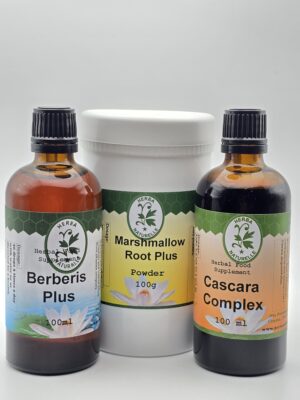 Digestive reset bundle
Original price was: £151.65.£144.95Current price is: £144.95.
-
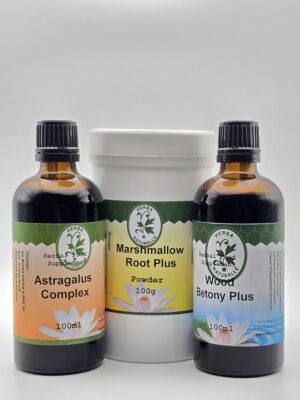 Smooth muscle and immune reset Bundle
Original price was: £177.60.£159.95Current price is: £159.95.
-
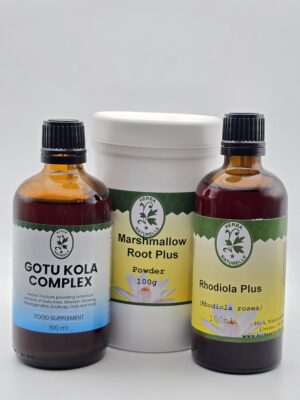 Nervous System Reset
Original price was: £163.68.£149.95Current price is: £149.95.
-
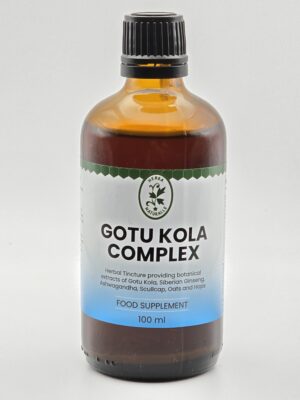 Gotu Kola Complex
£26.95

About the Author

Holistic Herbalist in UK · 30 Years of Excellence at Croydon, GB
Angela Jegnathan brings over 30 years of experience in integrated medicine and more than 25 years of full-time clinical herbal practice. Specializing in holistic herbal medicine, she focuses on restoring digestive health, calming the nervous system, and supporting the body's natural inflammatory response through evidence-based, patient-centered care.
Expertise: Holistic Herbs, Natural Medicines, Herbal Health
30 years of experience
