
Herbal Medicine for Fertility and Preconception Health
There’s a particular kind of hope, mixed with quiet anxiety, that arrives the moment a couple decides they’re ready to try for a baby. Suddenly every irregular cycle, every “off” month, every piece of advice from well meaning friends starts to feel weighted with more significance than it did before. Herbal medicine for fertility is one of the more emotionally loaded searches we see in clinic, and it deserves a genuinely honest answer rather than vague reassurance either way.
Herbal medicine cannot override a genuine medical fertility issue, and it should never delay proper investigation if conception hasn’t happened after a reasonable period of trying. What it can offer, in the months before and during trying to conceive, is real, evidence-informed support for the hormonal balance and general health that conception depends on.
Why Preconception Health Matters More Than People Realise
Egg and sperm quality both develop over a period of roughly three months before conception, which means the preconception window is genuinely worth taking seriously, not as a source of pressure, but as a practical opportunity. A body under chronic stress, running on poor sleep, or dealing with unresolved hormonal irregularity generally has a harder time achieving a smooth, well timed cycle, which is exactly why addressing these foundations before actively trying often pays off.
Our overview of women’s health and herbal medicine is a useful starting point for understanding the hormonal sequence involved, and it’s worth reading before narrowing in on fertility specifically.
Herbs Traditionally Used to Support Hormonal Balance
Agnus Castus is one of the most frequently recommended herbs in preconception care, supporting the balance between oestrogen and progesterone that governs a regular, healthy ovulatory cycle. Where ovulation itself seems irregular or absent, this balance is often the first thing a herbalist looks to address, since regular ovulation is a fairly basic prerequisite for conception.
Shatavari, sometimes described as the queen of female herbs in Ayurvedic tradition, has a long standing reputation specifically in reproductive health and fertility support, valued for its nourishing, tonifying action on female reproductive tissue.
Dong Quai and False Unicorn Root are both traditional female reproductive tonics used where the cycle feels generally sluggish or irregular, rather than addressing any single named condition.
The Overlooked Role of Circulation
Good blood flow to the reproductive organs is often overlooked in conversations about fertility, despite being fairly fundamental to healthy hormone delivery and tissue function. Red Clover, alongside its phyto-oestrogenic properties, has traditionally been considered supportive of reproductive tissue health more broadly, and it’s sometimes included in preconception formulas for this reason.
Why the Liver Matters for Fertility
This connection surprises most people the first time they hear it. Hormones, once used, need to be properly cleared from the body by the liver, and a sluggish liver can mean hormones recirculate rather than being efficiently processed, potentially disrupting the clean, cyclical hormonal signalling that ovulation depends on. Milk Thistle Seed is the classic liver support herb in Western herbal medicine, and it’s a genuinely underrated addition to a fertility focused plan for exactly this reason.
Nutrient Density Matters Before You’re Even Pregnant
Nettle Leaf is a genuinely nutrient dense herb, rich in iron and a range of minerals that support general reproductive health, and it’s a gentle, safe herb to take regularly through the preconception period, unlike many herbs that need to be stopped once pregnancy is confirmed.
Ruling Out Underlying Conditions First
Fertility difficulty is sometimes linked to an underlying hormonal condition rather than a general imbalance, and it’s worth investigating this properly rather than assuming a general fertility herb will resolve everything. Herbal medicine for PCOS UK covers one of the most common underlying causes of fertility difficulty in women, and thyroid dysfunction is another significant, frequently overlooked factor, covered in our guide to herbal medicine for thyroid health UK. A herbalist worth seeing will ask about your cycle history in enough detail to flag either of these possibilities before recommending anything specific.
Stress Is Not a Minor Detail Here
Chronic stress has a genuine, measurable effect on reproductive hormone signalling, partly because the stress hormone pathway and the reproductive hormone pathway share overlapping resources in the body. How chronic stress affects the body explains this connection properly, and addressing stress levels is frequently one of the more impactful, if less glamorous, parts of a fertility focused plan.
Low grade inflammation is a related, similarly overlooked factor, and our piece on understanding inflammation as a root driver of chronic disease explains why calming systemic inflammation is often part of a well rounded preconception plan, even when it isn’t the most obvious place to start.
Fertility Isn’t Only About the Woman’s Cycle
It’s worth saying plainly that fertility difficulty isn’t automatically a female issue, and roughly half of fertility cases involve a male factor either alongside or instead of anything happening on the female side. Sperm health, like egg quality, develops over a roughly three month window and is genuinely affected by stress, sleep, alcohol intake and general health, which means preconception care works best when it’s approached as something both partners are doing together, rather than one person’s project alone.
Herbs to Stop Once You’re Actively Trying or Pregnant
It’s worth flagging plainly that several herbs discussed in general fertility contexts, and even some mentioned elsewhere on this site, aren’t appropriate once you’re actively trying to conceive or once pregnancy is confirmed. Herbs with a strong emmenagogue action, meaning they stimulate menstrual flow, are generally avoided during the fertile window and throughout pregnancy, and this is precisely the kind of detail that makes working with a qualified herbalist meaningfully safer than combining supplements picked up independently online. A proper case history means knowing exactly what stage you’re at and adjusting the plan accordingly, rather than continuing exactly the same formula straight through from preconception into early pregnancy.
The Emotional Weight of This Process Deserves Acknowledgement
Trying to conceive, particularly when it takes longer than expected, carries an emotional weight that’s easy to underestimate from the outside. Each month can bring a fresh cycle of hope and disappointment, and that stress, on top of everything else already discussed here, has a genuine physiological effect that can make the process feel even harder. It’s worth being kind to yourself through this, seeking support where you need it, whether that’s from a partner, a counsellor, or simply someone who understands what the waiting actually feels like, rather than carrying it entirely alone while also trying to optimise every other variable at once.
A Case Worth Sharing
A couple in their early thirties came to clinic after roughly a year of trying to conceive without success, having already had basic fertility investigations come back unremarkable. The woman’s cycle had become somewhat irregular over the previous couple of years, and stress from a demanding job seemed to be a significant, largely unaddressed factor. A plan built around Agnus Castus for cycle regulation, Milk Thistle for hormone clearance, and a genuine, structured effort to reduce her work related stress load led to a noticeably more regular cycle within three months, and she conceived naturally within the following two cycles after that.
Building a Plan for the Months Ahead
If you’re preparing to try for a baby, or have been trying for a while without success, a proper case history can help identify what’s actually worth addressing rather than guessing from a generic fertility supplement list. You can book a consultation or go ahead and book an appointment online. The full herb directory has more detail on every herb mentioned here, our About Herbal Medicine page explains the clinical approach behind these recommendations, and our homepage has the full picture of how the clinic supports women and couples through this stage.
Preconception health is one of the more hopeful areas of herbal practice to work in, precisely because so much of it is genuinely within your control, given the right guidance and a bit of patience.
When to Seek Fertility Investigation Alongside Herbal Support
It’s worth being clear about timing here, since herbal support works best as a genuine complement to proper medical guidance rather than a reason to delay it. Current guidance generally suggests seeking a fertility assessment after twelve months of trying without success for women under thirty-five, or after six months for women over thirty-five, and sooner still if there’s a known reason for concern, such as very irregular cycles or a prior diagnosis affecting fertility. Herbal medicine can be used well alongside that investigation process, supporting general hormonal health while any underlying issues are properly identified, rather than being used as a reason to put off seeking that assessment in the first place.
Our Trending Products & Bundles
-
 Digestive reset bundle
Original price was: £151.65.£144.95Current price is: £144.95.
-
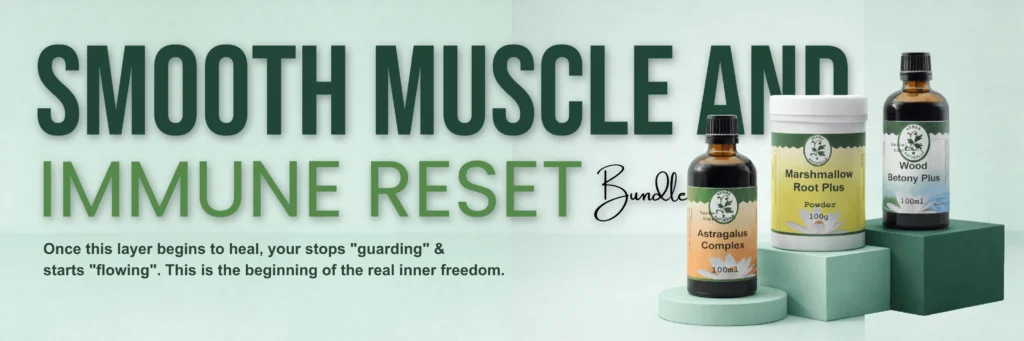
 Smooth muscle and immune reset Bundle
Original price was: £177.60.£159.95Current price is: £159.95.
-
 Nervous System Reset
Original price was: £163.68.£149.95Current price is: £149.95.
-
 Gotu Kola Complex
£26.95

About the Author

Holistic Herbalist in UK · 30 Years of Excellence at Croydon, GB
Angela Jegnathan brings over 30 years of experience in integrated medicine and more than 25 years of full-time clinical herbal practice. Specializing in holistic herbal medicine, she focuses on restoring digestive health, calming the nervous system, and supporting the body's natural inflammatory response through evidence-based, patient-centered care.
Expertise: Holistic Herbs, Natural Medicines, Herbal Health
30 years of experience
