Herbs for Menstrual Cramps: What Actually Eases Period Pain
There is a peculiar kind of resignation many women carry about period pain, an assumption that it is simply the price of having a uterus, to be managed with a hot water bottle and a day written off every month. Some degree of cramping is genuinely normal, caused by the uterus contracting to shed its lining, but pain severe enough to disrupt work, sleep or daily life is not something to simply endure, however common it may be. Herbs for menstrual cramps have a long, well documented history precisely because this is one of the oldest complaints in herbal medicine, and one of the areas where traditional use and modern understanding line up particularly well. Long before anyone understood prostaglandins, herbalists across entirely different traditions independently reached for the same categories of plants for painful periods, antispasmodics to ease the contraction, and anti-inflammatories to calm the underlying trigger, which is a striking piece of convergent evidence in itself, and one that gives modern practitioners real confidence in these traditional approaches.
Why Cramps Happen and Why Severity Varies So Much
Menstrual cramps are caused primarily by prostaglandins, hormone like compounds that trigger the uterine muscle to contract in order to shed its lining each month. Women who produce higher levels of certain prostaglandins tend to experience more intense cramping, along with symptoms like nausea and lower back pain, which is why period pain severity can vary so dramatically between women, and even between different cycles in the same woman, sometimes for reasons that are never fully explained by any single test. Understanding this mechanism matters because it explains why anti-inflammatory approaches, herbal or otherwise, tend to be genuinely effective for period pain specifically, rather than simply masking discomfort the way a purely numbing painkiller might.
The Classic Antispasmodic Herbs
Cramp bark earns its common name honestly, it is one of the most reliable antispasmodic herbs in the Western herbal tradition, specifically valued for easing smooth muscle cramping of the kind the uterus produces during menstruation, and it remains one of the most frequently reached for herbs in clinic for exactly this complaint. Black cohosh has a long traditional use for painful periods alongside its better known role in menopausal symptoms, and motherwort combines antispasmodic action with a traditional reputation for calming the anxious, unsettled feeling that often accompanies a painful cycle, addressing both the physical contraction and the emotional response to it at the same time.
Anti-Inflammatory Support
Because prostaglandins are inflammatory in nature, herbs with a traditional anti-inflammatory reputation are particularly relevant here, working with the same biochemical pathway that pharmaceutical anti-inflammatories target, though through gentler and broader mechanisms. White willow bark, sometimes described as nature’s original pain remedy and a historical precursor to aspirin, has centuries of traditional use for pain relief broadly, including menstrual pain specifically. Meadowsweet, the plant that actually inspired the development of aspirin, carries a similar traditional reputation while also being gentler on the digestive system than its pharmaceutical descendant, which makes it a useful option for women who find standard pain relief tablets upset their stomach during their period.
When Cramps Come With a Headache
Some women notice their worst cramps arrive alongside a hormonal headache, a pattern that is common enough to have its own name in clinical literature, and our dedicated article on feverfew covers a herb with one of the strongest traditional reputations for migraine prevention, which is worth understanding if this pattern sounds familiar. Our broader guide to natural remedies for migraines and tension headaches goes into far more depth on the hormonal headache connection specifically, including why some women only experience migraines around their period and never at any other time of the month.
Yarrow and Wild Yam: Two Underrated Options
Yarrow has a dual traditional reputation for both regulating menstrual flow and easing cramping, making it a useful herb for women whose pain is accompanied by heavier than usual bleeding rather than pain alone. Wild yam, despite its modern reputation being tangled up with hormone myths that outstrip the actual evidence, has a genuine traditional history as an antispasmodic herb used specifically for cramping pain in the reproductive organs and digestive tract alike, and it is worth separating this legitimate traditional use from the more exaggerated claims sometimes made about it online.
The Inflammation and Hormone Connection
Chronic low grade inflammation can worsen period pain considerably, which is why our article on understanding inflammation is worth reading alongside this one, particularly for women whose cramps seem to be intensifying over time rather than staying consistent year on year. Because painful periods so often overlap with other hormonal patterns, our broader piece on women’s health and herbal medicine and our dedicated article on herbal medicine for PCOS are both useful companion reading, since irregular hormonal patterns and painful periods frequently travel together, and treating one without acknowledging the other rarely produces lasting results.
Stress Makes Pain Feel Worse, Not Just in Your Head
Stress does not create menstrual cramps, but it genuinely amplifies how pain is perceived and processed by the nervous system, which is part of why cramps can feel unbearable during a stressful month and merely uncomfortable during a calmer one, even when the physical cause is exactly the same. Our article on how chronic stress affects the body explains this mechanism, and because poor sleep lowers pain tolerance further still, our evidence based guide to herbal medicine for sleep is a useful companion piece for anyone whose worst cramps seem to coincide with their most exhausted weeks.
Everyday Habits That Support Herbal Pain Relief
Heat remains one of the most underrated tools for period pain, and there is good physiological reason for that: heat relaxes smooth muscle and improves local blood flow, working through a genuinely different mechanism than herbs or medication, which is why the two combine so well rather than competing with each other. Gentle movement, even a short walk, often eases cramping more than resting completely still, since movement increases circulation to the pelvis and can help disperse the build up of prostaglandins that drive the pain. Reducing caffeine and alcohol in the days leading up to a period is worth experimenting with too, since both can worsen cramping in some women, though the effect varies enough between individuals that it is worth tracking your own response rather than assuming it applies universally to everyone.
Diet in the two weeks before a period also matters more than most people expect. Diets higher in omega 3 fats and lower in processed, inflammatory foods have been associated with less severe period pain in several studies, which fits neatly with the anti-inflammatory herbal approach described above, both working on the same underlying mechanism from different angles and reinforcing each other when used together consistently over several cycles.
A Realistic, Honest View
We want to be upfront: pain severe enough to prevent normal daily activity, pain that worsens progressively cycle after cycle, or pain accompanied by very heavy bleeding should always be assessed by a GP, since these can occasionally point toward conditions like endometriosis or fibroids that need proper medical investigation rather than herbal management alone. It is worth saying clearly that pain this severe is never something you simply have to live with, even if you have been told that in the past. Herbal medicine genuinely helps with ordinary, cyclical menstrual pain, but severe or worsening pain deserves a proper diagnostic conversation first.
Discuss Your Case With a Herbalist
Because period pain varies so much from person to person, both in cause and severity, working through a consultation with a qualified herbalist is the best way to find the combination that actually addresses your pattern rather than a generic, one size fits all approach. Learn more about our clinical approach, or read through our patient success stories to see how other women have brought their monthly pain down to something genuinely manageable, rather than simply enduring it as an unavoidable monthly event.
Our Trending Products & Bundles
-
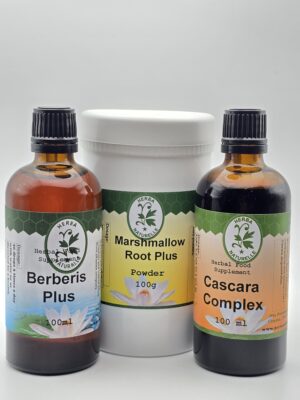 Digestive reset bundle
Original price was: £151.65.£144.95Current price is: £144.95.
-
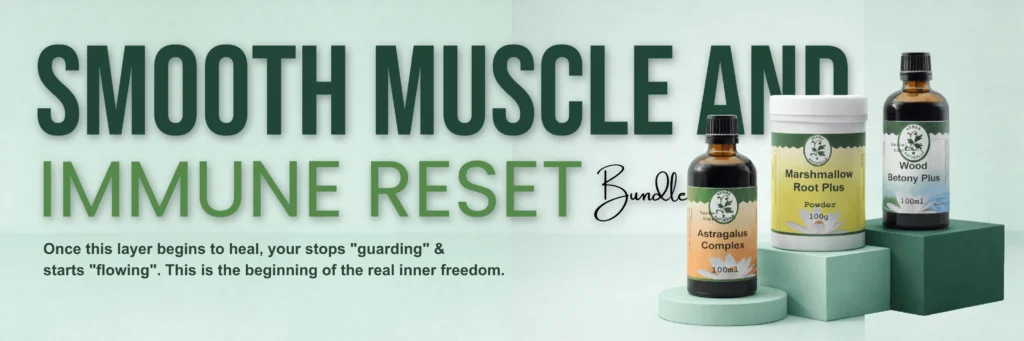
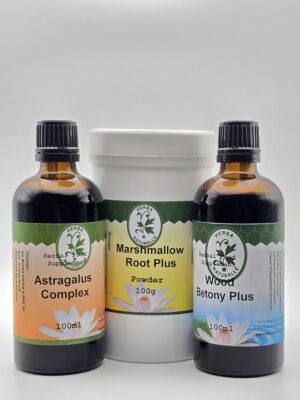 Smooth muscle and immune reset Bundle
Original price was: £177.60.£159.95Current price is: £159.95.
-
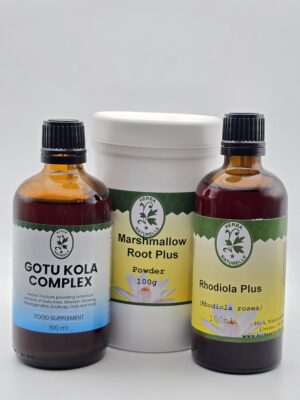 Nervous System Reset
Original price was: £163.68.£149.95Current price is: £149.95.
-
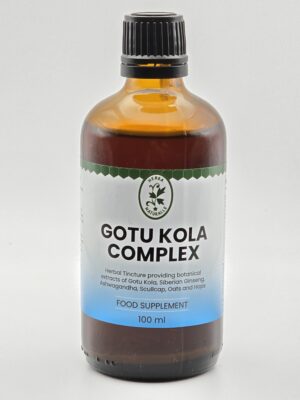 Gotu Kola Complex
£26.95

About the Author

Holistic Herbalist in UK · 30 Years of Excellence at Croydon, GB
Angela Jegnathan brings over 30 years of experience in integrated medicine and more than 25 years of full-time clinical herbal practice. Specializing in holistic herbal medicine, she focuses on restoring digestive health, calming the nervous system, and supporting the body's natural inflammatory response through evidence-based, patient-centered care.
Expertise: Holistic Herbs, Natural Medicines, Herbal Health
30 years of experience
