Peppermint Oil Capsules for IBS: Do They Really Work?
By Anjela Jeganathan – Medical Herbalist | Herba Naturalle
Peppermint oil capsules occupy a rare position in herbal medicine: they are one of the few herbal preparations with a Cochrane-reviewed evidence base confirming clinical efficacy, and they are available both as a licensed pharmaceutical product and as an over-the-counter herbal supplement. Understanding how they work, who they work for, and critically — why the form of the capsule matters — makes the difference between getting benefit and getting nothing.
How Peppermint Oil Works for IBS
The primary active compound in peppermint oil is menthol — which constitutes 35–55% of the essential oil. Menthol acts as a calcium channel blocker in intestinal smooth muscle. By blocking the influx of calcium into smooth muscle cells, menthol directly relaxes the contracted, spasmodic intestinal wall that is responsible for the cramping, pain, and urgency of IBS.
This is not a mild or marginal effect — it is the same mechanism by which the pharmaceutical antispasmodic mebeverine works, achieved through a natural compound.
The full clinical picture of IBS, IBD, and bowel symptoms is explored in depth in our post on IBS, IBD, UC and bowel cancer — understanding your intestinal symptoms.
The Evidence: What the Research Shows
A Cochrane systematic review of randomised controlled trials found that peppermint oil was significantly superior to placebo for global improvement in IBS symptoms, with particular benefit for:
- Abdominal pain and cramping
- Bloating and distension
- Stool frequency and consistency
- Overall quality of life
Effect sizes were comparable to pharmaceutical antispasmodics, with a more favourable side effect profile.
Why Enteric Coating Is Essential
This is the critical point that many people miss. Standard peppermint oil capsules dissolve in the stomach — releasing menthol in the wrong place. This can cause:
- Heartburn (menthol relaxes the lower oesophageal sphincter)
- Nausea
- Oesophageal burning
Enteric-coated peppermint oil capsules are designed with a coating that resists stomach acid and dissolves only in the small intestine — delivering the menthol exactly where it is needed to relax intestinal smooth muscle.
Always use enteric-coated preparations for IBS treatment. This is the form used in all clinical trials.
Dosing and Timing
- Standard dose: One or two 0.2ml enteric-coated capsules, three times daily
- Timing: 30–60 minutes before meals — before eating triggers the digestive contractions that worsen IBS
- Duration: Most clinical benefit is seen within 2–4 weeks of consistent use
Bloating and Trapped Wind
Peppermint oil is also effective for bloating and trapped wind — the carminative (gas-dispersing) properties of menthol relax the smooth muscle that traps gas bubbles, allowing their release. This is discussed in the broader guide to bloating, trapped wind and constipation causes and relief.
The underlying gut health picture — including the digestive system anatomy and function — is explained in our educational post on gut and digestive health.
When Peppermint Oil Is Not Appropriate
- GERD or acid reflux — peppermint relaxes the lower oesophageal sphincter and will worsen reflux. Use enteric-coated preparations or avoid entirely if reflux is a significant issue
- Hiatus hernia — use with caution
- Infants and young children — menthol near the face causes respiratory distress; avoid in young children
- Gallstones — use with professional guidance
This article is for educational purposes only. Please consult your GP or a qualified medical herbalist before use.
Our Trending Products & Bundles
-
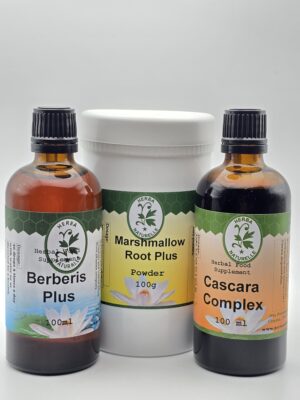 Digestive reset bundle
Original price was: £151.65.£144.95Current price is: £144.95.
Digestive reset bundle
Original price was: £151.65.£144.95Current price is: £144.95.
-
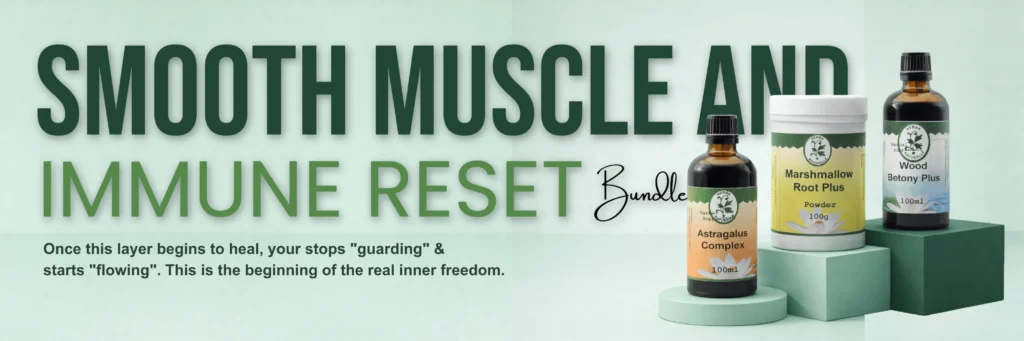
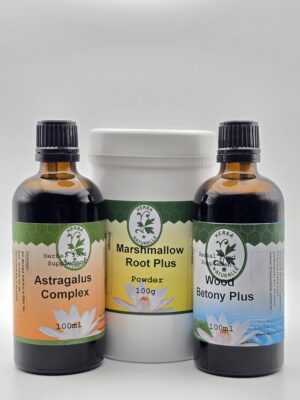 Smooth muscle and immune reset Bundle
Original price was: £177.60.£159.95Current price is: £159.95.
Smooth muscle and immune reset Bundle
Original price was: £177.60.£159.95Current price is: £159.95.
-
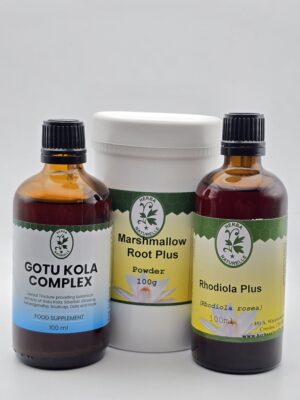 Nervous System Reset
Original price was: £163.68.£149.95Current price is: £149.95.
Nervous System Reset
Original price was: £163.68.£149.95Current price is: £149.95.
-
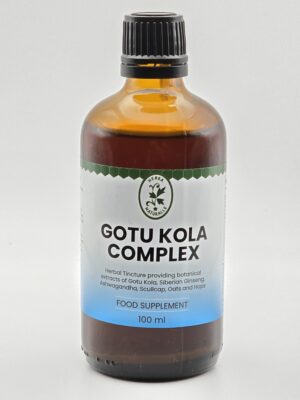 Gotu Kola Complex
£26.95
Gotu Kola Complex
£26.95

About the Author

Holistic Herbalist in UK · 30 Years of Excellence at Croydon, GB
Angela Jegnathan brings over 30 years of experience in integrated medicine and more than 25 years of full-time clinical herbal practice. Specializing in holistic herbal medicine, she focuses on restoring digestive health, calming the nervous system, and supporting the body's natural inflammatory response through evidence-based, patient-centered care.
Expertise: Holistic Herbs, Natural Medicines, Herbal Health
30 years of experience
