
Herbal Medicine for Digestive Health: A Clinical Overview
By Anjela Jeganathan – Medical Herbalist | Herba Naturalle
Digestive health is one of the most common reasons people seek herbal medicine. The gut is not simply a tube that processes food it is an extraordinarily complex organ system that influences immune function, mental health, cardiovascular risk, hormonal balance, and energy metabolism. When the gut is not functioning well, the consequences extend far beyond digestion.
The Gut as the Root of Health
The clinical philosophy behind much of herbal medicine’s approach to digestive health is that the gut is the root layer of many systemic conditions. A well-functioning gut that digests, absorbs, and eliminates efficiently, that maintains a healthy microbial ecology, and that forms an intact mucosal barrier, is foundational to health in a way that extends well beyond the digestive system itself.
This is explored in depth in our clinical post on understanding your digestive system from mouth to colon, which explains the functions of each digestive organ and the patterns of dysfunction that most commonly present clinically.
IBS and Bowel Function
Irritable bowel syndrome is one of the most prevalent conditions in clinical herbal practice affecting an estimated 10–15% of the UK population and representing one of the commonest reasons for GP consultation. Conventional management centres on dietary advice (particularly the Low-FODMAP diet), antispasmodics, and laxatives or antidiarrhoeals.
Herbal medicine offers a broader approach: addressing the smooth muscle dysfunction of the gut wall, the mucosal inflammation that drives hypersensitivity, the digestive enzyme and bile insufficiency that affects food processing, and the nervous system dysregulation that causes the visceral hypersensitivity characteristic of IBS.
Our detailed post on IBS, IBD, UC and bowel cancer understanding intestinal symptoms provides a thorough overview of the distinctions between these conditions and how to recognise what may be driving symptoms.
Gastritis, Bloating and Trapped Wind
Gastritis, bloating, trapped wind, and functional dyspepsia represent a connected cluster of upper digestive conditions that respond well to herbal intervention. The key herbal approaches include:
- Demulcent herbs (Slippery Elm, Marshmallow Root) that soothe and protect the inflamed gastric and intestinal mucosa
- Carminative herbs (Peppermint, Fennel, Ginger, Chamomile) that relieve gas and intestinal spasm
- Digestive bitter herbs (Dandelion Root, Artichoke, Gentian) that stimulate bile and digestive enzyme production
Our article on gastritis, sickness bugs, and recovery explores the pattern of acute and chronic gastric inflammation and the recovery approaches most clinically relevant.
The practical management of bloating, trapped wind, and constipation including which foods help and which aggravate is addressed in our guide to bloating, trapped wind and constipation relief.
Liver and Metabolic Support
The liver sits at the centre of digestive and metabolic health processing nutrients absorbed from the gut, producing bile for fat digestion, metabolising hormones and toxins, and regulating blood glucose. Herbal medicine has a rich and evidence-supported tradition of liver support using herbs such as Milk Thistle (silymarin one of the most researched hepatoprotective compounds in the world), Dandelion Root, Artichoke, and Schisandra.
The connection between liver health and the broader metabolic picture including the growing prevalence of fatty liver disease is explored in our article on fatty liver, its early warning signs, and lifestyle support.
Abdominal Pain and When to Seek Help
Herbal medicine can offer meaningful support for many digestive conditions, but abdominal pain requires careful assessment to ensure that serious causes are not overlooked. Our post on stomach and abdominal pain what lower left, lower right and central pain could mean provides a guide to the patterns that warrant prompt medical attention.
This article is for educational purposes only. Please see your GP for any new, severe, or changing digestive symptoms.
Digestive health is one of the most common reasons people seek herbal medicine. The gut is not simply a tube that processes food it is an extraordinarily complex organ system that influences immune function, mental health, cardiovascular risk, hormonal balance, and energy metabolism. When the gut is not functioning well, the consequences extend far beyond digestion.
The Gut as the Root of Health
The clinical philosophy behind much of herbal medicine’s approach to digestive health is that the gut is the root layer of many systemic conditions. A well-functioning gut that digests, absorbs, and eliminates efficiently, that maintains a healthy microbial ecology, and that forms an intact mucosal barrier, is foundational to health in a way that extends well beyond the digestive system itself.
This is explored in depth in our clinical post on understanding your digestive system from mouth to colon, which explains the functions of each digestive organ and the patterns of dysfunction that most commonly present clinically.
IBS and Bowel Function
Irritable bowel syndrome is one of the most prevalent conditions in clinical herbal practice affecting an estimated 10–15% of the UK population and representing one of the commonest reasons for GP consultation. Conventional management centres on dietary advice (particularly the Low-FODMAP diet), antispasmodics, and laxatives or antidiarrhoeals.
Herbal medicine offers a broader approach: addressing the smooth muscle dysfunction of the gut wall, the mucosal inflammation that drives hypersensitivity, the digestive enzyme and bile insufficiency that affects food processing, and the nervous system dysregulation that causes the visceral hypersensitivity characteristic of IBS.
Our detailed post on IBS, IBD, UC and bowel cancer understanding intestinal symptoms provides a thorough overview of the distinctions between these conditions and how to recognise what may be driving symptoms.
Gastritis, Bloating and Trapped Wind
Gastritis, bloating, trapped wind, and functional dyspepsia represent a connected cluster of upper digestive conditions that respond well to herbal intervention. The key herbal approaches include:
- Demulcent herbs (Slippery Elm, Marshmallow Root) that soothe and protect the inflamed gastric and intestinal mucosa
- Carminative herbs (Peppermint, Fennel, Ginger, Chamomile) that relieve gas and intestinal spasm
- Digestive bitter herbs (Dandelion Root, Artichoke, Gentian) that stimulate bile and digestive enzyme production
Our article on gastritis, sickness bugs, and recovery explores the pattern of acute and chronic gastric inflammation and the recovery approaches most clinically relevant.
The practical management of bloating, trapped wind, and constipation including which foods help and which aggravate is addressed in our guide to bloating, trapped wind and constipation relief.
Liver and Metabolic Support
The liver sits at the centre of digestive and metabolic health processing nutrients absorbed from the gut, producing bile for fat digestion, metabolising hormones and toxins, and regulating blood glucose. Herbal medicine has a rich and evidence-supported tradition of liver support using herbs such as Milk Thistle (silymarin one of the most researched hepatoprotective compounds in the world), Dandelion Root, Artichoke, and Schisandra.
The connection between liver health and the broader metabolic picture including the growing prevalence of fatty liver disease is explored in our article on fatty liver, its early warning signs, and lifestyle support.
Abdominal Pain and When to Seek Help
Herbal medicine can offer meaningful support for many digestive conditions, but abdominal pain requires careful assessment to ensure that serious causes are not overlooked. Our post on stomach and abdominal pain what lower left, lower right and central pain could mean provides a guide to the patterns that warrant prompt medical attention.
By Anjela Jeganathan – Medical Herbalist | Herba Naturalle
Digestive health is one of the most common reasons people seek herbal medicine. The gut is not simply a tube that processes food it is an extraordinarily complex organ system that influences immune function, mental health, cardiovascular risk, hormonal balance, and energy metabolism. When the gut is not functioning well, the consequences extend far beyond digestion.
The Gut as the Root of Health
The clinical philosophy behind much of herbal medicine’s approach to digestive health is that the gut is the root layer of many systemic conditions. A well-functioning gut that digests, absorbs, and eliminates efficiently, that maintains a healthy microbial ecology, and that forms an intact mucosal barrier, is foundational to health in a way that extends well beyond the digestive system itself.
This is explored in depth in our clinical post on understanding your digestive system from mouth to colon, which explains the functions of each digestive organ and the patterns of dysfunction that most commonly present clinically.
IBS and Bowel Function
Irritable bowel syndrome is one of the most prevalent conditions in clinical herbal practice affecting an estimated 10–15% of the UK population and representing one of the commonest reasons for GP consultation. Conventional management centres on dietary advice (particularly the Low-FODMAP diet), antispasmodics, and laxatives or antidiarrhoeals.
Herbal medicine offers a broader approach: addressing the smooth muscle dysfunction of the gut wall, the mucosal inflammation that drives hypersensitivity, the digestive enzyme and bile insufficiency that affects food processing, and the nervous system dysregulation that causes the visceral hypersensitivity characteristic of IBS.
Our detailed post on IBS, IBD, UC and bowel cancer understanding intestinal symptoms provides a thorough overview of the distinctions between these conditions and how to recognise what may be driving symptoms.
Gastritis, Bloating and Trapped Wind
Gastritis, bloating, trapped wind, and functional dyspepsia represent a connected cluster of upper digestive conditions that respond well to herbal intervention. The key herbal approaches include:
- Demulcent herbs (Slippery Elm, Marshmallow Root) that soothe and protect the inflamed gastric and intestinal mucosa
- Carminative herbs (Peppermint, Fennel, Ginger, Chamomile) that relieve gas and intestinal spasm
- Digestive bitter herbs (Dandelion Root, Artichoke, Gentian) that stimulate bile and digestive enzyme production
Our article on gastritis, sickness bugs, and recovery explores the pattern of acute and chronic gastric inflammation and the recovery approaches most clinically relevant.
The practical management of bloating, trapped wind, and constipation including which foods help and which aggravate is addressed in our guide to bloating, trapped wind and constipation relief.
Liver and Metabolic Support
The liver sits at the centre of digestive and metabolic health processing nutrients absorbed from the gut, producing bile for fat digestion, metabolising hormones and toxins, and regulating blood glucose. Herbal medicine has a rich and evidence-supported tradition of liver support using herbs such as Milk Thistle (silymarin one of the most researched hepatoprotective compounds in the world), Dandelion Root, Artichoke, and Schisandra.
The connection between liver health and the broader metabolic picture including the growing prevalence of fatty liver disease is explored in our article on fatty liver, its early warning signs, and lifestyle support.
Abdominal Pain and When to Seek Help
Herbal medicine can offer meaningful support for many digestive conditions, but abdominal pain requires careful assessment to ensure that serious causes are not overlooked. Our post on stomach and abdominal pain what lower left, lower right and central pain could mean provides a guide to the patterns that warrant prompt medical attention.
This article is for educational purposes only. Please see your GP for any new, severe, or changing digestive symptoms.
Our Trending Products & Bundles
-
 Digestive reset bundle
Original price was: £151.65.£144.95Current price is: £144.95.
Digestive reset bundle
Original price was: £151.65.£144.95Current price is: £144.95.
-
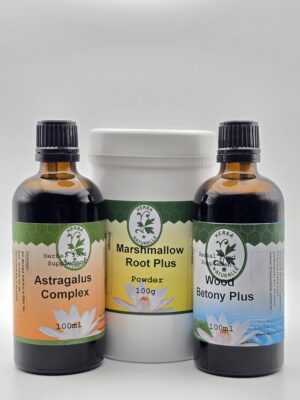 Smooth muscle and immune reset Bundle
Original price was: £177.60.£159.95Current price is: £159.95.
Smooth muscle and immune reset Bundle
Original price was: £177.60.£159.95Current price is: £159.95.
-
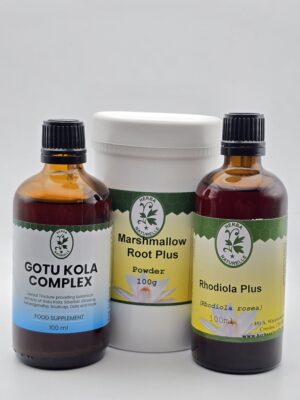 Nervous System Reset
Original price was: £163.68.£149.95Current price is: £149.95.
Nervous System Reset
Original price was: £163.68.£149.95Current price is: £149.95.
-
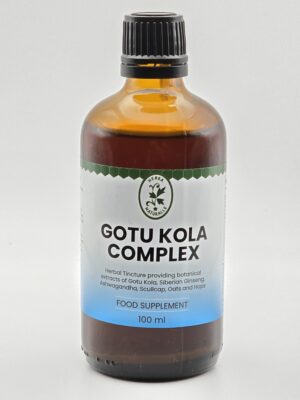 Gotu Kola Complex
£26.95
Gotu Kola Complex
£26.95


About the Author

Holistic Herbalist in UK · 30 Years of Excellence at Croydon, GB
Angela Jegnathan brings over 30 years of experience in integrated medicine and more than 25 years of full-time clinical herbal practice. Specializing in holistic herbal medicine, she focuses on restoring digestive health, calming the nervous system, and supporting the body's natural inflammatory response through evidence-based, patient-centered care.
Expertise: Holistic Herbs, Natural Medicines, Herbal Health
30 years of experience
