
Gastritis and Sickness Bugs: How Long They Last and How to Recover Faster
Introduction
A sudden stomach illness can knock you off your feet for days. Whether it is the misery of a norovirus sweeping through the family, or the nagging burning pain of gastritis that lingers for weeks, these conditions are among the most common reasons people search for answers online at 2am. This article explains the difference between a sickness bug and gastritis, how long each typically lasts, what helps and crucially, what makes things worse.
What Is a Sickness Bug?
A “sickness bug” is a colloquial UK term for acute gastroenteritis, inflammation of the stomach and intestines caused by infection. The most common culprits include:
- Norovirus, the most common cause of gastroenteritis in the UK, responsible for around 600,000 cases per year; highly contagious and can spread rapidly in households, schools, care homes, and hospitals
- Rotavirus, particularly common in children under five; now largely prevented by the childhood vaccine programme
- Campylobacter, Salmonella, E. coli, and Listeria, bacterial causes, usually from contaminated food
- Adenovirus and astrovirus, less common viral causes
Symptoms of a Sickness Bug
- Sudden onset of nausea and vomiting
- Diarrhoea, often watery and frequent
- Stomach cramping
- Low-grade fever (more common with bacterial causes)
- Headache, muscle aches, and general fatigue
- Loss of appetite
How Long Does a Sickness Bug Last?
This is the most common question and the honest answer is: it depends on the cause.
| Cause | Typical Duration |
|---|---|
| Norovirus | 1–3 days |
| Rotavirus (children) | 3–8 days |
| Campylobacter | 2–5 days (can extend to 10 days) |
| Salmonella | 4–7 days |
| Food poisoning (Staph. aureus toxin) | 6–24 hours |
Most uncomplicated viral sickness bugs resolve within 48–72 hours. Bacterial causes tend to last longer and may require investigation or treatment.
What Helps a Sickness Bug?
The most important thing during an acute gastroenteritis episode is to prevent dehydration, particularly in young children, older adults, and those with underlying health conditions.
NHS-recommended management:
- Rest the gut, small sips of fluid rather than large amounts; avoid solid food until vomiting has settled for several hours
- Oral rehydration solution (ORS), available from pharmacies (Dioralyte, Electrolade); replaces lost electrolytes as well as fluid. Plain water alone is not as effective for children who have been vomiting and have diarrhoea
- Gradually reintroduce food, start with plain, easily digested foods such as rice, plain toast, crackers, or banana when you feel ready. The old BRAT diet (Banana, Rice, Applesauce, Toast) remains a practical guide
- Avoid dairy, fatty foods, and sugary drinks initially as these can worsen diarrhoea
- Stay at home, norovirus is extremely contagious; stay away from work, school, and particularly healthcare settings for at least 48 hours after the last vomiting or diarrhoea episode
When to seek medical help:
- Signs of severe dehydration: no urination for 8+ hours, dry mouth, sunken eyes, extreme weakness or confusion
- Blood in vomit or diarrhoea
- High fever (above 38.5°C)
- Symptoms that have not improved after 3–4 days
- Symptoms in a person who is immunocompromised, pregnant, or very elderly
What Is Gastritis?
Gastritis is inflammation of the lining of the stomach. Unlike a sickness bug (which is acute and usually viral), gastritis can be acute (short-term) or chronic (persisting for weeks, months, or even years without treatment).
Causes of Gastritis
- Helicobacter pylori (H. pylori) infection: the most common cause of chronic gastritis worldwide; detected via breath test, blood test, or stool antigen test at your GP
- Regular use of non-steroidal anti-inflammatory drugs (NSAIDs): aspirin, ibuprofen, and naproxen all irritate the stomach lining
- Excess alcohol consumption: directly damages the stomach lining
- Stress: particularly prolonged acute illness (ICU patients, for example, routinely receive gastroprotective medication)
- Bile reflux; bile from the small intestine flowing back into the stomach
- Autoimmune gastritis: the immune system attacks stomach lining cells; associated with pernicious anaemia
Symptoms of Gastritis
- Burning or gnawing pain in the upper central abdomen (epigastric pain)
- Nausea, sometimes with vomiting
- Feeling of fullness or bloating after only small amounts of food
- Loss of appetite
- Indigestion
- In more severe cases: vomiting blood (haematemesis) or black/tarry stools (melaena), these require urgent care
How Long Does Gastritis Last?
The duration of gastritis varies considerably based on the cause:
- Acute gastritis (caused by a single insult, such as NSAID use or alcohol): typically improves within a few days to two weeks once the trigger is removed and stomach-soothing measures are in place
- H. pylori gastritis: does not resolve on its own; requires a course of eradication therapy (antibiotics plus a proton pump inhibitor), after which the gastritis gradually heals over weeks to months
- Autoimmune gastritis: chronic and progressive; managed rather than cured
- NSAID-induced gastritis: may take 4–8 weeks of treatment with a proton pump inhibitor (PPI) to heal fully while avoiding the offending medication
What Helps Gastritis Heal?
Dietary measures:
- Eat small, frequent meals rather than large ones
- Avoid NSAIDs, switch to paracetamol for pain relief where possible
- Reduce or eliminate alcohol
- Avoid spicy, acidic, and fatty foods that irritate the stomach lining
- Limit coffee and carbonated drinks
- Don’t eat too close to bedtime (lying down with a full stomach worsens symptoms)
Conventional treatment:
- Antacids (Gaviscon, Rennies) for symptom relief
- H2 receptor antagonists (famotidine) to reduce acid production
- Proton pump inhibitors (omeprazole, lansoprazole), the most effective acid suppression, often prescribed for 4–8 weeks
- H. pylori eradication therapy if infection confirmed
Herbal Support for Gastritis and Gut Recovery
Herbal medicine offers some of the most effective and well-studied approaches for soothing inflamed stomach lining and supporting recovery.
Meadowsweet (Filipendula ulmaria)
Meadowsweet is one of the most important herbs for gastritis and peptic ulcer disease. It contains salicylates that reduce inflammation, combined with mucilaginous compounds that protect the stomach lining, making it gastroprotective rather than irritating (unlike pharmaceutical salicylates such as aspirin, which can worsen gastritis). It is traditionally described as “antacid” in Western herbal medicine. Read: Meadowsweet Herb: The Plant That Inspired Aspirin
Marshmallow Root
The mucilaginous polysaccharides in marshmallow root form a soothing coat over inflamed mucous membranes, including the stomach lining. It is one of the most important demulcent herbs in the Western materia medica. Marshmallow Root: The Deep Gut Lining Healer
Slippery Elm (Ulmus fulva)
Similarly demulcent, slippery elm has a long history of use for gastritis, peptic ulcers, and inflammatory bowel conditions. Slippery Elm: The Supreme Gut Soother
Liquorice Root (Glycyrrhiza glabra)
Deglycyrrhizinated liquorice (DGL), a form from which the blood-pressure-raising compound glycyrrhizin has been removed, is a clinically studied mucosal healing agent for gastric ulcers and gastritis. Read: Licorice: The World’s Most Used Herb
German Chamomile
Anti-inflammatory, antispasmodic, and gentle, chamomile tea is a first-line supportive measure for gastritis and acute stomach illness. German Chamomile Flowers: The Anti-Inflammatory Chamomile
Probiotics for Recovery
After a sickness bug, the gut microbiome is often depleted or disrupted. A course of high-quality probiotics helps restore balance and may shorten the duration of diarrhoea in acute gastroenteritis. For a guide to what to look for: Best Probiotics for Travelling: Protecting Your Gut on the Move
Our Trending Products & Bundles
-
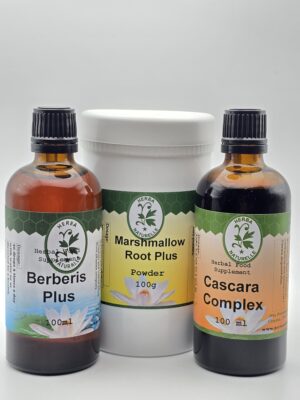 Digestive reset bundle
Original price was: £151.65.£144.95Current price is: £144.95.
Digestive reset bundle
Original price was: £151.65.£144.95Current price is: £144.95.
-
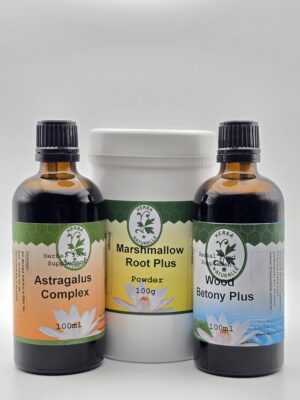 Smooth muscle and immune reset Bundle
Original price was: £177.60.£159.95Current price is: £159.95.
Smooth muscle and immune reset Bundle
Original price was: £177.60.£159.95Current price is: £159.95.
-
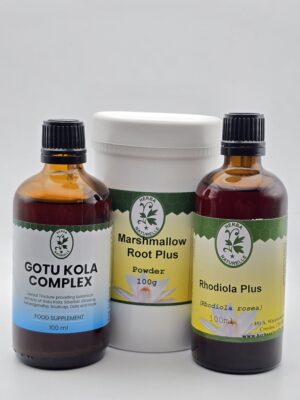 Nervous System Reset
Original price was: £163.68.£149.95Current price is: £149.95.
Nervous System Reset
Original price was: £163.68.£149.95Current price is: £149.95.
-
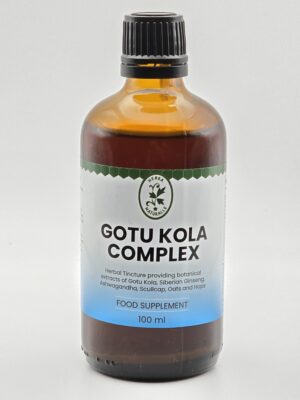 Gotu Kola Complex
£26.95
Gotu Kola Complex
£26.95


About the Author

Holistic Herbalist in UK · 30 Years of Excellence at Croydon, GB
Angela Jegnathan brings over 30 years of experience in integrated medicine and more than 25 years of full-time clinical herbal practice. Specializing in holistic herbal medicine, she focuses on restoring digestive health, calming the nervous system, and supporting the body's natural inflammatory response through evidence-based, patient-centered care.
Expertise: Holistic Herbs, Natural Medicines, Herbal Health
30 years of experience
