American Ginseng (Panax quinquefolius): The Cooling Adaptogen
American Ginseng, Panax quinquefolius, is one of the world’s most celebrated adaptogenic herbs, and one that occupies a distinct and important position in the global herbal materia medica. Though closely related to its more famous cousin Asian or Korean Ginseng (Panax ginseng), American Ginseng has a distinctly different clinical character, one that practitioners of both Western and Traditional Chinese Medicine consistently describe as cooler, calmer, and more suited to the modern presentation of burnout, anxious exhaustion, and depleted vitality than its more stimulating Eastern counterpart.
At Herba Naturalle, adaptogens are understood as herbs that support the body’s capacity to maintain equilibrium under stress, not by suppressing the stress response, but by modulating it, improving the body’s physiological resilience across multiple organ systems simultaneously. American Ginseng is a prime example of this class of action.
Botanical Identity
Panax quinquefolius is a slow-growing perennial plant native to the deciduous woodlands of eastern North America. It produces distinctive palmate compound leaves (typically with five leaflets per leaf, hence quinquefolius, meaning “five-leaved”), small white-green flower umbels, and bright red berries. The medicinal part is the root, which requires a minimum of four to six years of growth before harvest, a fact that reflects both the plant’s slow accumulation of active compounds and the importance of sustainable sourcing.
The name Panax comes from the Greek panacea, “all-healing”, reflecting the reverence in which both ginseng species have been held across cultures. In the Herba Naturalle herb index, American Ginseng sits alongside Siberian Ginseng (Eleutherococcus senticosus) and Asian Ginseng (Panax ginseng red), each representing a distinct adaptogenic character.
Key Active Compounds: Ginsenosides
The primary active compounds in all Panax species are ginsenosides, a class of steroidal saponins unique to the genus. American Ginseng contains a distinct profile of ginsenosides compared to Asian Ginseng, with higher concentrations of Rb1 and a lower ratio of stimulating Rg-type ginsenosides to calming Rb-type ginsenosides. This ratio difference is the biochemical basis for American Ginseng’s cooler, less stimulating clinical character.
Additional active constituents include polysaccharides (with significant immune-modulating activity), polyacetylenes, phytosterols, and peptidoglycans. The overall phytochemical complexity, hundreds of compounds working synergistically, is characteristic of the whole plant medicine approach at the core of herbal medicine philosophy.
Clinical Differences Between American and Asian Ginseng
Understanding the distinction between American and Asian Ginseng is clinically important:
| American Ginseng | Asian/Korean Ginseng | |
|---|---|---|
| TCM character | Yin-tonifying, cooling | Yang-tonifying, warming |
| Energy | Calm, sustained | Stimulating |
| Best suited to | Burned-out, anxious, hot constitutions | Cold, depleted, low-energy constitutions |
| Blood sugar | Reduces post-prandial glucose | Similar effect |
| Immune function | Significant evidence | Significant evidence |
Evidence-Based Applications
Stress and adaptogenic support: American Ginseng’s ginsenoside profile modulates the HPA (hypothalamic-pituitary-adrenal) axis, the central stress response system. Clinical studies demonstrate improvements in perceived stress, cognitive performance, and psychological wellbeing in people under sustained stress. This makes it particularly appropriate for the type of chronic stress so prevalent in modern British life, where the issue is not acute stress but unrelenting, low-grade activation.
Cognitive function and fatigue: Multiple clinical trials have demonstrated improvements in mental performance, working memory, and reaction time with American Ginseng supplementation. This is particularly relevant in fatigue states characterised by mental fog, poor concentration, and cognitive depletion. In this context, American Ginseng complements the adaptogenic work of herbs like Rhodiola (used in the Nervous System Reset Bundle) and Gotu Kola (in the Gotu Kola Complex).
Blood glucose regulation: American Ginseng is one of the most researched herbal interventions for blood glucose management. Multiple randomised trials have demonstrated that it reduces post-meal blood glucose rises in both type 2 diabetics and non-diabetic individuals. The mechanism involves slowing glucose absorption in the intestine and improving insulin sensitivity at the cellular level.
Immune function: The polysaccharide fraction of American Ginseng has documented immune-modulating effects, including stimulation of natural killer cell activity, macrophage activation, and interferon production. Studies have shown reductions in the incidence and duration of upper respiratory tract infections with regular American Ginseng use.
Cancer supportive care: Emerging research suggests that American Ginseng polysaccharides and ginsenosides may support quality of life, reduce cancer-related fatigue, and modulate immune function in people undergoing cancer treatment, though this remains a specialised area requiring professional guidance.
Using American Ginseng in Clinical Practice
American Ginseng is most effective in people who are:
- Experiencing burnout with a “hot” presentation, anxiety, irritability, insomnia alongside exhaustion
- Dealing with cognitive fatigue and mental fog
- Managing blood sugar challenges
- Seeking immune support
- Recovering from prolonged illness or stress
It is less appropriate for those who are simply sluggish, cold, and under-energised without stress or anxiety, for whom the more stimulating Asian Ginseng or Siberian Ginseng may be better suited.
Typical doses: 1–3g of standardised root powder per day; 2–4ml tincture (1:3) three times daily. Allow 8–12 weeks for full adaptogenic benefit.
Safety Considerations
American Ginseng is generally well tolerated. Important considerations:
- Blood-thinning medications (warfarin): Ginsenosides may interact with anticoagulant therapy, monitor INR closely
- Diabetes medication: Given the blood-glucose-lowering effects, concurrent use with diabetes medications requires monitoring to avoid hypoglycaemia
- Oestrogen-sensitive conditions: Mild oestrogenic activity of ginsenosides warrants caution
- Pregnancy and lactation: Insufficient safety data, avoid therapeutic use
- Stimulant sensitivity: Though calmer than Asian Ginseng, some people experience insomnia or irritability at high doses; take in the morning if this is a concern
American Ginseng Within the Herba Naturalle Approach
At Herba Naturalle, American Ginseng is understood as one component in a broader adaptogenic and restorative programme. For people dealing with nervous system depletion and chronic stress, the Gotu Kola Complex, containing Siberian Ginseng alongside Gotu Kola, ashwagandha, and nervous system herbs, provides a similar adaptogenic foundation within a clinically refined formula. The Gokshura Ashwagandha Plus provides targeted male vitality and adaptogenic support.
To explore whether American Ginseng or another adaptogenic approach might be right for your particular presentation, contact Herba Naturalle for a clinical discussion. Browse all adaptogens and other herbal medicines in the Herba Naturalle herb index and explore the full product range.
This article is for informational purposes only. Please consult your GP or a qualified medical herbalist before using herbal medicines.
Our Trending Products & Bundles
-
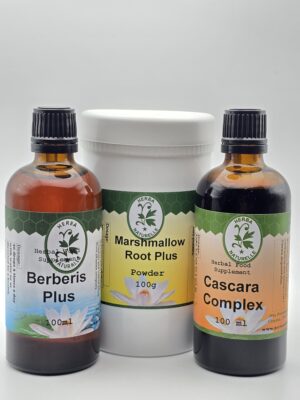 Digestive reset bundle
Original price was: £151.65.£144.95Current price is: £144.95.
Digestive reset bundle
Original price was: £151.65.£144.95Current price is: £144.95.
-
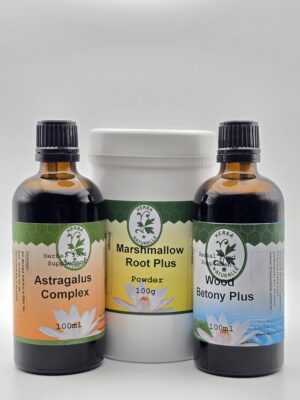 Smooth muscle and immune reset Bundle
Original price was: £177.60.£159.95Current price is: £159.95.
Smooth muscle and immune reset Bundle
Original price was: £177.60.£159.95Current price is: £159.95.
-
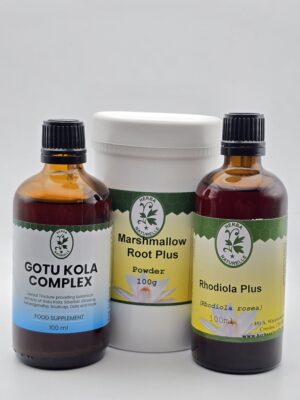 Nervous System Reset
Original price was: £163.68.£149.95Current price is: £149.95.
Nervous System Reset
Original price was: £163.68.£149.95Current price is: £149.95.
-
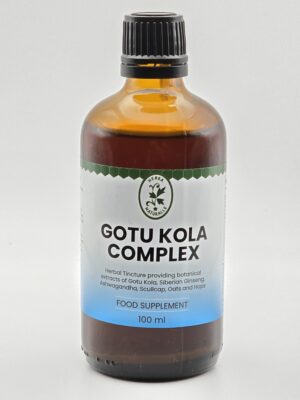 Gotu Kola Complex
£26.95
Gotu Kola Complex
£26.95